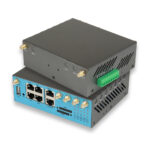
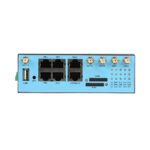
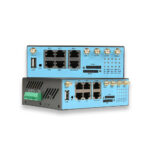
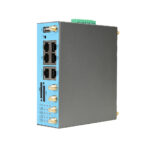
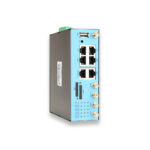
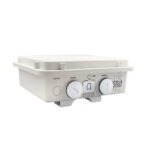
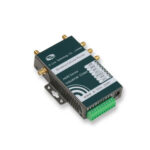
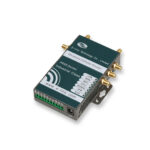
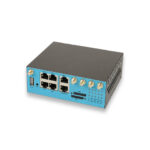
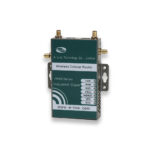
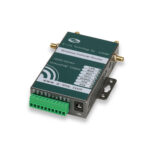
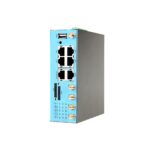

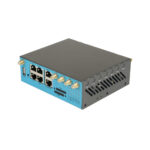
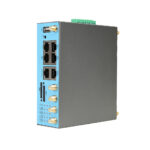
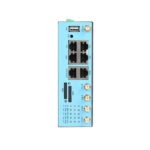
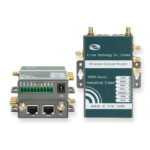
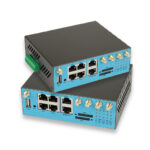
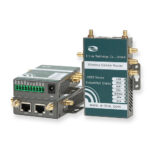
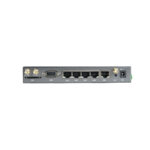
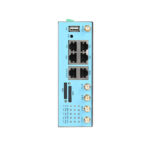
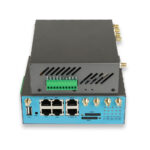
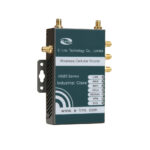
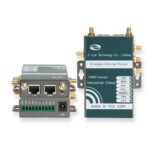
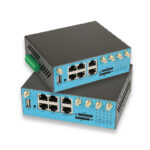
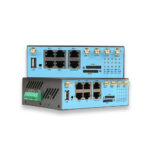
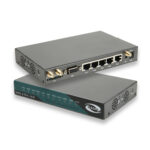
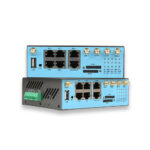
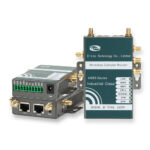
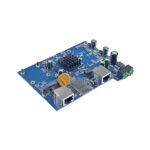
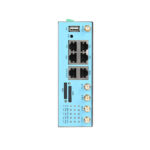
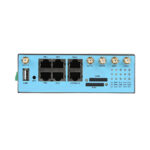
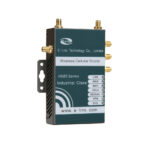
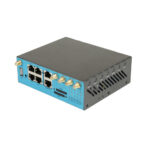
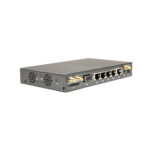
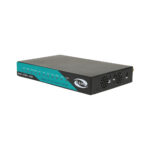
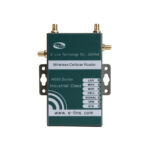
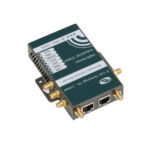
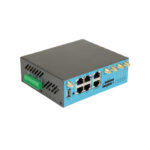
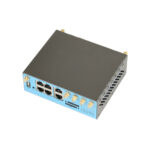
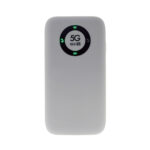
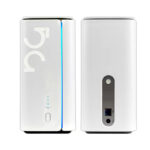
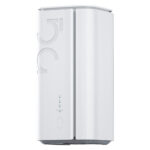
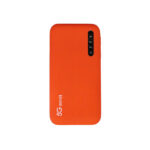
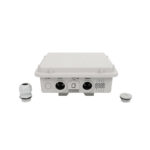
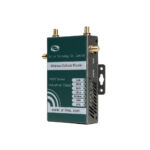
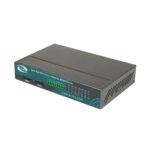
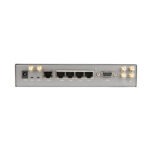
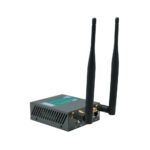
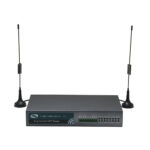
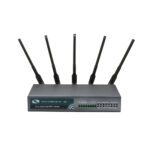
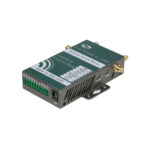
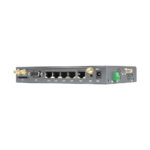
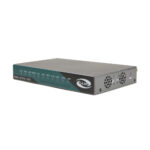
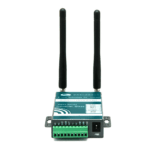
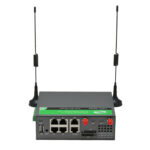
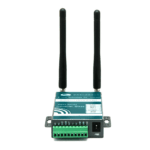
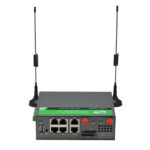
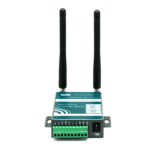
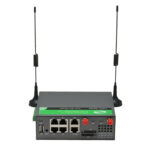
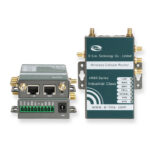
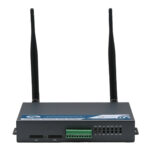
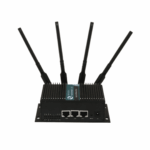
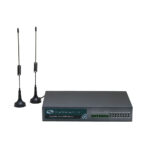
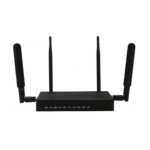
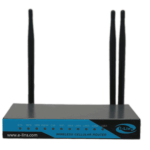
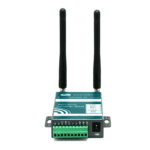
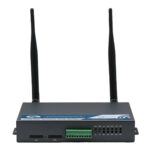
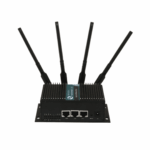
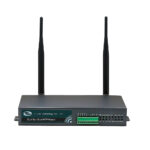
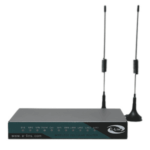
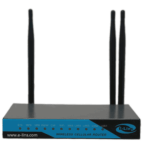
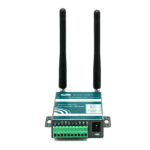
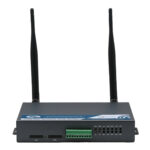
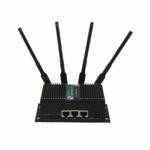
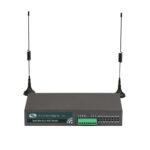
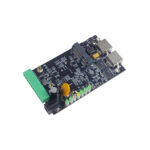
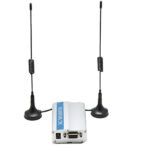
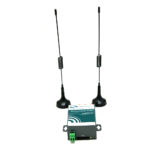
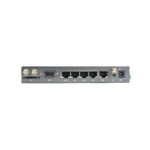
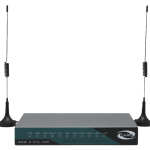
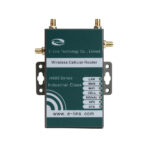
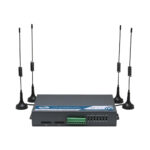
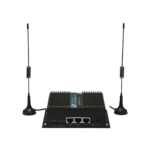
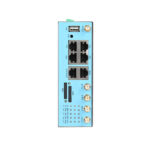
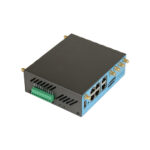
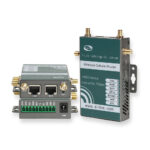
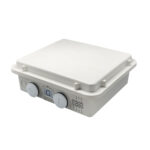
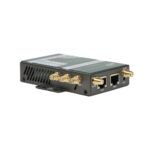
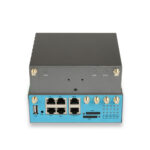
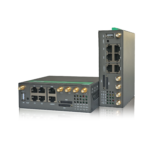
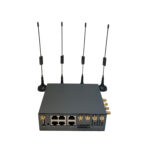
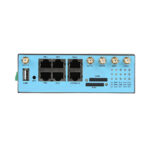
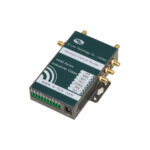
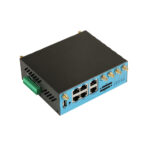
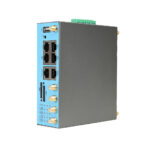
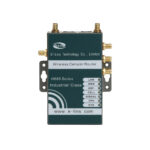
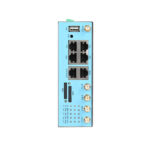




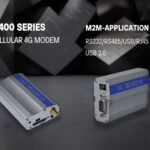
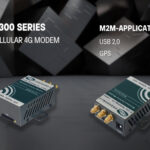
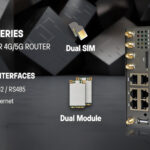

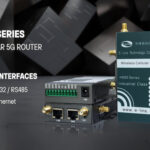

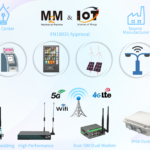

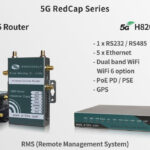


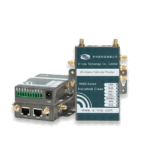
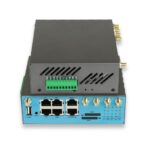


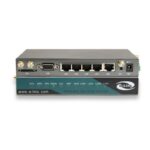











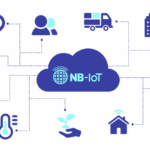


Running an Ethernet cable to a sensor on a moving vehicle or a monitoring station in a desert is impossible. For decades, this simple fact limited the scope of remote monitoring and control. The advent of robust cellular connectivity, harnessed through industrial cellular routers, has shattered these limitations. These devices are the gateways to a wire-free world, enabling real-time data acquisition from assets anywhere there is a cellular signal. This blog dives deep into how industrial cellular routers are revolutionizing sectors like transportation, agriculture, and utilities.
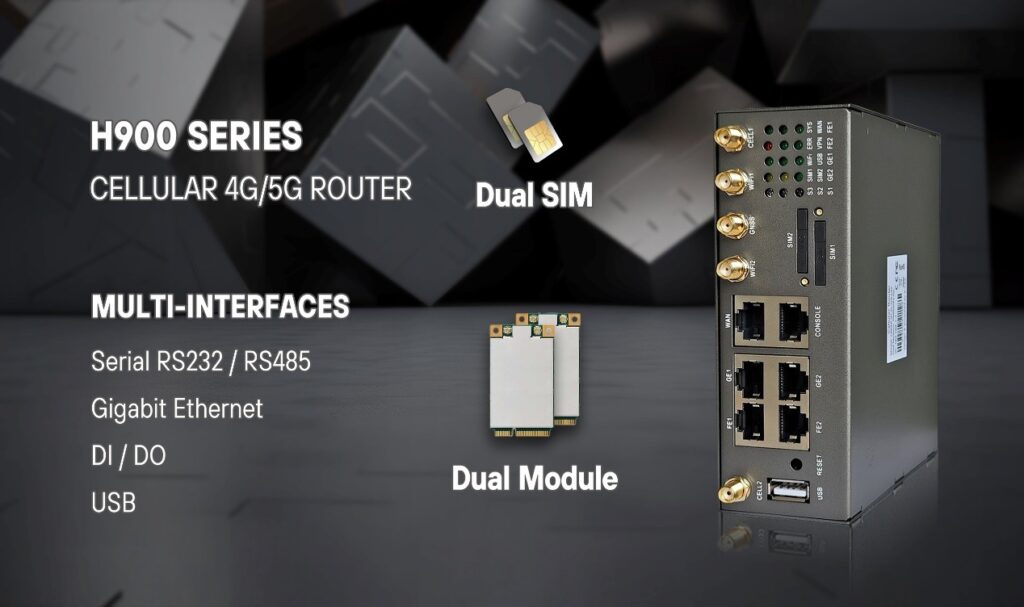
1)The Engine of Mobility and Remote Operations
The primary advantage of a cellular router is its independence from physical infrastructure. This unlocks two powerful application categories: Mobile Assets and Fixed Remote Assets.
Mobile Applications:
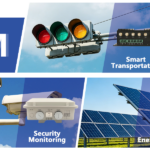
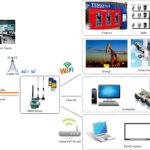
Public Transportation: Provide passenger Wi-Fi, enable real-time GPS tracking for schedule adherence, and facilitate live video surveillance for security on buses and trains.
Fleet Management: Monitor vehicle health (telematics), track location, optimize routes in real-time, and ensure driver safety.
Emergency & First Responder Vehicles: Create a mobile command center with a secure, reliable internet connection for data and voice communications on the go.
Fixed Remote Applications:
Agriculture: Monitor soil moisture, control irrigation systems, and track livestock across vast farms without any wired internet options.
Utilities: Remotely monitor substations, water tanks, and pipeline pressure points located far from urban centers.
Environmental Monitoring: Track air quality, water levels, and seismic activity in protected or inaccessible natural areas.
2)Key Features to Look For in an Industrial Cellular Router
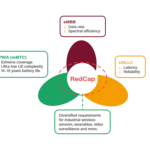
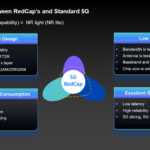
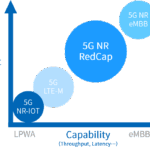
1. Network Technology: From 4G LTE to 5G
The choice of cellular technology dictates speed and latency.
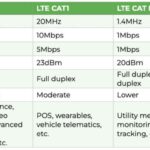
4G LTE-Cat 1 to Cat 4: Excellent for most IIoT applications, offering a great balance of bandwidth, coverage, and cost. Ideal for sensor data, SCADA, and basic video.
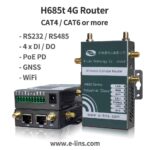
4G LTE-Cat 6 and above (LTE-Advanced): Provides higher bandwidth for data-intensive applications like high-resolution video streaming from multiple cameras.
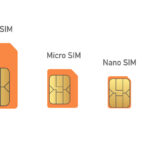
2. SIM Management and Global Compatibility
For companies with global deployments, managing dozens of SIM cards from different carriers is a headache. Look for routers that support:
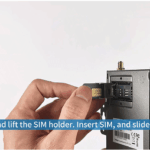
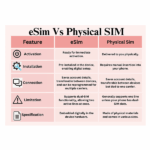
Embedded Universal Integrated Circuit Card (eUICC): This technology allows you to remotely provision and switch mobile network operators (MNOs) over the air. A single SKU router can be deployed anywhere in the world, and its cellular provider can be set via software.
Multi-Operator Profiles: Some routers can store multiple carrier profiles and automatically select the one with the strongest signal.
3. GNSS for Precise Location Tracking
Beyond data connectivity, many industrial cellular routers come with integrated Global Navigation Satellite System (GNSS) receivers (GPS, GLONASS, BeiDou). This is crucial for mobile assets, providing precise location, speed, and heading data. This enables advanced fleet management, geofencing, and theft recovery.
4. Power Efficiency for Off-Grid Sites
Many remote sites are powered by solar panels or batteries. Industrial routers designed for these applications are highly power-efficient, often featuring sleep modes and scheduling capabilities to conserve energy and ensure long-term operation without a fixed power grid.
Real-World Use Case: Smart City Parking
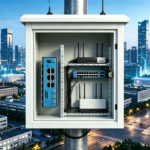
A city deploys smart sensors in parking spots. Each sensor communicates with a central industrial router installed on a light pole. The router aggregates this data and uses its cellular connection to send real-time parking availability to a cloud server. Drivers can then see open spots on a mobile app, reducing traffic congestion and emissions. The router operates reliably outdoors, through all weather conditions, and without the need for expensive trenching to run fiber optic cables.
Conclusion
Cellular connectivity, delivered through a rugged industrial router, is the key to untethering your IoT projects from the constraints of physical wires. It provides the flexibility, reliability, and coverage needed to gather data from the most challenging and dynamic locations. By choosing a router with the right cellular technology, SIM management, and features like GNSS, you can build a future-proof network that drives efficiency and unlocks new possibilities for your business.
There are many manufacturers in the market, which one will be the best choice for IoT cases? I recommend you choose E-Lins, a router expert since 2005, leading the 4G router manufacturer and 5G router manufacturer.