






















1)What is MQTT?
MQTT is a lightweight, publish-subscribe network protocol designed for constrained devices and low-bandwidth, high-latency, or unreliable networks. It is ideal for Internet of Things (IoT) and Machine-to-Machine (M2M) communication.
2)How MQTT Works?
An unsecured MQTT broker is an open door to disaster. Imagine an attacker injecting fake “door unlock” messages, eavesdropping on sensitive industrial data, or flooding your broker to cause a denial-of-service. As MQTT connects the physical and digital worlds, its security is paramount. Let’s build a defense-in-depth strategy, layer by layer.
Layer 1: Transport Security (TLS/SSL)
The first and non-negotiable layer is encrypting the communication channel. Running raw MQTT over TCP (port 1883) exposes all data on the network. Always use MQTT over TLS (port 8883).
- Encryption: TLS ensures that all data between client and broker is encrypted, preventing eavesdropping.
- Server Authentication: The client validates the broker’s certificate, ensuring it connects to the legitimate broker and not a “man-in-the-middle.”
- Client Authentication (Optional): The broker can also validate the client’s certificate, providing a strong form of device identity.
Layer 2: Client Authentication – Proving Identity
Before a client can do anything, it must prove who it is. MQTT brokers support several methods:
- Username/Password: The simplest method, sent (over TLS!) in the CONNECT packet. Use strong, unique credentials per device or group.
- Client Certificates (X.509): The gold standard for device identity. Each device has a unique cryptographic certificate. Authentication happens during the TLS handshake, making it very secure and efficient. Ideal for large fleets.
- Token-Based (e.g., JWT): Modern brokers can integrate with OAuth 2.0, where a client connects with a short-lived JSON Web Token (JWT) issued by an authentication server. Excellent for integrating with cloud identity systems.
Layer 3: Authorization (ACLs) – Defining Permissions
Authentication answers “Who are you?”. Authorization answers “What are you allowed to do?”. This is managed through Access Control Lists (ACLs).
- Topic-Level Granularity: ACLs define rules like:
- Client “sensor_01” can PUBLISH to “data/sensor01/temp”.
- Client “dashboard_app” can SUBSCRIBE to “data/+/+”.
- Client “controller” can SUBSCRIBE and PUBLISH to “command/zone1”.
- Principle of Least Privilege: A device should only have permissions for the exact topics it needs—nothing more. A temperature sensor shouldn’t be able to publish to a system/reboot topic.
Layer 4: Broker Hardening & Network Security
- Firewall Rules: Restrict access to the broker’s ports (8883) only from trusted networks or VPNs.
- Regular Updates: Keep your broker software patched against vulnerabilities.
- Disable Anonymous Access: Most brokers allow anonymous connections by default for testing. Disable this in production.
Putting It All Together: A Secure Deployment Blueprint
- For a Smart Factory: Use client certificates for all PLCs and robots (strong identity), TLS for encryption, and strict ACLs to isolate each production line’s topics.
- For a Consumer Cloud Service: Use TLS, username/password or JWTs for app/users, and broker-level security groups to isolate customers from each other.
Security is not a feature; it’s the foundation. By systematically implementing transport encryption, strong authentication, and granular authorization, you transform your MQTT infrastructure from a vulnerable pipeline into a secure, trusted nervous system for your IoT ecosystem.
3)FAQ For MQTT
1)How does the MQTT publish/subscribe model work?
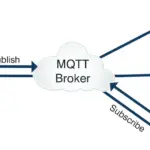
Instead of communicating directly with a device, clients (publishers or subscribers) connect to a central broker. Publishers send messages to specific topics, and subscribers receive messages from topics they are interested in. The broker handles all message routing.
2)What is an MQTT Broker?
The broker is the server that receives all messages from publishers, filters them, determines which subscribed clients are interested, and then forwards the messages to those subscribers. Examples include Mosquitto, HiveMQ, and EMQX.
3)What are MQTT Topics?
Topics are UTF-8 strings that act as addresses for message routing. They are structured hierarchically with forward slashes (/) as separators (e.g., home/livingroom/temperature). Subscribers can use wildcards (+ for a single level, # for multiple levels) to subscribe to multiple topics.
4)What are MQTT QoS Levels and why are they important?
Quality of Service (QoS) defines the guarantee of delivery for a message. There are three levels:
QoS 0 (At most once): Fastest, no guarantee (“fire and forget”).
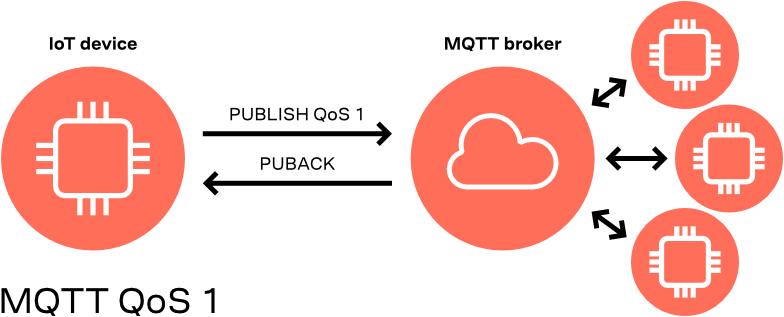
QoS 1 (At least once): Guarantees delivery, but duplicates may occur (acknowledged delivery).
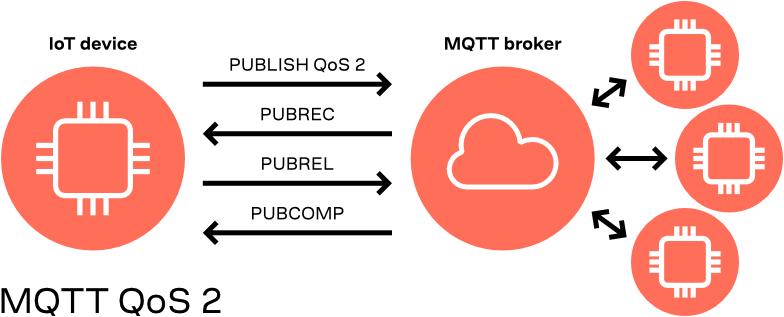
QoS 2 (Exactly once): Highest assurance, guarantees delivery exactly once (most overhead).
5)What is the “Last Will and Testament (LWT)” feature?
LWT is a message configured by a client during connection. If the client disconnects ungracefully (e.g., due to network failure), the broker will automatically publish this predefined message to a specified topic, alerting other clients of the abnormal disconnection.
6)What is MQTT-SN (MQTT for Sensor Networks)?
MQTT-SN is a variation of the protocol designed specifically for wireless sensor networks (WSN) with non-TCP/IP communication links (e.g., ZigBee). It addresses constraints like shorter message lengths and uses a gateway to bridge to a standard MQTT broker.
7)Is MQTT secure?
The core MQTT protocol itself does not provide encryption or strong authentication. Security is achieved by:
Running MQTT over TLS/SSL (often called MQTTS) to encrypt the connection.
Using client IDs, usernames, and passwords for authentication.
Implementing authorization at the broker level to control client access to topics.
8)What is the difference between MQTT and HTTP for IoT?
MQTT is event-driven, uses a persistent connection (reducing overhead), and allows efficient many-to-many communication via the broker. HTTP is request-response based, requires a new connection for each request, and is better suited for client-server web interactions. MQTT is generally more efficient for frequent small messages from many devices.
9)What are some common use cases for MQTT?
MQTT is used in scenarios requiring efficient, real-time data exchange with many remote devices. Common examples include:
Smart home automation and sensor data.
Industrial telemetry and SCADA systems.
Asset tracking and logistics.
Connected vehicles and fleet management.
Mobile push notifications and chat applications.
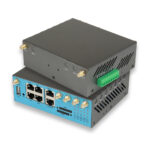
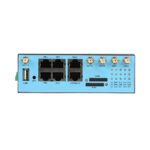
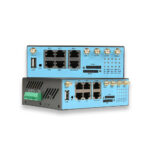
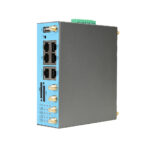
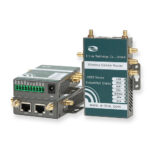
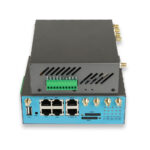
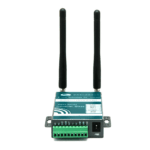
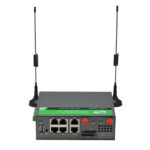
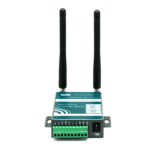
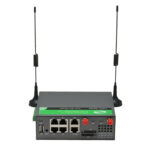
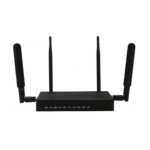
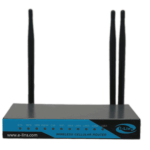
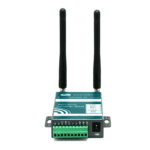
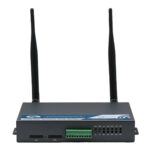
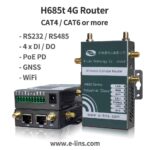
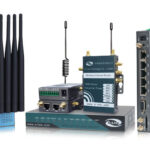
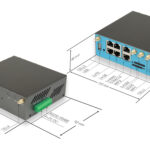
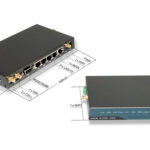
If you are sourcing a 4G & 5G Router with MQTT, you can consider China best 4G Router & 5G Router Manufacturer.