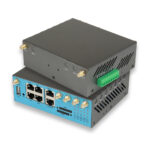
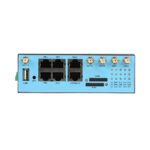
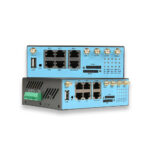
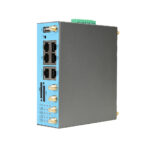
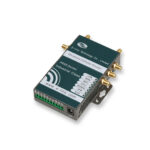
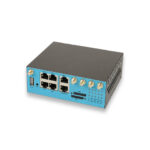
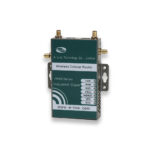
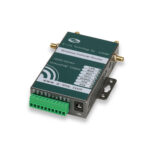
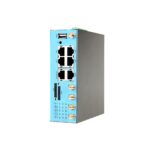

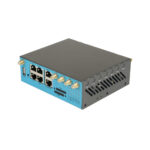
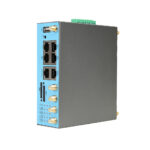
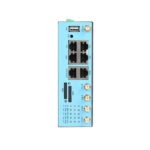
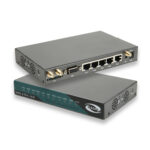
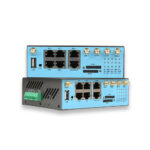
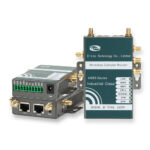
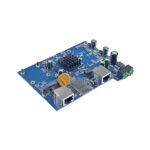
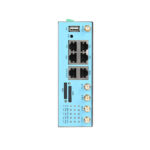
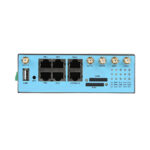
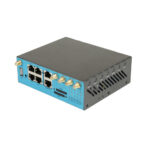
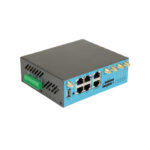
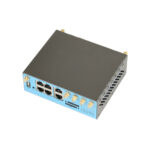
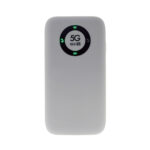
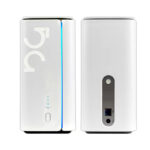
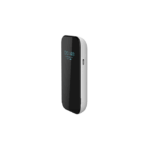
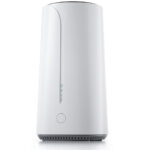

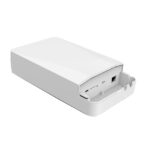
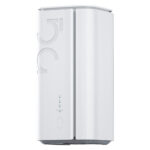

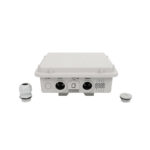
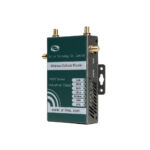
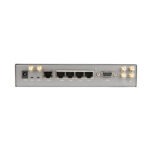
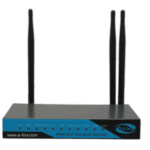
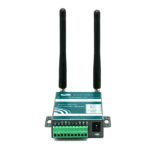
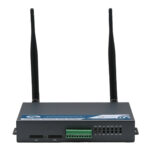
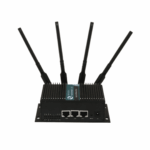
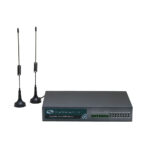
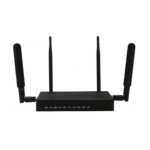
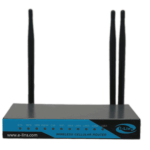
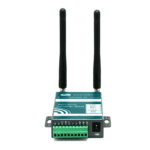
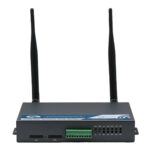
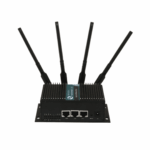
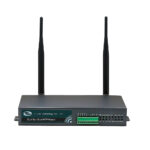
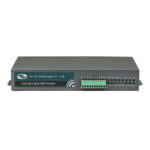
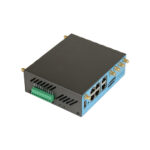
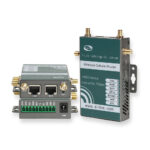
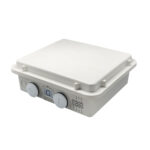
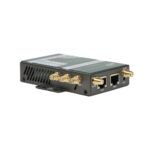
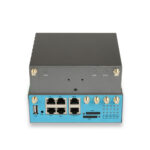
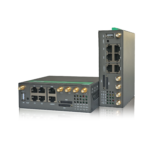
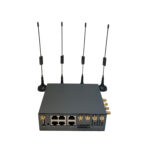





















In today’s digital-first world, enterprise connectivity is no longer just about linking branch offices to headquarters. It is about enabling real-time collaboration, cloud applications, IoT deployments, remote work, and seamless customer experiences. Traditional WAN architectures, which relied heavily on MPLS circuits, are increasingly unable to keep up with modern business requirements. This is where SD-WAN, combined with 5G Router technology, is redefining the future of networking.

The Limitations of Traditional WAN
For years, enterprises relied on MPLS networks for secure and reliable connectivity. While MPLS provides stability and predictable performance, it comes with several limitations:
- High operational costs
- Long provisioning times
- Limited flexibility
- Poor optimization for cloud traffic
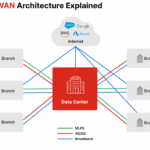
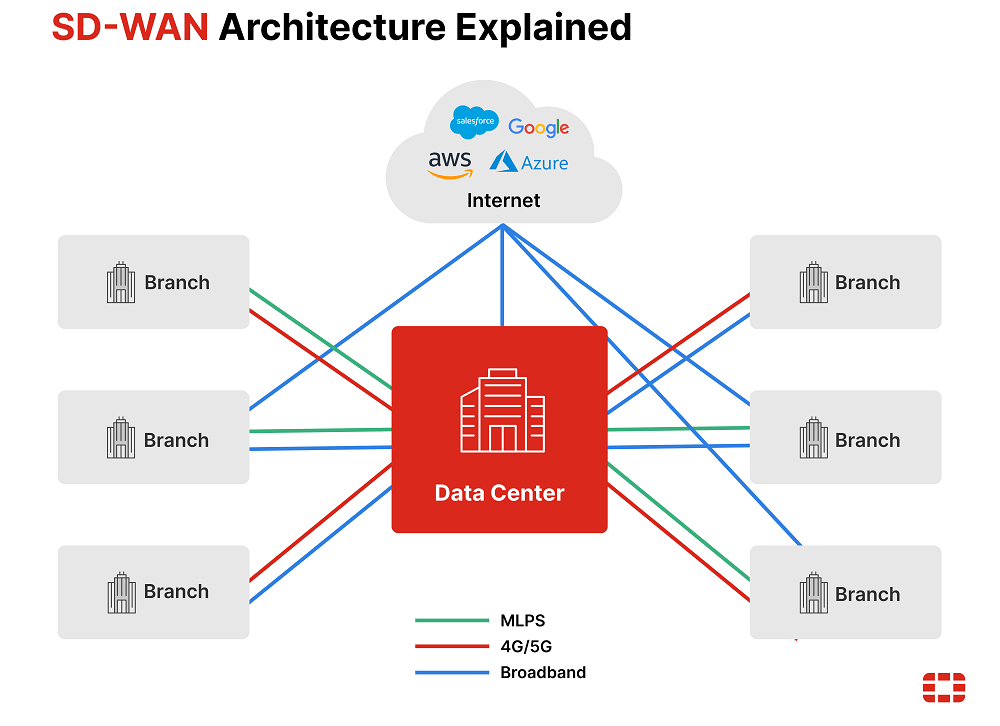
As businesses adopt SaaS platforms like Microsoft 365, Salesforce, and cloud infrastructures such as AWS and Azure, routing all traffic back to a centralized data center creates latency and performance bottlenecks. This centralized model simply cannot support the distributed nature of modern enterprises.
What Is SD-WAN?
SD-WAN (Software-Defined Wide Area Network) is a software-based approach to managing and optimizing wide area networks. It decouples network control from hardware, allowing centralized orchestration and intelligent traffic routing across multiple connection types, including broadband, MPLS, LTE, and 5G.
Key benefits of SD-WAN include:
- Centralized management
- Application-aware routing
- Dynamic path selection
- Improved bandwidth utilization
- Enhanced security integration
- Reduced WAN costs
By intelligently steering traffic based on application priority and network conditions, SD-WAN ensures optimal performance for mission-critical applications.
The Role of 5G Routers in SD-WAN Deployments
A 5G Router plays a critical role in SD-WAN environments, especially for:
- Branch office backup connectivity
- Rapid site deployment
- Temporary or mobile offices
- Remote or rural locations
5G LTE networks are widely available and offer reliable bandwidth suitable for most enterprise applications. When integrated into an SD-WAN architecture, a 5G Router can act as:
- Failover Connectivity
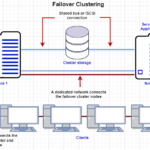
If the primary wired link fails, SD-WAN automatically redirects traffic to the 5G Router without disrupting operations. - Primary WAN in Remote Locations
In areas where fiber or broadband is unavailable, a 5G Router can serve as the primary WAN connection. - Out-of-Band Management
IT teams can use 5G connections for remote troubleshooting even if the main network is down.
By combining SD-WAN intelligence with LTE mobility, enterprises gain resilience and flexibility that traditional WAN cannot offer.
Enter 5G: A Game Changer for SD-WAN
While 4G provides reliable connectivity, the arrival of 5G Router technology is accelerating digital transformation even further.
5G introduces:
- Ultra-low latency
- Higher bandwidth
- Massive device connectivity
- Network slicing capabilities
A 5G Router integrated with SD-WAN unlocks new possibilities:
1. Fiber-Like Performance Without Fiber
5G can deliver multi-gigabit speeds, making it viable as a primary WAN link. Enterprises can deploy branches quickly without waiting weeks or months for fiber installation.
2. High-Density IoT Deployments
Manufacturing plants, logistics hubs, and smart cities can connect thousands of devices through a 5G Router managed by SD-WAN.
3. Mobile and Pop-Up Networks
Retail pop-ups, events, and field operations benefit from rapid deployment and high-speed connectivity via 5G.
4. Enhanced Edge Computing
With lower latency, 5G Routers support edge computing applications such as real-time video analytics and autonomous systems.
SD-WAN + 5G Router: A Hybrid WAN Strategy
Modern enterprises are increasingly adopting hybrid WAN architectures. Instead of relying on a single connectivity type, they combine:
- MPLS
- Broadband
- 5G Router
SD-WAN acts as the intelligent control layer across all these links.
Dynamic Path Selection
SD-WAN continuously monitors network performance (latency, jitter, packet loss) and automatically selects the best path. For example:
- Video conferencing traffic may prefer fiber or 5G.
- POS systems may use broadband.
- Backup traffic may use 4G.
Cost Optimization
Organizations can reduce expensive MPLS circuits and rely more on cost-effective broadband and cellular connections.
Business Continuity
With multiple transport options, network downtime becomes significantly less likely.
Security in Cellular-Enabled SD-WAN
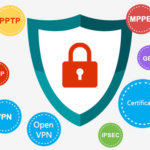
Security remains a top concern. Fortunately, modern SD-WAN solutions integrate:
- End-to-end encryption
- Secure VPN tunnels
- Firewall functionality
- Zero Trust Network Access (ZTNA)
- Intrusion detection and prevention
When using a 5G Router, encrypted tunnels ensure data is protected across public cellular networks.
Additionally, centralized policy management ensures consistent security rules across all branches.

Industry Use Cases
Retail
Retail chains use SD-WAN with 5G Router backup to ensure POS systems never go offline. 5G Routers support in-store analytics and digital signage.
Healthcare
Clinics and mobile health units rely on 5G Routers for high-speed, secure data transmission. SD-WAN ensures HIPAA-compliant connectivity.
Manufacturing
Factories leverage 5G Routers for industrial IoT devices while SD-WAN prioritizes critical operational traffic.
Transportation & Logistics
Fleet vehicles and remote depots use 5G Router connectivity for real-time tracking and communication.
Deployment Considerations
When implementing SD-WAN with cellular routers, enterprises should consider:
- Carrier coverage and signal strength
- Data plan costs
- Hardware compatibility
- Security integration
- Scalability requirements
- Centralized orchestration features
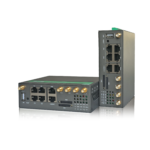
Choosing enterprise-grade 5G Router hardware ensures better performance, reliability, and management capabilities.
The Future of SD-WAN and Cellular Connectivity
As 5G networks expand and 6G research advances, the role of cellular connectivity in enterprise networking will continue to grow.
Trends to watch include:
- AI-driven SD-WAN optimization
- Private 5G networks
- Edge-native architectures
- SASE (Secure Access Service Edge) convergence
- Cloud-managed networking
The combination of SD-WAN, 5G Router technologies is creating a more agile, resilient, and intelligent network infrastructure.
Popular FAQs for SD-WAN
1. What is SD-WAN?
SD-WAN (Software-Defined Wide Area Network) is a virtual WAN architecture that allows enterprises to use multiple connection types—such as broadband, MPLS, and 5G Router links—to securely connect users to applications. It centralizes network control and dynamically routes traffic based on application performance and business priorities.
2. How does SD-WAN differ from traditional WAN?
Traditional WAN relies heavily on MPLS circuits and static routing. SD-WAN, by contrast, uses software-defined policies to intelligently manage traffic across multiple transport links. It enables direct internet breakout, better cloud performance, and easier integration with 5G Router connectivity for improved flexibility and resilience.
3. Can SD-WAN work with 5G Routers?
Yes. SD-WAN works seamlessly with both 5G Router technologies. Cellular routers can serve as primary or backup connections. SD-WAN monitors link quality and automatically switches traffic to the best-performing connection, ensuring business continuity and optimized application performance.
4. What are the benefits of using a 5G Router in an SD-WAN deployment?
A 5G Router provides:
- Rapid deployment for new branch locations
- Reliable failover during wired link outages
- Connectivity for remote or rural sites
- Out-of-band management access
When integrated with SD-WAN, the 5G Router becomes part of a dynamic, multi-link strategy rather than just a backup connection.
5. Why is a 5G Router important for modern SD-WAN networks?
A 5G Router delivers higher bandwidth and lower latency compared to 4G. In SD-WAN deployments, it can function as a high-performance primary WAN link. This is especially valuable for cloud applications, IoT deployments, smart manufacturing, telemedicine, and edge computing scenarios that require ultra-fast connectivity.
6. Is SD-WAN secure?
Yes. Modern SD-WAN solutions include built-in security features such as:
- End-to-end encryption (IPsec tunnels)
- Integrated firewalls
- Secure segmentation
- Zero Trust Network Access (ZTNA)
- Intrusion detection and prevention
When using public cellular networks through a 5G Router, encrypted overlays ensure secure data transmission.
7. Can SD-WAN reduce network costs?
Yes. SD-WAN reduces reliance on expensive MPLS circuits by leveraging cost-effective broadband, 5G Router connections. It optimizes bandwidth usage and improves operational efficiency through centralized management, lowering both capital and operational expenses.
8. How does SD-WAN improve cloud application performance?
SD-WAN enables direct internet access (local breakout) rather than backhauling traffic through a central data center. It dynamically selects the best available link—such as fiber, broadband, 5G Router—to minimize latency and packet loss, improving performance for SaaS and cloud applications.
9. Is SD-WAN suitable for small and medium-sized businesses?
Absolutely. SD-WAN is scalable and can benefit businesses of all sizes. Small and medium-sized enterprises can use SD-WAN with broadband and 5G Router connectivity for affordable, reliable networking. As the business grows, 5G Router integration can further enhance performance and scalability.
10. What industries benefit most from SD-WAN with 5G Routers?
Industries that benefit significantly include:
- Retail (POS reliability and digital signage)
- Healthcare (secure telemedicine connectivity)
- Manufacturing (IoT and automation support)
- Transportation & logistics (fleet and depot connectivity)
- Financial services (secure, low-latency branch networking)
Conclusion
Enterprise networking is undergoing a massive transformation. Traditional WAN architectures can no longer meet the demands of cloud-first, mobile, and IoT-driven organizations. By integrating SD-WAN with 5G Router technology, businesses gain flexibility, cost efficiency, resilience, and high performance.
Whether for branch connectivity, remote operations, IoT expansion, or cloud optimization, the future belongs to hybrid, software-defined networks powered by intelligent cellular connectivity.
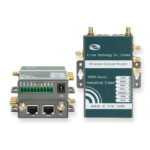
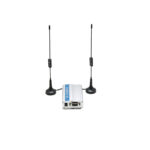
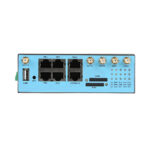
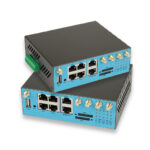
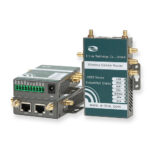
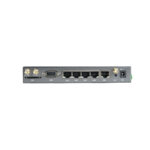
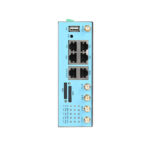
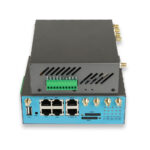
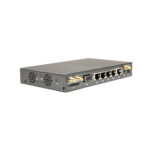
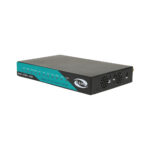
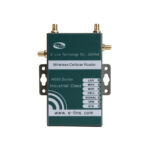
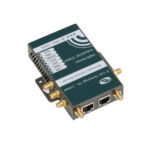
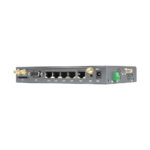
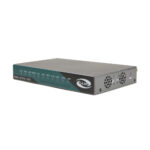
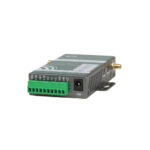
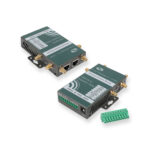
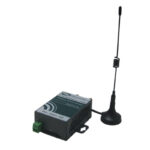
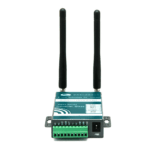
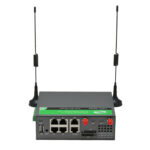
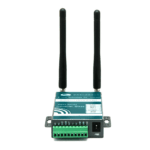
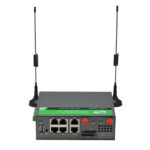
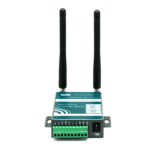
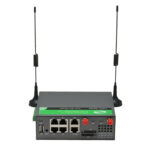
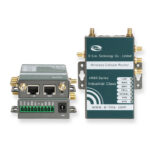
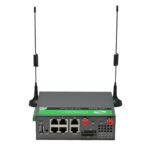
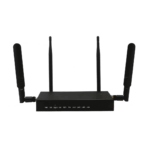
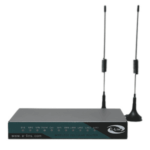
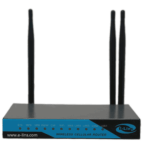
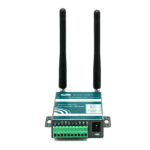
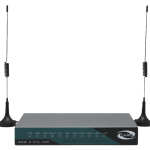
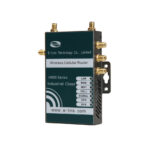
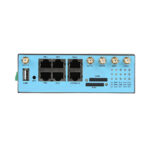
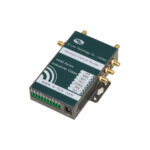
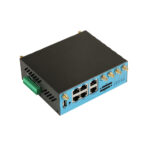
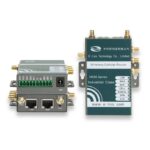
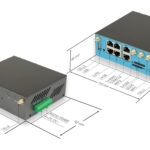
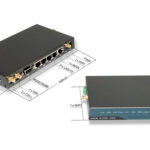
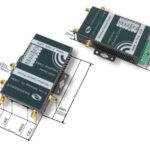
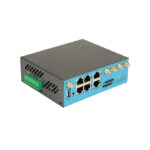
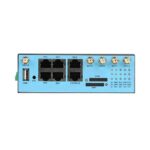
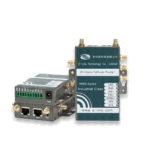
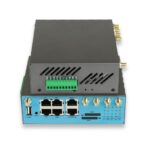
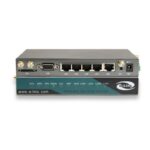
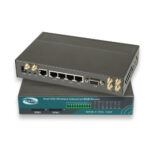
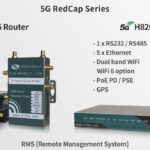
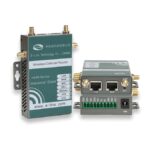
Are you sourcing a 5G Router with SD-WAN? Please take a view of E-Lins, A IoT 5G Router expert since 1999.