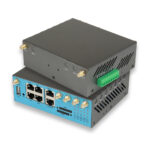
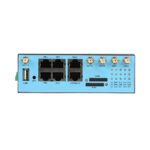
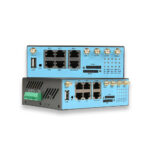
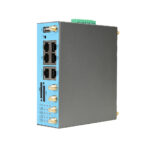
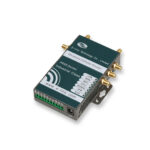
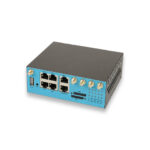
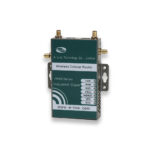
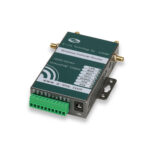
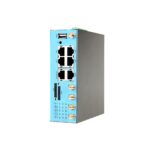

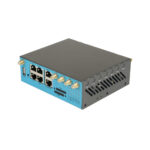
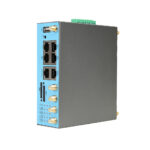
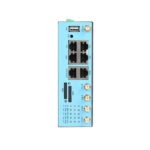
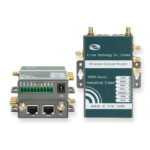
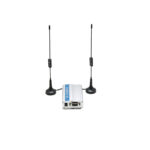
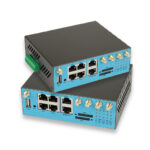
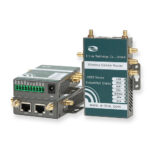
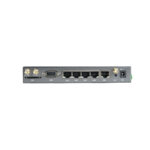
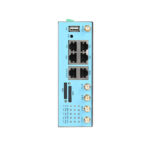
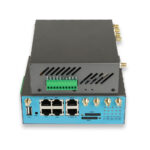
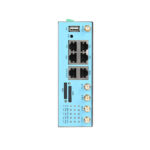
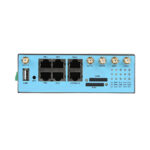
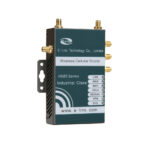
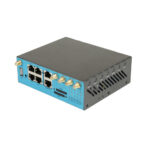



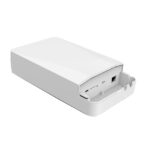


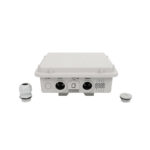
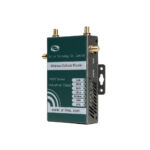
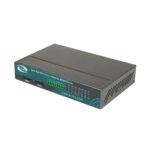
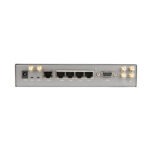
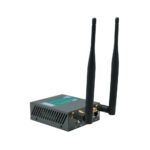
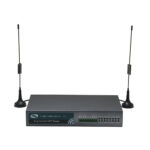
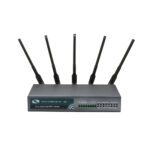
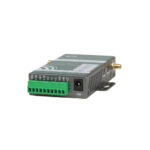
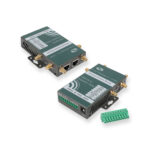
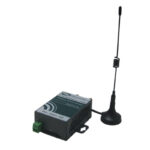
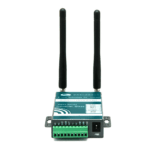

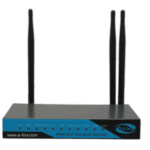
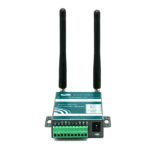
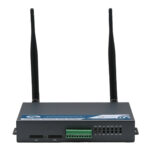
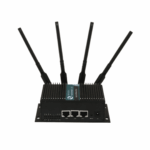
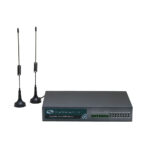

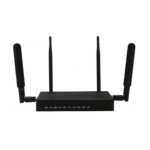
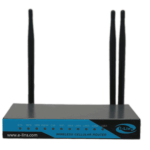
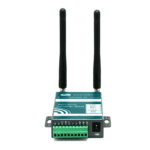

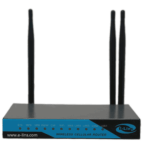
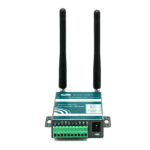
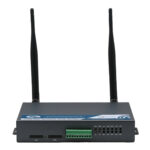
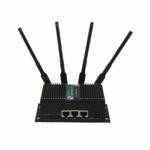
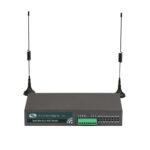
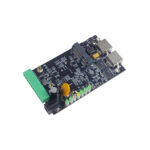
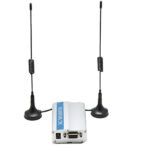
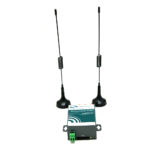
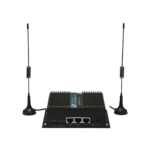
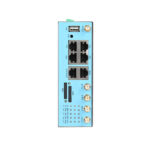
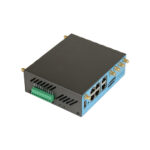
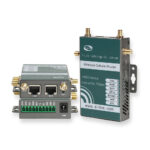
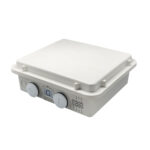
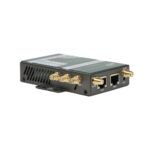
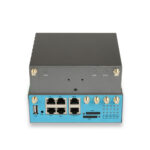
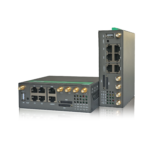
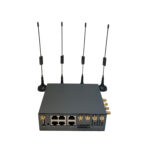
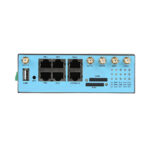
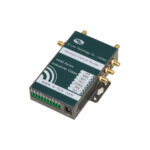
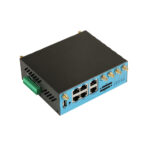
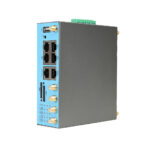
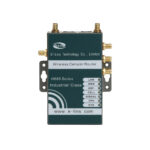
























































With the comprehensive advancement of global IIoT construction and the accelerated withdrawal of traditional 2G and 3G cellular networks, the industrial communication industry is facing a comprehensive equipment upgrading and network transformation. As the most widely used M2M wireless communication terminal, the industrial cellular modem is also undergoing technological iteration from low-speed narrowband to high-speed 5G and low-power LPWA.
Industrial enterprises are no longer only concerned about basic network connectivity, but begin to pay attention to long-term stability, energy consumption control, overall cost optimization, data security and intelligent operation and maintenance capabilities.
This article starts from the technical evolution path of industrial cellular modems, analyzes the advantages and applicable scenarios of different network modules, discusses the industry challenges brought by 2G/3G network phase-out, summarizes the long-term application optimization solutions, and combines industry pain points to answer professional FAQs, providing systematic reference for enterprise long-term communication layout.
1)Technical Evolution Path of Industrial Cellular Modem
The development of industrial cellular modem is completely synchronized with the iteration of cellular communication technology, experiencing four key stages, and each generation of products is tailored to the changing industrial market demand.
1. 2G/3G Low-Speed Modem: The Initial Stage of Industrial Wireless Networking
Early industrial wireless communication mainly relied on 2G GPRS and 3G WCDMA modems, which solved the basic demand of industrial equipment for long-distance data transmission. At that time, the business demand was single, mainly simple meter reading, equipment switch state monitoring and low-frequency data reporting.
The advantages of 2G/3G modems are low price, wide signal coverage and simple configuration; the disadvantages are low transmission rate, high delay, high power consumption and poor anti-interference ability. At present, global operators are gradually shutting down 2G and 3G network services, and a large number of old industrial modems are facing elimination and upgrading, which has become a major pain point in the industry.
2. 4G LTE Modem: The Mainstream Choice of Current Industrial Networking
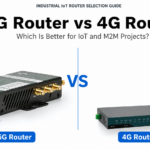
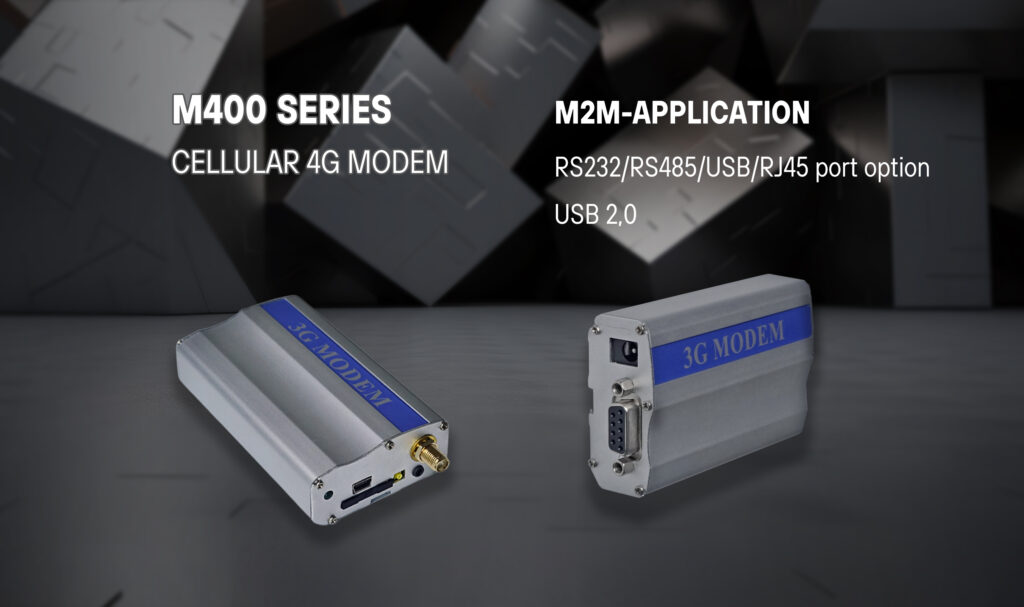
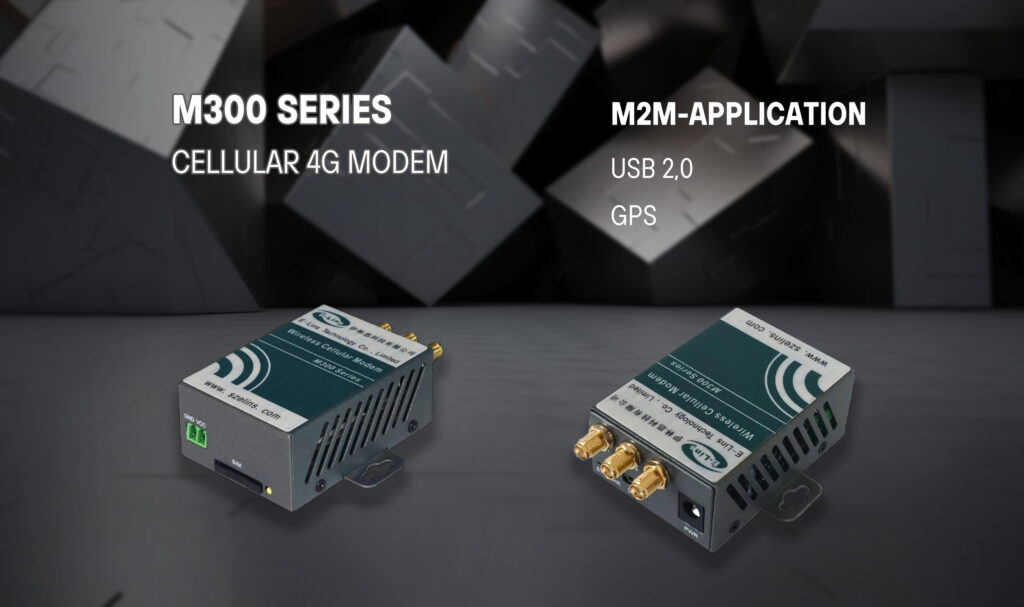
4G LTE industrial cellular modem has become the mainstream product in the market with balanced speed, delay, cost and coverage. It is divided into high-speed Cat.4 and low-speed Cat.1 models: Cat.4 is used for large-data transmission such as pictures and videos, while Cat.1 is more focused on low-power and stable small-data transmission, covering 80% of conventional industrial monitoring scenarios.
4G modems have mature industrial design, complete security encryption protocols and remote management functions, with low later operation and maintenance costs, and are the core transitional and long-term stable networking solution in the next 5-10 years.
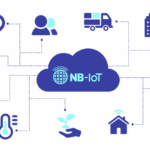
3. LPWA Modem (NB-IoT & Cat-M1): Low-Power Wide-Area Dark Horse
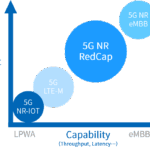
For large-scale low-frequency access scenarios such as smart meters, environmental sensors and wireless alarm equipment, operators have launched NB-IoT and Cat-M1 low-power wide-area communication technologies. Corresponding industrial cellular modems have the characteristics of ultra-low power consumption, ultra-long standby, strong penetration and low traffic cost.
Battery-powered equipment can work continuously for 5-10 years without power replacement, which perfectly makes up for the high power consumption defect of 4G modems in scattered and unattended monitoring scenarios, and is the core carrier of large-scale IoT sensing equipment access.
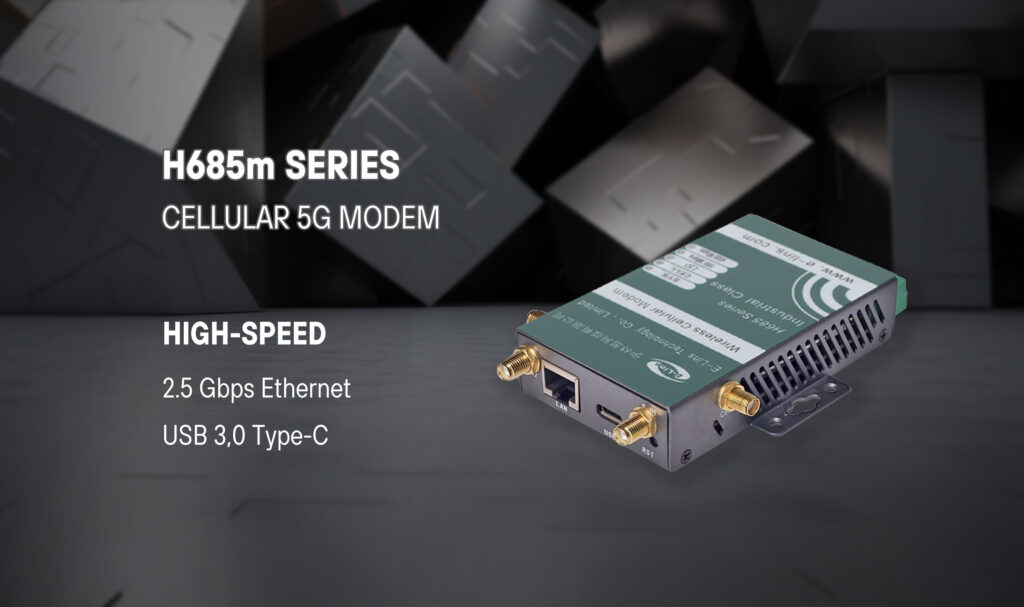
4. 5G Industrial Cellular Modem: The Future Layout of High-End Industrial Scenarios
5G technology brings three major capabilities: high bandwidth, ultra-low delay and massive connection. Industrial 5G cellular modems are oriented to high-end industrial scenarios such as intelligent manufacturing, remote real-time control, industrial AR maintenance and automatic driving of engineering vehicles.
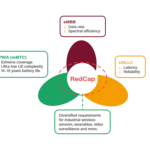
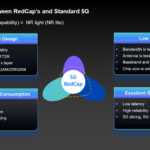
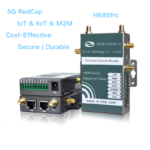
Although the current 5G modem hardware cost and traffic cost are relatively high, with the gradual maturity of 5G RedCap lightweight technology and the expansion of operator industrial private networks, 5G modems will gradually be popularized in medium and large industrial enterprises in the future.
2) Core Challenges Facing the Industrial Cellular Modem Industry
1. Comprehensive Phase-Out of 2G/3G Networks
European and American countries have completed 2G/3G shutdown one after another, and Asian regions are also promoting network withdrawal plans. A large number of traditional factories, water conservancy and municipal public facilities still use 2G old modems. Once the network is shut down, equipment will be completely disconnected, bringing production risks. Accelerating the migration to 4G and LPWA modems has become an urgent task for the industry.
2. Diversified On-Site Environment and Customization Demand
Industrial scenarios are complex and diverse: high temperature and humidity in chemical plants, corrosion in coastal areas, vibration in vehicle-mounted equipment, and explosion-proof requirements in petrochemical industries. Standard modems cannot meet personalized needs, and customized development such as corrosion resistance.
3. Divergent Cost and Performance Demand
Small and medium-sized industrial enterprises pursue low procurement costs, while large industrial groups take stability and data security as the primary goal. It is difficult for a single product model to cover all market demands, resulting in a fragmented industrial cellular modem market and uneven product quality.
4. Higher and Higher Industrial Data Security Requirements
With the deep integration of industrial control networks and wireless networks, industrial equipment faces increasing network attack risks. Traditional simple transparent transmission modems lack encryption and isolation mechanisms, which can no longer meet the current industrial information security management standards.
3) Long-Term Optimization Solutions for Industrial Cellular Modem Application
1. Reasonable Network Upgrade and Smooth Migration
Enterprises with 2G/3G legacy equipment should formulate phased upgrade plans: priority to replace key business equipment with 4G Cat.1 industrial modems with low cost and high stability; for scattered low-power sensing equipment, select NB-IoT modems to reduce energy consumption and traffic costs; reserve 5G interface expansion for intelligent upgrading projects to realize smooth evolution of network equipment.
2. Unified Equipment Management with Cloud Platform
Select industrial cellular modem products supporting unified cloud management, realize centralized online monitoring, remote configuration, fault alarm and traffic statistics of all field equipment, reduce the pressure of manual operation and maintenance, and realize digital and refined management of communication terminals.
3. Build Hierarchical Data Security Protection
According to the confidentiality level of industrial data, build a hierarchical security system: adopt VPN tunnel encryption for core production data, use lightweight MQTT TLS encryption for general monitoring data, turn off unnecessary remote access permissions, and regularly upgrade modem firmware to fix security vulnerabilities.
4. Adopt Hybrid Networking to Improve Stability
For key industrial businesses, adopt hybrid networking solutions of cellular modem + local wired backup or dual-operator SIM card backup. When the cellular network fails, it can automatically switch to the backup link to ensure 7×24 hours uninterrupted communication of key equipment.
4) Development Trend of Industrial Cellular Modem in the Next Few Years
First, low-cost 4G Cat.1 will fully replace 2G/3G and become the universal standard for basic industrial communication;
Second, LPWA low-power modems will be widely popularized in smart cities, environmental protection and utility industries to support massive IoT sensor access;
Third, 5G lightweight RedCap modems will reduce costs and accelerate penetration in the industrial field, matching the digital needs of intelligent factories;
Fourth, edge computing will be integrated into industrial cellular modems, realizing local data filtering and edge analysis to reduce cloud transmission pressure;
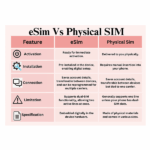
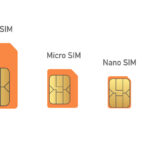
Fifth, eSIM embedded card technology will replace traditional physical SIM cards, realizing remote card opening and operator switching, suitable for large-scale distributed equipment management.
5) Frequently Asked Questions (FAQ)
Q1: How long is the service life of a standard industrial cellular modem?
A: Under normal industrial environmental conditions, the service life of industrial-grade modems can reach 8-10 years, far longer than consumer communication equipment. Adopting industrial-grade capacitors, chips and shell materials, it can resist long-term high and low temperature aging and electromagnetic interference, meeting the long-term unattended operation needs of industrial sites.
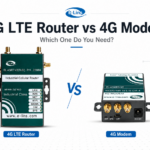
Q2: What is the difference between Cat.1 and Cat.4 industrial cellular modems?
A: Cat.4 has high rate and large bandwidth, suitable for video monitoring, picture uploading and large data transmission; Cat.1 focuses on low power consumption, low delay and stable small data transparent transmission, with lower traffic cost and hardware price, which is the best choice for most industrial automation and remote monitoring scenarios.
Q3: Are NB-IoT industrial modems suitable for mobile equipment?
A: No. NB-IoT has weak mobility and high switching delay, which is only suitable for fixed static equipment such as smart meters and environmental sensors. For mobile equipment such as vehicles and engineering machinery, Cat-M1 or 4G Cat.1 modems with strong mobility are recommended.
Q4: How to reduce the overall application cost of industrial cellular modems?
A: First, select models reasonably according to business needs to avoid over-equipped high-cost 5G or high-speed 4G products; second, use industrial IoT shared traffic cards to reduce single-device traffic costs; third, uniformly select standardized products to reduce later maintenance and spare parts reserve costs; fourth, use low-power modes to reduce power consumption costs all year round.
Q5: Do industrial cellular modems support customized industrial protocols?
A: Regular modems support mainstream standard industrial protocols. For special private protocols customized by enterprises, most manufacturers provide secondary development interfaces and protocol docking services, which can realize personalized protocol parsing and data conversion, meeting the special access needs of special industrial equipment.
Q6: Will 5G completely replace 4G industrial cellular modems in the future?
A: It will not be completely replaced in the next 10 years. 4G technology is mature, low in cost, comprehensive in coverage and stable in operation, and can meet more than 90% of industrial M2M communication needs. 5G is only a supplementary upgrade for high-demand scenarios. The industrial communication market will form a coexistence pattern of 4G + LPWA + 5G for a long time.
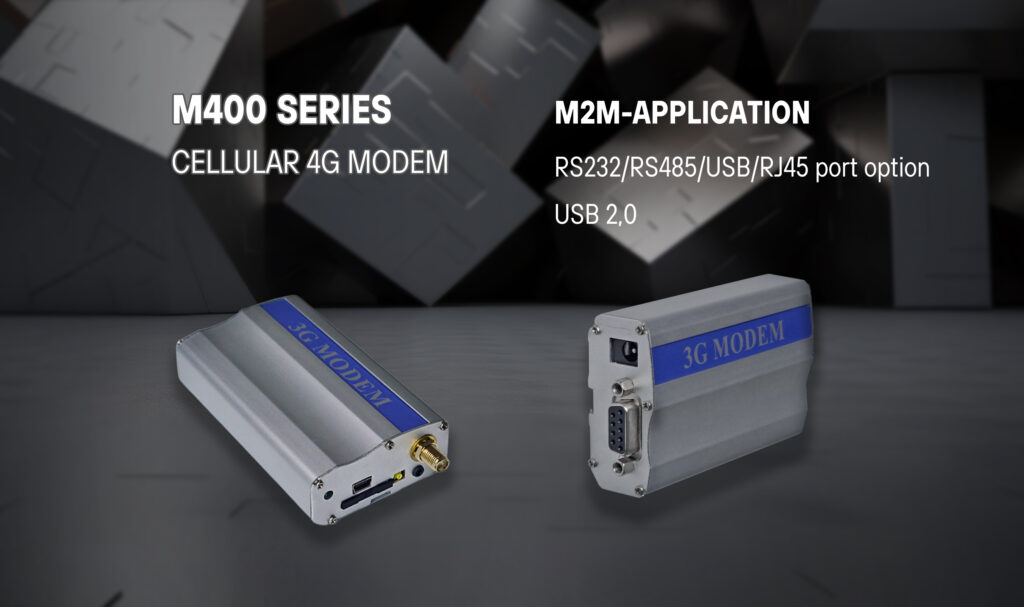
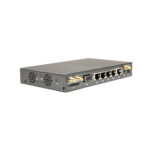
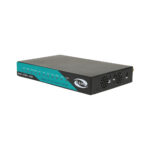
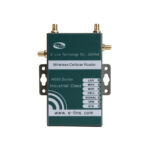
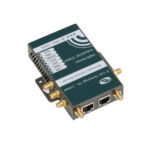
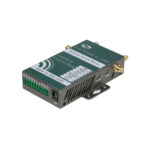
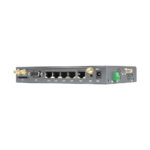
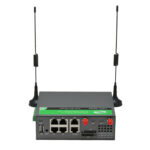
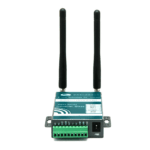
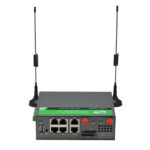
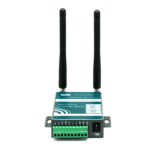
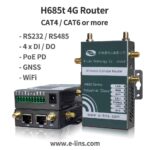
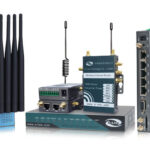
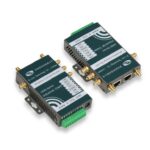
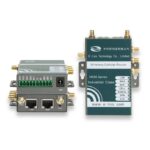
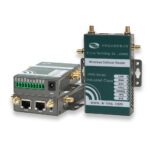
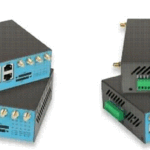
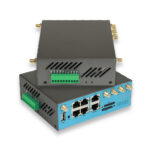
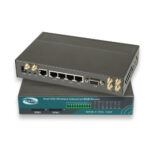
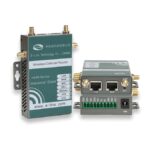
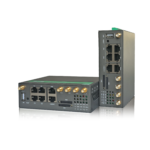
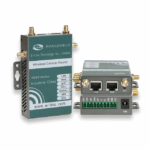
Are you ready to deploy an industrial cellular modem? Take a quick view of E-Lins, a IoT expert providing many excellent industrial cellular modems.