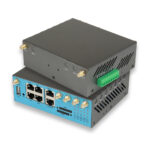
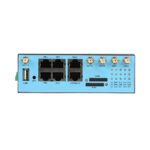
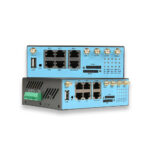
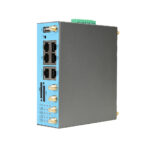

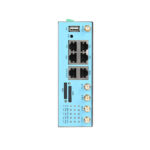
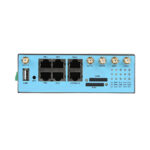
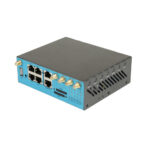
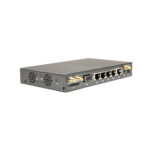
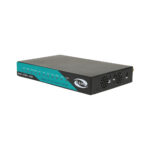
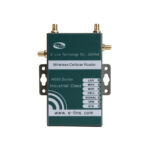
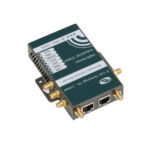
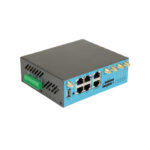
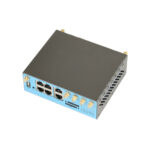

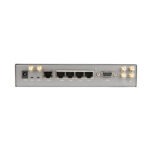
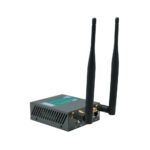
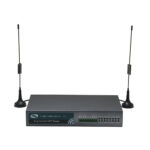
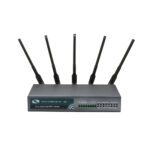
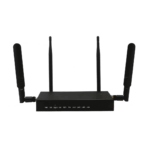
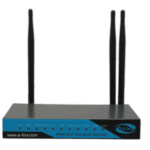
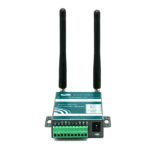
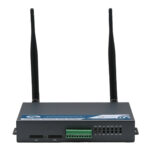
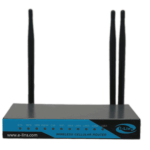
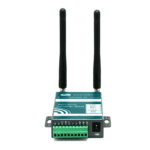
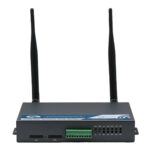
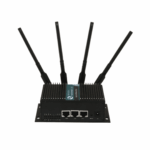
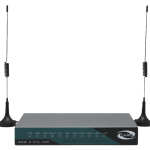
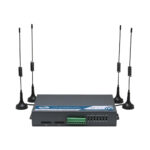
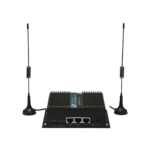
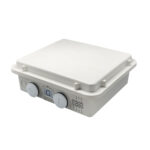
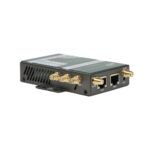
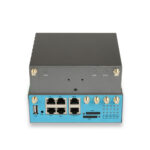
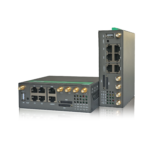
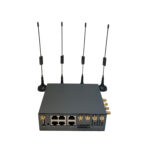
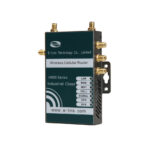
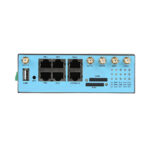
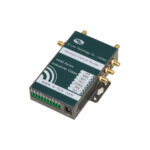
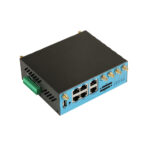
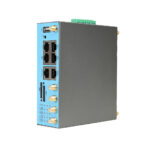
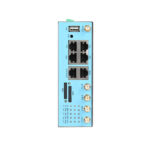




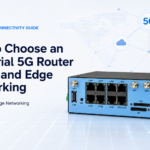
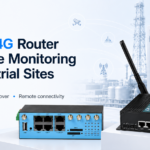

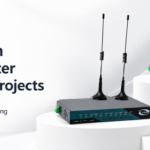







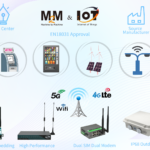



















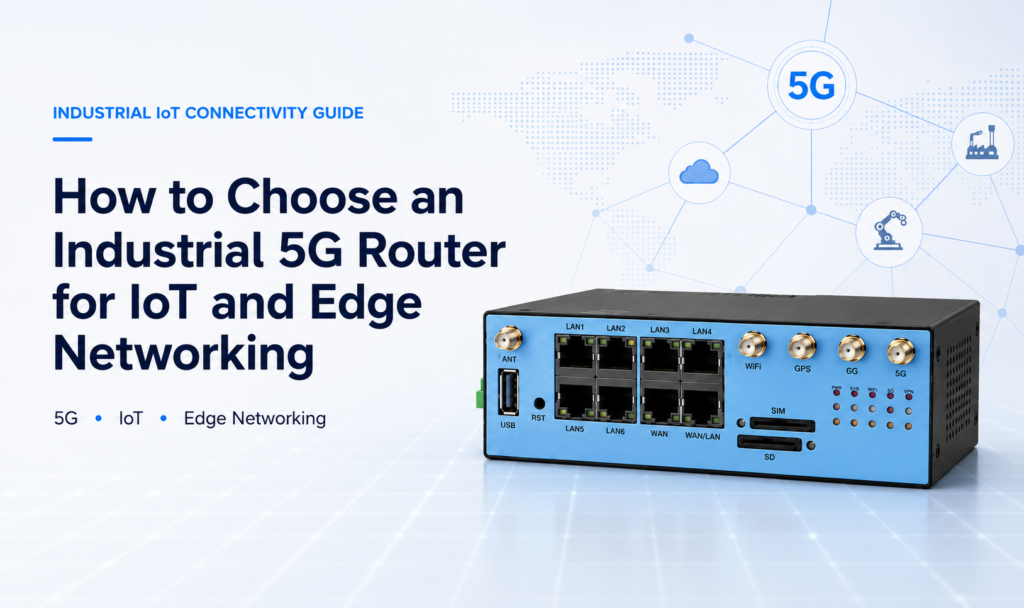
Choosing an industrial 5G router is not only about getting faster cellular speed. In real IoT, M2M, and edge networking projects, the right choice depends on bandwidth demand, 5G and 4G coverage, SIM policy, VPN access, field interfaces, power input, antenna location, and long-term remote maintenance. A 5G Router can support video upload, edge computing, smart manufacturing, transportation systems, energy monitoring, and distributed industrial sites when wired broadband is limited, unstable, or expensive.
However, not every project needs the same model. Some sites need high uplink capacity for cameras. Some need stable VPN access for PLCs. Others need dual SIM, WiFi, serial ports, GNSS, or a rugged enclosure for cabinet and vehicle installation. Therefore, this guide explains how to choose an industrial 5G router based on real project conditions, not only product specifications.
What Is an Industrial 5G Router?
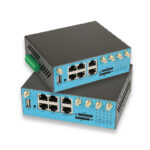
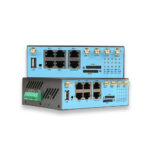
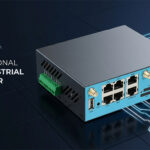
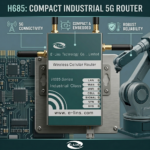
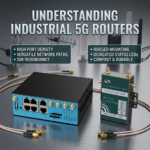
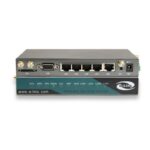
An industrial 5G router is a rugged cellular networking device that connects field equipment to 5G networks and usually supports 4G fallback. It is designed for industrial IoT, M2M communication, remote access, video transmission, mobile networking, and edge computing. Compared with a home router, an industrial router usually needs stronger hardware stability, wider power input, better antenna options, VPN support, watchdog recovery, and remote management.
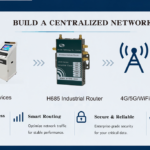
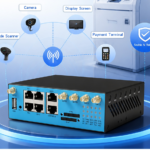
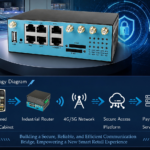
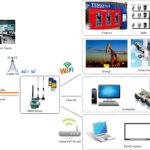
In a typical deployment, cameras, PLCs, industrial PCs, sensors, meters, NVRs, edge gateways, or smart cabinets connect to the router through Ethernet, WiFi, or serial interfaces. Then, the router sends data to a cloud platform, SCADA system, private server, video platform, or operation center.
The main value of an industrial 5G router is not only speed. It helps remote assets stay connected when fiber is unavailable, when mobile equipment must stay online, or when the project needs more bandwidth headroom for future expansion.
When 5G Is Worth Choosing for IoT and Edge Networking
5G becomes valuable when the project needs higher uplink capacity, lower delay potential, or more room for future data growth. For example, multi-camera video, edge AI boxes, smart traffic cabinets, factory inspection systems, remote vehicles, ports, mines, and temporary production sites may create heavy network traffic.
A site may start with one camera and several sensors. Later, the same site may add edge analytics, remote diagnostics, access control, alarms, and more connected devices. In this situation, choosing a 5G-ready router can reduce replacement pressure later.
However, 5G is not always required. Low-volume telemetry, simple alarms, and basic meter reading may still run well on 4G. Before buying an industrial 5G router, estimate the real data volume, coverage quality, latency sensitivity, and project lifecycle.
Selection note
Choose 5G when the site needs video upload, edge computing, mobile networking, or multiple high-data devices. Choose 4G when traffic is light, coverage is stronger, and the project needs a lower-cost cellular solution.
Which Router Direction Should You Choose?
If your project needs video upload, edge computing, mobile asset networking, or multiple connected field devices, start with the 5G router category first. It gives more bandwidth headroom and better expansion space for future IoT systems.
If your project only needs meter reading, alarm reporting, basic sensor data, or simple remote maintenance, a 4G router may still be enough. In that case, coverage stability, carrier cost, and long-term data plan management may matter more than 5G speed.
If you are not sure which model fits your site, prepare your application, country, carrier, SIM card type, interface list, power input, installation environment, and remote access method before contacting E-Lins.
Compare 5G Router Options Ask for Project Selection HelpKey Features to Check Before Selection
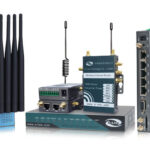
A practical evaluation should cover cellular access, fallback logic, interfaces, security, remote management, power design, and installation conditions. For product direction, the Industrial 5G Router category is the correct place to compare E-Lins 5G router options for IoT and edge networking projects.
For general technical background about 5G systems, you can also review the 3GPP 5G system overview. For real procurement, the final router choice should still follow local coverage, SIM policy, field interfaces, power conditions, and remote management needs.
5G and 4G Fallback
Coverage may change by carrier, site, antenna position, and cabinet location. 4G fallback helps the site stay online when 5G signal quality is weak or unavailable.
SIM, eSIM, and APN
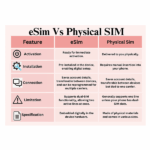
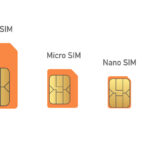
SIM planning should include carrier bands, APN settings, private network access, fixed IP needs, data plan limits, and dual SIM or eSIM requirements.
Ethernet and WAN Design
Industrial sites may connect cameras, PLCs, switches, and edge computers. Ethernet count, WAN failover, DHCP, routing, VLAN, and firewall rules should be reviewed early.
VPN and Security
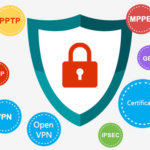
Remote access often requires VPN tunnels, firewall rules, and limited management exposure. Check whether IPsec, OpenVPN, WireGuard, GRE, or other VPN options match your network.
WiFi, GNSS, and Serial Ports
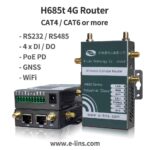
WiFi may support local maintenance. GNSS can help mobile systems. RS232 or RS485 may be needed for legacy industrial equipment.
Power and Enclosure
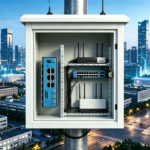
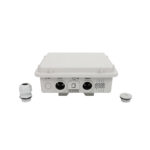
An industrial 5G router may work in cabinets, vehicles, outdoor boxes, or unmanned sites. Check power input, surge protection, mounting method, watchdog, and temperature range.
Product Direction for Real Industrial 5G Projects
For most buyers, the best industrial 5G router is not always the highest-speed model. It is the model that matches the site, SIM plan, interface list, fallback needs, antenna design, and remote management method.
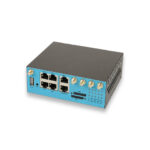
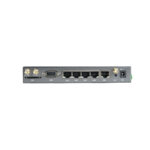
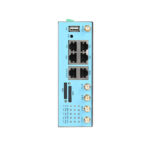
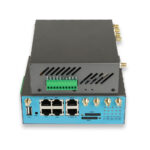
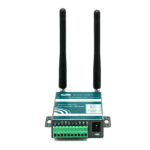
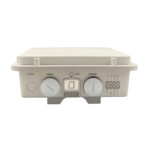
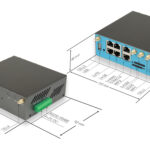
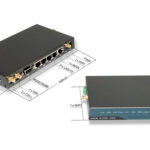
A compact model may fit cabinet projects. A dual SIM model may fit sites that need backup connectivity. A router with WiFi, GNSS, serial ports, or PoE-related deployment support may be better for transportation, video monitoring, and integrated field systems.
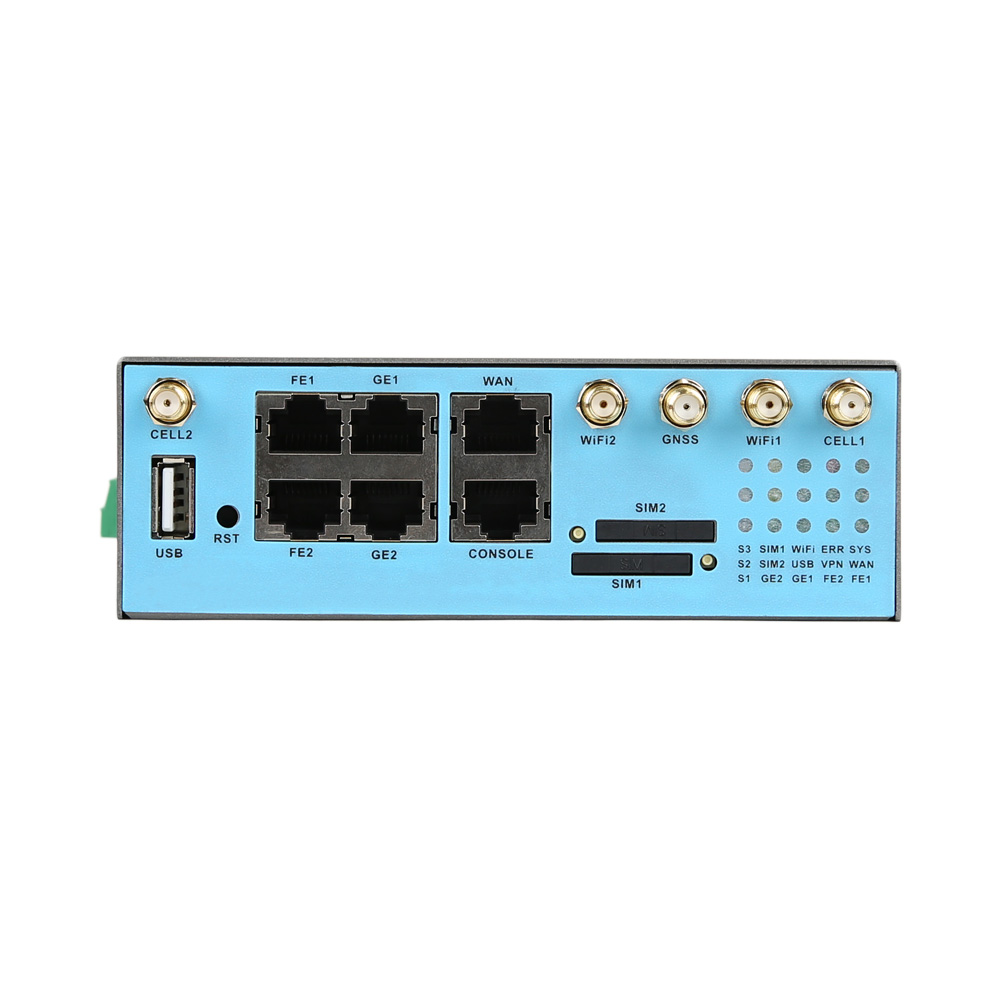
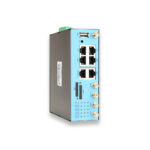
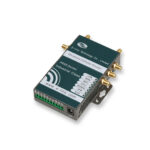
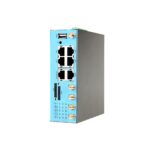
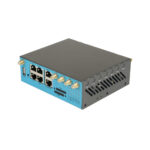
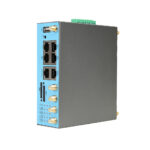
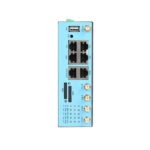
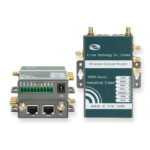
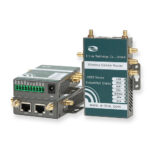
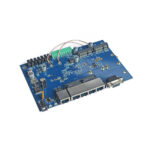
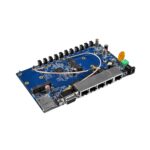
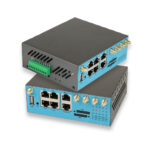
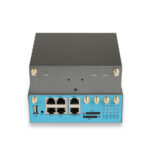
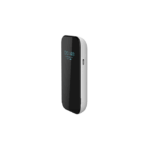
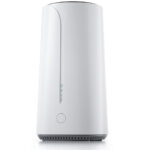
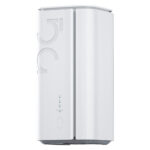
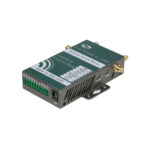
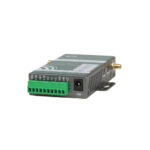
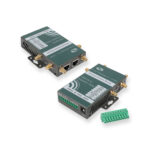
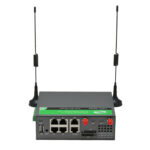
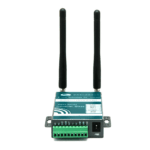
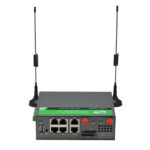
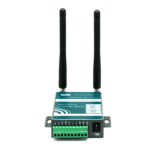
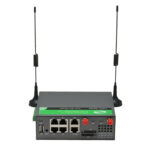
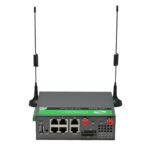
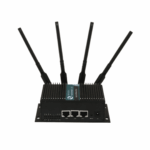
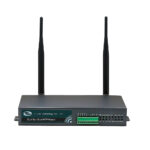
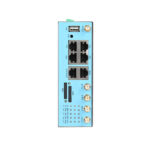
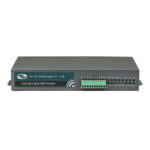
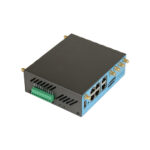
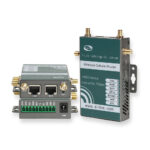
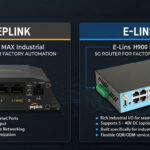
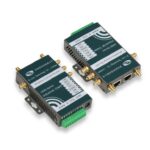
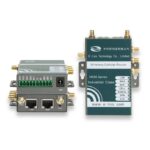
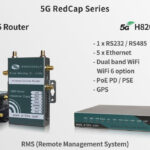
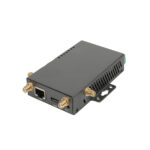
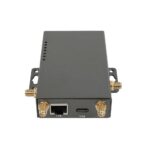
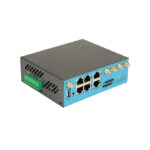
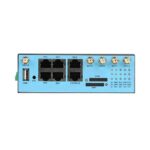
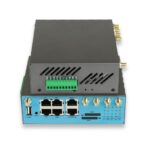
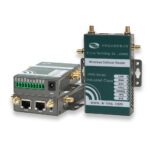
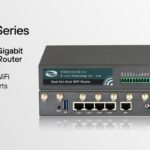
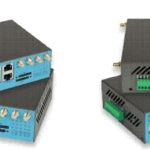
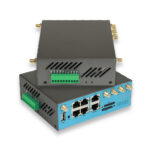
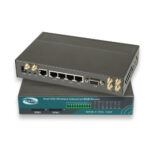
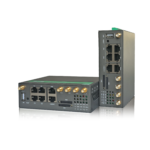
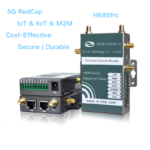
H900f Dual SIM IoT 5G Router
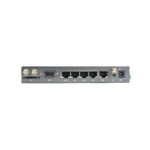
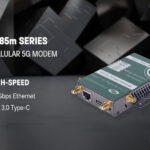
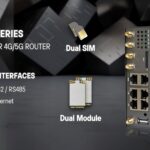
This product direction is suitable for industrial IoT projects that need 5G and 4G cellular access, dual SIM planning, remote networking flexibility, WiFi options, and field integration.
It matches projects where the router must support fallback planning, SIM strategy, edge devices, secure remote access, and long-term unattended operation.
View ProductEdge Networking and Remote Management Considerations
Edge networking moves part of the computing work closer to field devices. For example, an edge computer may process video locally, filter sensor data, or trigger alarms before sending selected data to the cloud. The router must support stable local networking and reliable wide-area access at the same time.
Remote management is also important because many industrial sites have limited local IT support. Operation teams may need to check signal status, SIM registration, VPN status, traffic usage, uptime, and firmware version from a central platform.
Recovery logic should be reviewed before deployment. Watchdog, auto-reconnect, scheduled reboot, ping detection, and failover rules can help an industrial 5G router return online after an abnormal network condition.
5G Router vs 4G Router: How to Decide
A 5G router and a 4G Router can both connect industrial equipment through cellular networks. The right option depends on traffic volume, coverage, cost, latency sensitivity, and future expansion.
4G can still be practical for small data packets, meter reading, alarms, vending machines, basic remote maintenance, and low-volume sensor data. In these cases, stable coverage and reasonable data cost may matter more than high throughput.
By contrast, 5G becomes more attractive when the site has several cameras, edge AI devices, mobile equipment, or higher uplink needs. If the project must keep room for future data growth, an industrial 5G router is usually the better direction.
| Project Need | Better Direction | Reason |
|---|---|---|
| Simple meter reading | 4G Router | Low data volume and lower cost |
| Multi-camera video upload | 5G Router | Higher uplink capacity needed |
| Edge AI or local processing | 5G Router | More bandwidth headroom and expansion space |
| Basic alarm reporting | 4G Router | Stable coverage matters more than speed |
Application Scenarios That Often Need Industrial 5G
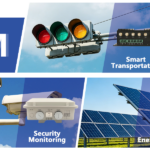
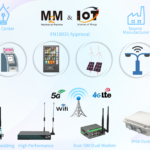
Industrial 5G is most useful when a site has growing data volume, mobile equipment, difficult cabling, or distributed assets. These scenarios often need stronger cellular capacity and better remote management.
Smart Manufacturing
Flexible production areas, mobile stations, machine data, and edge gateways may need cellular backup or primary wireless access.
Video Monitoring
Construction sites, ports, roads, mines, and remote facilities may need high uplink capacity for cameras and NVR systems.
Energy and Utilities
Solar farms, substations, water systems, and pump stations often require secure remote monitoring in distributed locations.
Transportation
Buses, trucks, inspection vehicles, roadside cabinets, and traffic systems may require mobility, GNSS, and carrier fallback.
Buying Checklist Before Procurement
Before choosing an industrial 5G router, prepare the following information. This makes technical evaluation faster and helps avoid wrong model selection.
- Application type: video, PLC remote access, edge computing, vehicle networking, energy monitoring, or general IoT.
- Network requirements: uplink traffic, downlink traffic, latency sensitivity, VPN type, and cloud or server access.
- Carrier information: SIM card, APN, private network, fixed IP, data plan, region, and 5G or 4G coverage.
- Device interfaces: Ethernet, WAN, WiFi, RS232, RS485, USB, console, DI/DO, GNSS, and PoE needs.
- Installation environment: cabinet, vehicle, outdoor box, factory floor, roadside site, temperature, vibration, and power input.
- Lifecycle plan: spare units, configuration backup, firmware maintenance, remote monitoring, and future expansion.
FAQ
What is an industrial 5G router?
It is a rugged cellular router that connects industrial devices to 5G networks and usually supports LTE fallback. It can serve IoT, M2M, video, energy, transportation, and edge networking applications.
When should an IoT project choose 5G instead of 4G?
5G is worth considering when the site needs higher bandwidth, stronger uplink capacity, lower delay potential, or expansion space. Multi-camera video, edge AI, smart manufacturing, and mobile assets are common examples.
Does a 5G router support 4G fallback?
Many industrial 5G routers support 4G fallback. The actual behavior depends on the router model, SIM card, carrier network, APN settings, and configuration policy.
Is 5G useful for edge networking?
Yes. 5G can help edge devices upload selected data, alarms, video clips, or processed results more efficiently. Local edge processing can also reduce bandwidth pressure and improve system response.
What information should be provided before buying?
Useful information includes application scenario, country, carrier, SIM details, bandwidth needs, interface requirements, power input, installation environment, antenna location, VPN requirements, and 4G fallback expectations.
Contact E-Lins for Project-Based Router Selection
As a 5G router manufacturer, E-Lins can help match router direction with real deployment conditions. If you need an industrial 5G router for IoT, M2M, video monitoring, mobile networking, or edge computing, prepare your application scenario, installation environment, network requirements, carrier and SIM status, interface list, power input, and antenna location.
This information helps the engineering team evaluate bandwidth, coverage risk, VPN access, remote management, fallback design, and long-term maintenance before recommending a suitable industrial cellular router solution.
Contact E-Lins