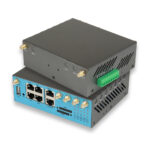
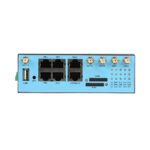
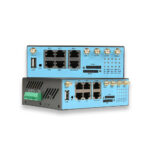
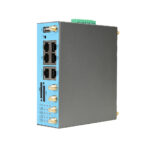
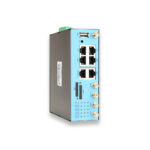
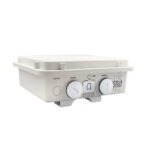
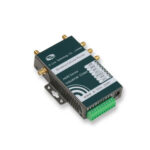
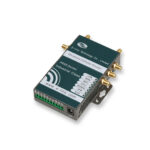
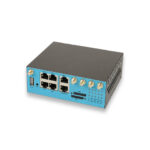
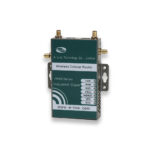
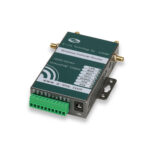
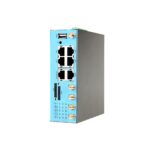

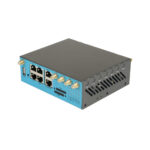
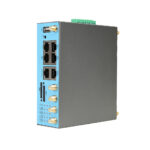
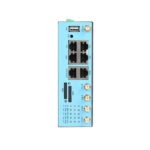
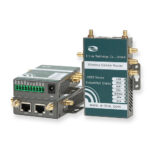
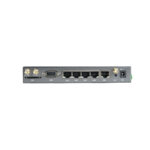
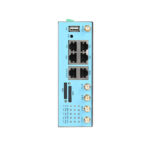
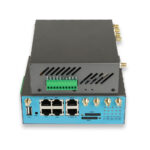
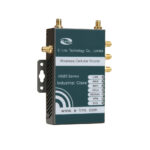
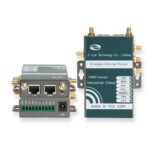
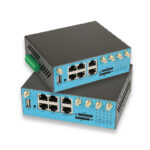
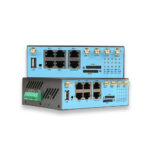
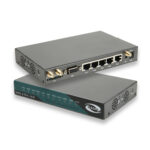
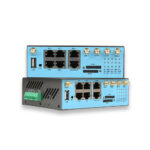
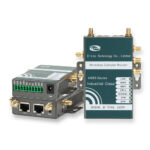
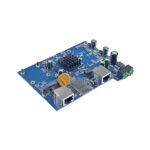
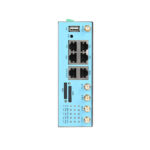
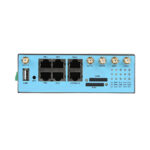
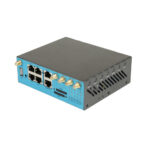
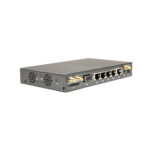
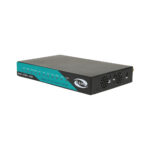
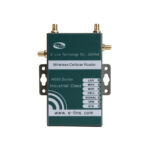
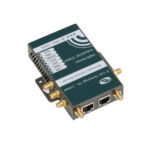
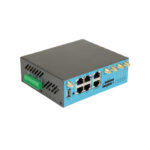
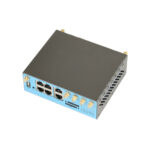
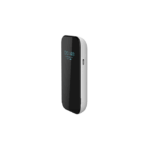
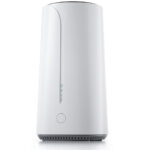
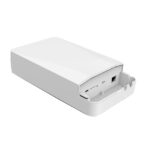
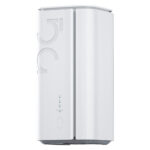

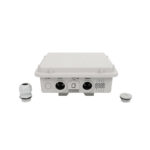
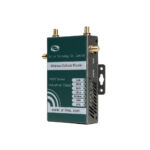
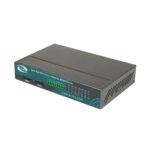
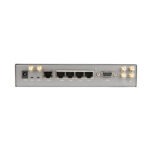
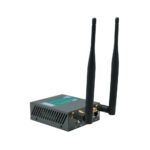
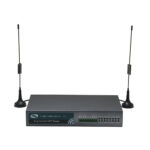
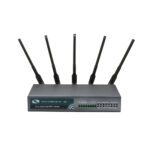
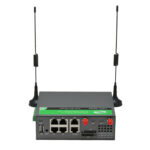
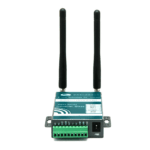
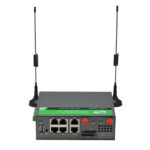
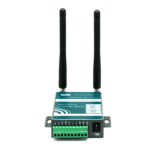
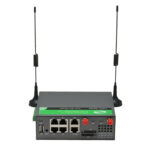
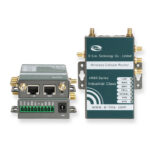
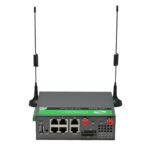
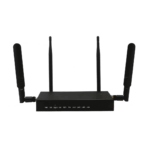
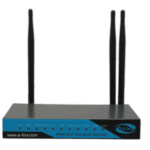
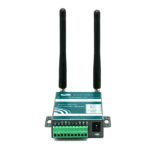
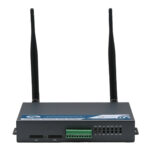
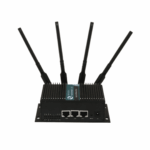
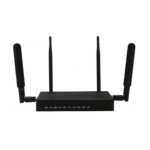
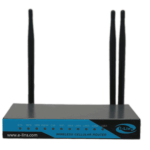
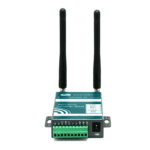
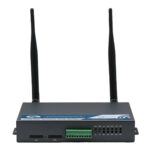
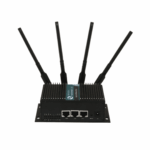
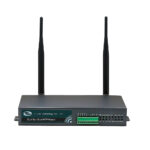
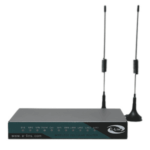
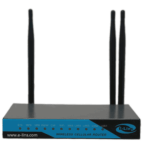
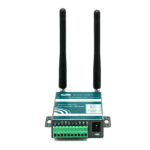
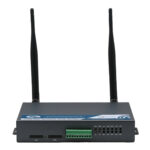
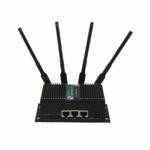
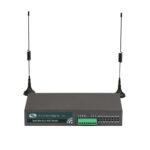
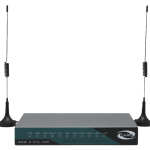
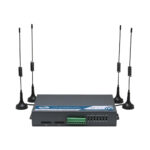
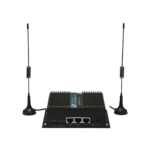
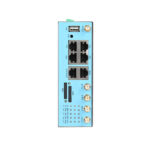
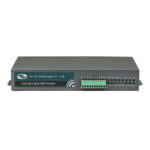
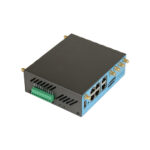
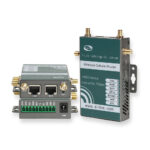
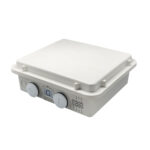
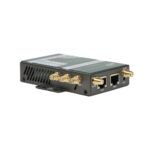
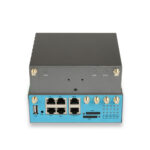
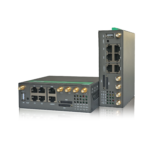
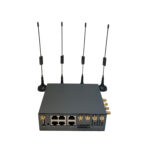
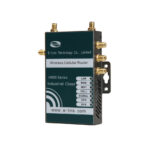
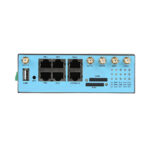
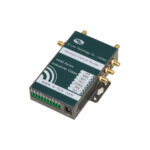






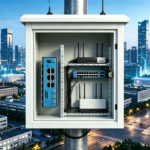
























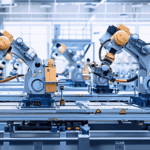


The Fourth Industrial Revolution—Industry 4.0—is built on connectivity. As manufacturing floors become smarter, autonomous vehicles roam factory grounds, and remote sites demand real-time monitoring, the demand for reliable, high-speed internet has never been greater. While the term “5G Wi-Fi router” might conjure images of a sleek plastic box sitting in a living room, the devices powering industrial transformation are fundamentally different.
An industrial 5G Wi-Fi router is the bridge between the physical world of machines and the digital world of data analytics. Unlike their consumer counterparts, these rugged devices are engineered to survive—and thrive—in environments where temperature fluctuations, dust, vibration, and electromagnetic interference would destroy standard equipment.
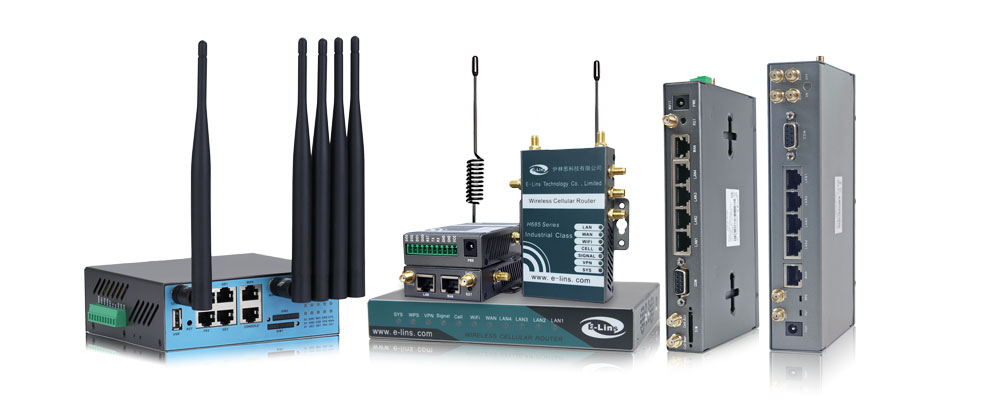
This guide explores what makes industrial 5G routers unique, their critical applications across sectors, and how they are enabling use cases that were impossible just a few years ago.
1) Industrial Router vs. Consumer Router: Built for Different Worlds
At first glance, both industrial and consumer routers move data from point A to point B. However, the similarities end there. The design philosophy behind each category reflects the environment they are intended to serve.
1. Environmental Resilience: The Hardware Divide
Consumer routers are designed for climate-controlled homes and offices, typically operating between 0°C and 40°C. They use plastic casings with limited protection against dust or moisture.
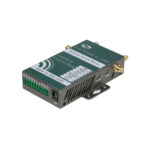
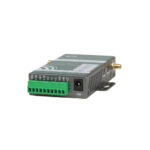
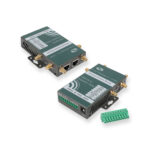
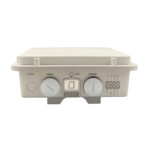
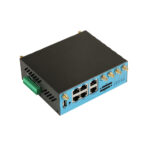
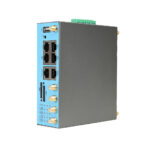
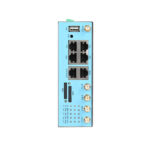
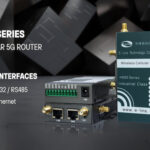
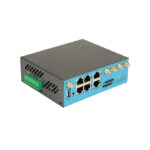
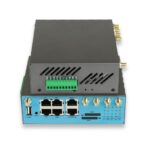
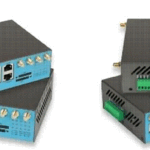
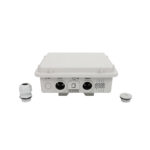
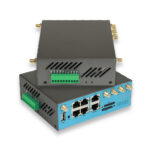
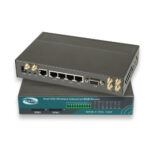
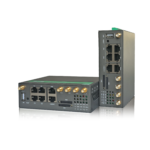
Industrial 5G routers, however, are built for the extremes. Devices like the H900f operate reliably from -40°C to 70°C, with type-testing up to 85°C. They feature ruggedized metal housings—often aluminum or reinforced steel—that resist shock, vibration, and corrosion.
Protection ratings tell the story:
- Consumer routers rarely carry Ingress Protection (IP) ratings.
- Industrial routers commonly feature IP41, IP64, or IP67 ratings, ensuring protection against dust, water jets, and even temporary submersion.
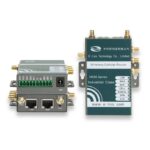
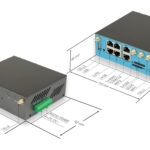
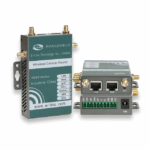
The E-Lins H900f, for instance, meets the standards for shock, vibration, and humidity, making it deployable in military, transportation, and extreme outdoor scenarios.
2. Longevity and Reliability
Consumer electronics follow a rapid upgrade cycle. Industrial infrastructure requires decade-long reliability. Industrial routers are designed for 24/7 continuous operation in mission-critical roles, with redundant components and advanced thermal management featuring no moving parts.
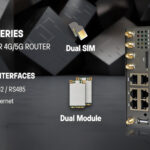
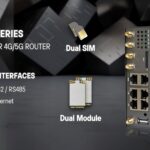
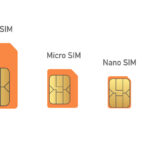
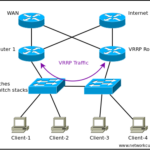
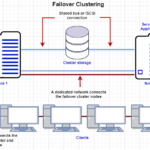
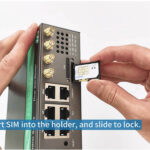
Features like dual SIM slots and multi-link WAN redundancy ensure that if one carrier network fails, the router automatically fails over to a secondary connection—a capability absent in consumer devices.
2) Core Capabilities of Industrial 5G Wi-Fi Routers
Beyond hardware toughness, industrial 5G routers pack specialized features that address the unique demands of business and infrastructure applications.
1. Advanced WAN Diversity and Link Aggregation
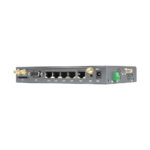
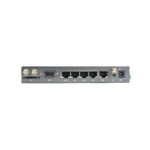
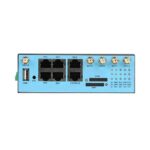
Consumer routers typically offer one WAN connection. Industrial routers like the H900f feature dual 5G/LTE modems alongside multiple Ethernet WAN ports, USB connectivity, and even support for Starlink satellite integration.
This diversity enables:
- Load balancing across multiple links for maximum throughput
- Speedfusion link aggregation combining heterogeneous connections
- Zero-second failover for uninterrupted operations
For a smart port managing autonomous cranes and container tracking, losing connectivity isn’t an option—it’s a safety and operational hazard.
2. Private 5G Network Compatibility
As enterprises build private cellular networks for security and control, industrial routers are evolving to support them. The H900f explicitly supports Private 5G networks including n48-CBRS in the Americas and n77/n78 bands in EMEA, making it ideal for mining, construction, and large industrial campuses.
3. Edge Computing Capabilities
Perhaps the most significant evolution is the integration of edge computing. Modern industrial routers don’t just pass data—they process it. The E-Lins H900f allows hosting containerized applications directly on the router, enabling real-time analysis of sensor data without round-trips to the cloud.
This capability reduces latency for time-sensitive controls and minimizes cloud data transmission costs.
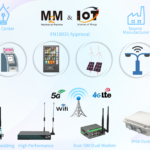
3) Transforming Industries: Key Application Scenarios
1. Smart Manufacturing and Factory Automation
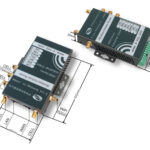
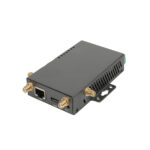
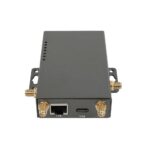
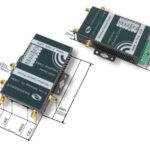
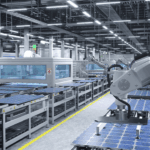
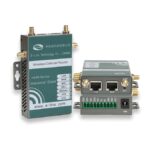
On the factory floor, 5G industrial routers enable flexible production lines. Autonomous Guided Vehicles (AGVs) carrying materials require seamless handoffs between wireless access points. Compact routers like the H900f series are designed specifically for integration into AGVs and aerial inspection drones, featuring USB-C power and compact form factors.
CNC machines, PLCs, and robotic arms stream telemetry data through these routers to Manufacturing Execution Systems (MES), enabling predictive maintenance—catching failures before they halt production.
2. Smart Energy and Utilities
The energy sector operates some of the most challenging environments. Solar farms span acres of open land; wind turbines place equipment hundreds of feet in the air; substations hum with electromagnetic interference.
Industrial 5G routers with wide temperature ranges and electromagnetic compatibility (EMC) certification thrive here. They connect remote terminal units (RTUs) and intelligent electronic devices (IEDs) back to control centers, enabling real-time grid monitoring and automated fault isolation. The H900f is specifically certified to IEEE 1613 and IEC 61850-3 standards for power substation automation.
3.Intelligent Transportation and Connected Vehicles
From city buses to high-speed trains, vehicles demand routers that handle constant vibration and rapid movement. Industrial routers with integrated GPS/GNSS provide location-based telemetry, while dual-cellular designs maintain connectivity as vehicles move between tower sectors.
Ports benefit immensely. Automated stacking cranes, connected via 5G industrial routers, coordinate with terminal operating systems for precision container handling.
4. Remote Environmental Monitoring
Consider a weather station atop a mountain or a seismic sensor monitoring fault lines. These sites lack wired infrastructure and reliable power. Industrial routers like the H900f feature extreme power efficiency—idle consumption as low as 756 mW—and support solar/battery operation. They transmit critical environmental data reliably from locations where consumer gear would freeze or overheat.
4) Security: Protecting Critical Infrastructure
Industrial networks are attractive targets for cyberattacks. A compromised factory or power grid has consequences far beyond stolen credit card numbers.
Industrial 5G routers incorporate defense-in-depth security:
- Hardware-anchored trust with tamper-resistant storage of certificates
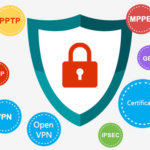
- VPN support (IPsec, OpenVPN, WireGuard) for encrypted tunnels back to headquarters
- Stateful firewalls and ACLs restricting unauthorized access
- Secure boot ensuring only authenticated firmware runs
5)Frequently Asked Questions (FAQ)
Q1: Can I use a consumer 5G router in an industrial environment?
A: Not recommended. Consumer routers lack the wide temperature tolerance, vibration resistance, and electromagnetic shielding required for industrial settings. They will likely fail prematurely, causing costly downtime.
Q2: What is 5G RedCap, and why does it matter for industrial routers?
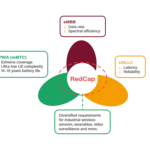
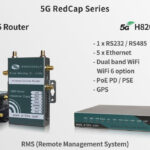
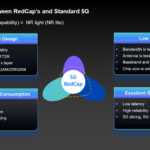
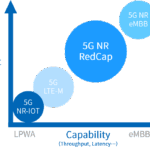
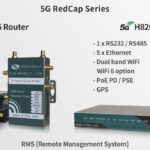
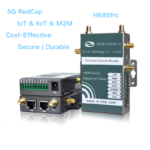
A: 5G RedCap is a 3GPP-standardized version of 5G designed for IoT devices with moderate speed needs but critical requirements for power efficiency and longevity. Routers like the E-Lins H900f use RedCap to deliver 5G connectivity with significantly lower power consumption, enabling solar-powered deployments.
Q3: Do industrial 5G routers support Wi-Fi?
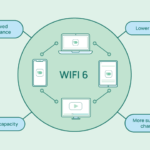
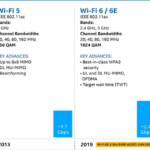
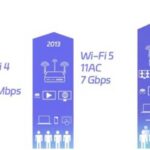
A: Yes, many industrial routers include integrated Wi-Fi, often Wi-Fi 6, for local device connectivity. However, the primary WAN connection remains 5G cellular. They function as both a 5G gateway and a local Wi-Fi access point, though Wi-Fi capabilities may be more limited than consumer mesh systems.
Q4: How do I manage hundreds of industrial routers deployed remotely?
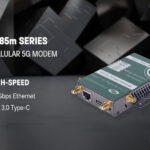
A: Industrial routers support centralized management platforms via protocols like TR-069, MQTT, and REST APIs. Solutions like E-Lins H685f & H900f allow bulk configuration, monitoring, and firmware updates without site visits.
Q5: What is the typical lifespan of an industrial 5G router?
A: Industrial routers are designed for 5-10+ year lifespans, supported by extended manufacturer warranties (up to 5 years with subscriptions) and modular designs allowing radio upgrades without replacing the entire chassis.
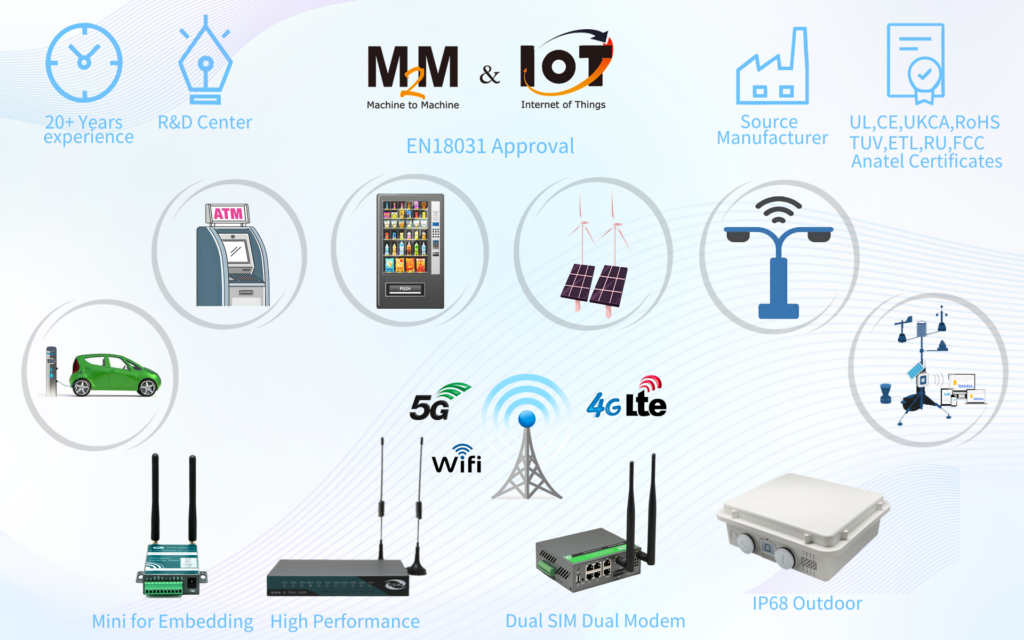
Do you need a reliable 5G Wi-Fi Router? You could contact with E-Lins, a IoT expert, providing many excellent 5G Wi-Fi Routers.