



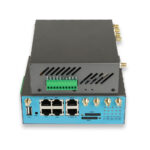
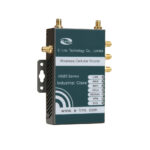
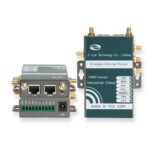
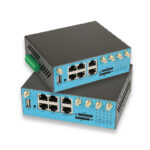



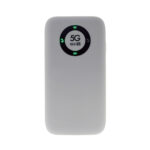
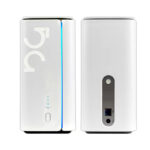
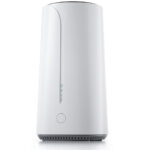

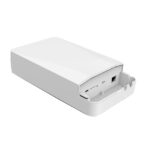
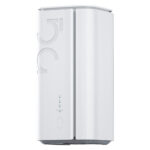

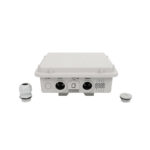
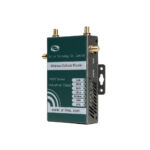
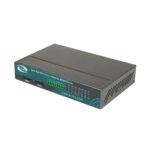
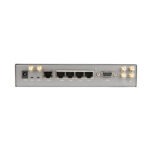
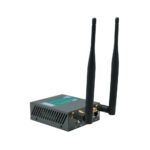
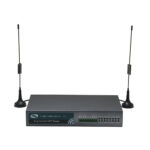
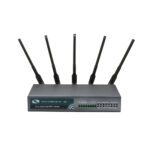
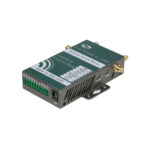
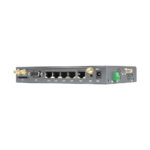

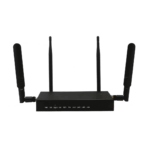
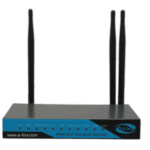
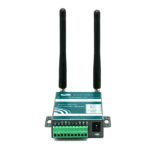
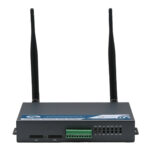
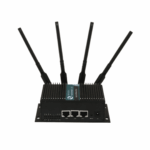
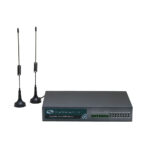

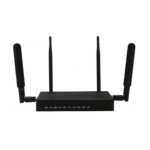
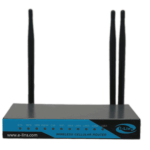
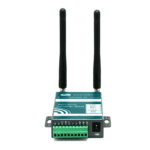
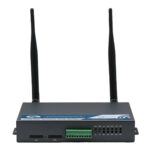
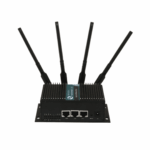
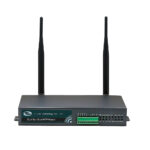

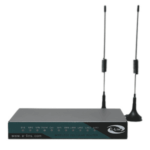
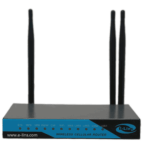
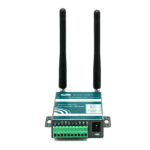
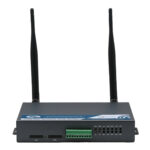
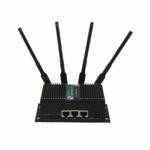
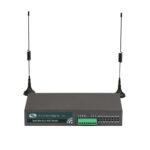




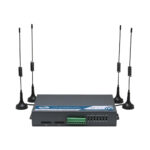
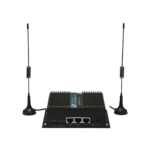
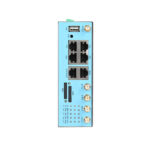
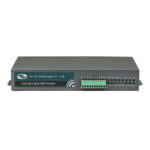
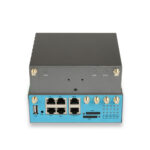

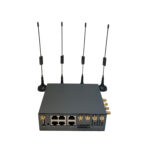
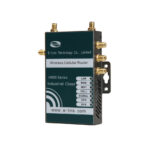
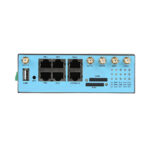
















































































In a world where reliable internet connectivity is essential for work, education, entertainment, and communication, the 4G wireless router remains a versatile and accessible solution for millions of users worldwide. While 5G technology has gained significant traction in recent years, 4G wireless routers continue to dominate markets where 5G coverage is limited, offering a perfect balance of performance, affordability, and flexibility.
Unlike 5G routers that require advanced infrastructure and often come with higher price tags, 4G wireless routers leverage mature 4G LTE networks—available in over 200 countries and regions—to deliver consistent speeds, wide coverage, and easy setup. In 2025, the 4G wireless router market continues to evolve, with manufacturers introducing new models that enhance portability, battery life, and device compatibility.
This blog dives deep into the 4G wireless router market, exploring key trends, core benefits, top models across different use cases, and addressing the most common questions to help you understand why 4G wireless routers remain a top choice for connectivity.
What is a 4G Wireless Router?
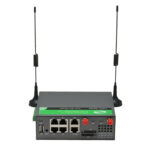
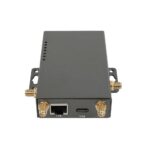
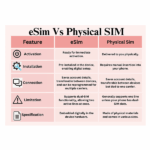
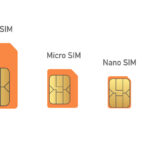
Before exploring market trends and benefits, it’s crucial to understand what a 4G wireless router is and how it works. A 4G wireless router is a portable or stationary device that uses 4G LTE cellular networks to provide wireless internet access to multiple devices—including laptops, smartphones, tablets, smart home devices, and IoT gadgets—via Wi-Fi or Ethernet. Unlike traditional wired routers that rely on cable or fiber-optic broadband, 4G wireless routers use a physical SIM card (or in some cases, eSIM) from a cellular carrier to connect to 4G networks, eliminating the need for fixed-line infrastructure. This makes them ideal for areas where wired broadband is unavailable, expensive, or unreliable, as well as for users who need internet on the go.
At its core, a 4G wireless router converts 4G cellular signals into Wi-Fi signals, allowing multiple devices to connect simultaneously. Most modern 4G wireless routers support 4G LTE-Advanced (LTE-A) technology, delivering download speeds of up to 300 Mbps and upload speeds of up to 50 Mbps—sufficient for most daily activities, including HD video streaming, video conferencing, online gaming, and large file downloads. While 4G speeds are slower than 5G, they are more than enough for casual users, small businesses, and travelers who prioritize reliability and affordability over ultra-fast speeds. Additionally, 4G wireless routers are often more compact, lightweight, and cost-effective than 5G models, making them accessible to a wider range of users.
1)Key Market Trends for 4G Wireless Routers.
Despite the rise of 5G, the 4G wireless router market remains robust in 2025, driven by several key trends that cater to evolving user needs. These trends highlight the ongoing relevance of 4G technology and how manufacturers are adapting to meet demand:
1. Growing Demand in Rural and Underserved Areas
One of the biggest drivers of 4G wireless router growth in 2025 is the lack of 5G coverage in rural and underserved regions. While 5G networks are primarily available in urban areas, 4G LTE networks cover over 95% of the global population, making 4G wireless routers the go-to solution for users in rural areas, small towns, and remote locations. Governments and telecom carriers in many countries are also investing in 4G infrastructure to bridge the digital divide, further boosting demand for 4G wireless routers in these regions.
2. Rise of Portable and Compact Models
In 2025, manufacturers are focusing on creating smaller, more portable 4G wireless routers to cater to frequent travelers, digital nomads, and outdoor enthusiasts. These pocket-sized devices are lightweight (often under 200g), have built-in batteries, and support fast charging, making them perfect for use on the go—whether you’re traveling for work, camping, or commuting. Many portable 4G wireless routers also feature rugged designs, water resistance, and long battery life (up to 12 hours), ensuring connectivity even in harsh environments.
3. Integration with Smart Home and IoT Devices
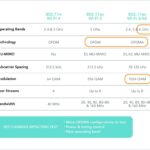
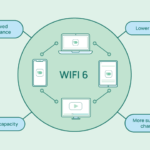
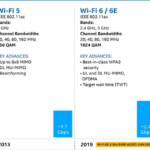
As smart home and IoT devices become more popular, 4G wireless routers are being updated to support seamless integration with these devices. Modern 4G wireless routers feature Wi-Fi 6 technology, which offers better device connectivity, faster speeds, and improved energy efficiency—critical for powering smart TVs, security cameras, smart thermostats, and other IoT gadgets. Some models also include Ethernet ports for wired connections to smart home hubs, ensuring a stable connection for all devices.
4. Affordability and Value for Money
In 2025, 4G wireless routers remain significantly more affordable than 5G models, with prices ranging from $50 to $200—making them accessible to budget-conscious users. Additionally, 4G data plans are often cheaper than 5G plans, with many carriers offering unlimited data options for under $50 per month. This combination of affordability and reliability makes 4G wireless routers a popular choice for students, small businesses, and households looking to avoid the high cost of 5G infrastructure and plans.
2)Key Benefits of Using a 4G Wireless Router.
The enduring popularity of 4G wireless routers is due to their unique combination of flexibility, reliability, and affordability. Below are the top benefits that make them a top choice for users across different use cases in 2025:
1. Wide Coverage and Reliability
4G LTE networks are the most widely available cellular networks globally, covering even remote and rural areas where 5G and wired broadband are unavailable. This means you can get reliable internet access almost anywhere—whether you’re at home, in the office, on a road trip, or in a remote work location. Unlike 5G, which can be spotty in non-urban areas, 4G signals are strong and consistent, ensuring minimal downtime and interruptions.
2. No Fixed-Line Infrastructure Required
One of the biggest advantages of 4G wireless routers is that they don’t require any fixed-line infrastructure, such as cable or fiber-optic cables. This makes them ideal for renters, travelers, and users in areas where wired broadband is expensive or difficult to install. With a 4G wireless router, you can set up internet in minutes—simply insert a SIM card, power on the device, and connect your devices via Wi-Fi.
3. Affordability
4G wireless routers are significantly cheaper than 5G models, with budget-friendly options available for under $100. Additionally, 4G data plans are more affordable than 5G plans, making them a cost-effective solution for users who don’t need ultra-fast speeds. For small businesses and households, this can translate to significant savings on monthly internet bills.
4. Portability and Flexibility
Most 4G wireless routers are portable, with built-in batteries that allow you to use them on the go. This makes them perfect for travelers, digital nomads, and outdoor enthusiasts who need internet access outside of their home or office. Additionally, 4G wireless routers can be used as a backup internet connection for wired broadband—if your primary internet goes down due to outages or maintenance, you can switch to 4G to stay connected.
5. Easy Setup and Use
4G wireless routers are incredibly easy to set up and use, even for users with limited technical knowledge. Most models come with a user-friendly app or web interface that allows you to configure settings, monitor data usage, and manage connected devices with just a few taps. Inserting a SIM card is simple, and many routers automatically connect to the nearest 4G network, so you can start using the internet within minutes.
3)Top 4G Wireless Router Models.
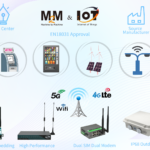
The 4G wireless router market offers a wide range of models, catering to different use cases, budgets, and preferences. Below are the top models to consider, whether you’re looking for a portable router for travel, a stationary model for home use, or a high-performance router for small businesses:
1. TP-Link M7450 4G LTE Wireless Router
The TP-Link M7450 is a popular portable 4G wireless router, ideal for travelers and on-the-go users. It supports 4G LTE-A technology, delivering download speeds of up to 300 Mbps and upload speeds of up to 50 Mbps. The router is compact (10.5cm x 6.2cm x 1.8cm) and lightweight (110g), making it easy to carry in a pocket or bag. It features a 2,000mAh battery that provides up to 8 hours of continuous use, and supports fast charging—allowing you to charge it to 50% in just 30 minutes. The M7450 can connect up to 10 devices simultaneously, supports Wi-Fi 5, and includes a microSD card slot for file sharing. It’s compatible with most global carriers and comes with a user-friendly app for managing settings and data usage.
2. Huawei B535-232 4G Wireless Router
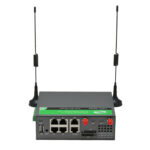
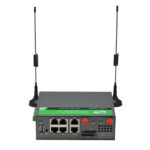
The Huawei B535-232 is a stationary 4G wireless router designed for home and small business use. It supports 4G LTE-A speeds of up to 300 Mbps, features four Ethernet ports for wired connections, and can connect up to 32 devices simultaneously. The router supports Wi-Fi 6, which offers better device connectivity and faster speeds, making it ideal for households with multiple smart devices. It includes a built-in antenna for improved signal reception, and a user-friendly web interface for easy setup and management. The B535-232 is compatible with all major global carriers and comes with advanced security features, including WPA3 encryption and parental controls.
3. Netgear Nighthawk M1 4G LTE Mobile Router
The Netgear Nighthawk M1 is a premium portable 4G wireless router, designed for power users and frequent travelers. It supports 4G LTE-A speeds of up to 300 Mbps, can connect up to 20 devices simultaneously, and features a 5,000mAh battery that provides up to 24 hours of continuous use—making it perfect for long trips or outdoor use. The router supports Wi-Fi 5, includes a touchscreen interface for easy setup, and has a rugged design that is water and dust resistant. It also includes advanced security features, such as a built-in VPN and WPA3 encryption, and is compatible with most global carriers.
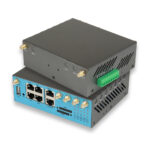
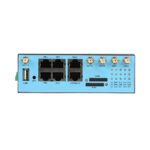
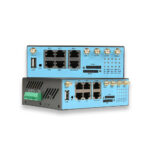
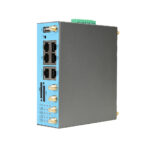
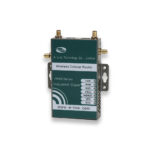
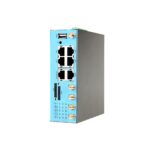
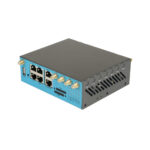
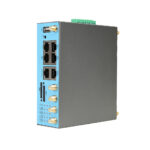
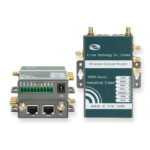
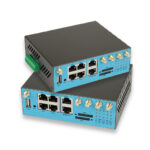
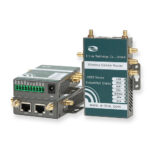
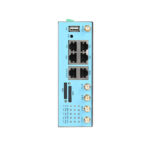
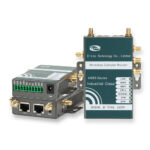
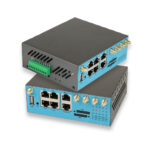
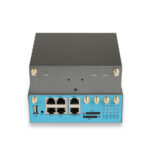
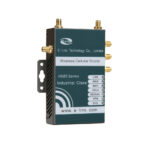
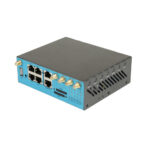
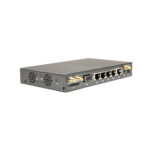
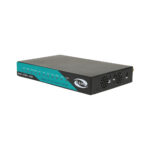
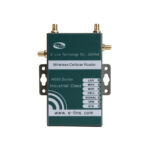
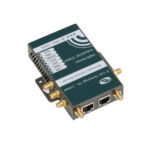
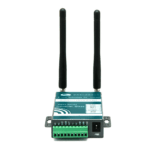
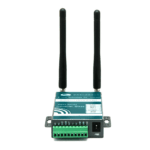
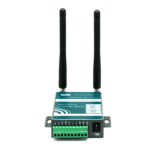
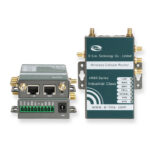
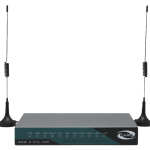
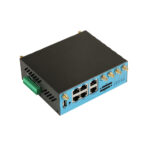
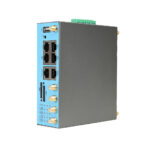
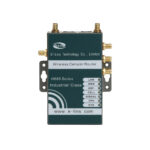
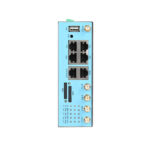
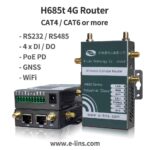
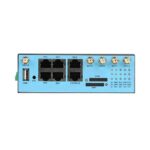
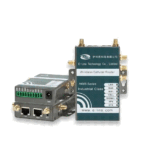
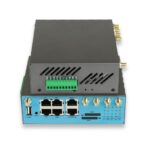
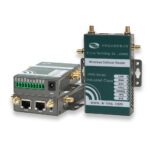
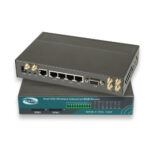
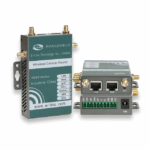
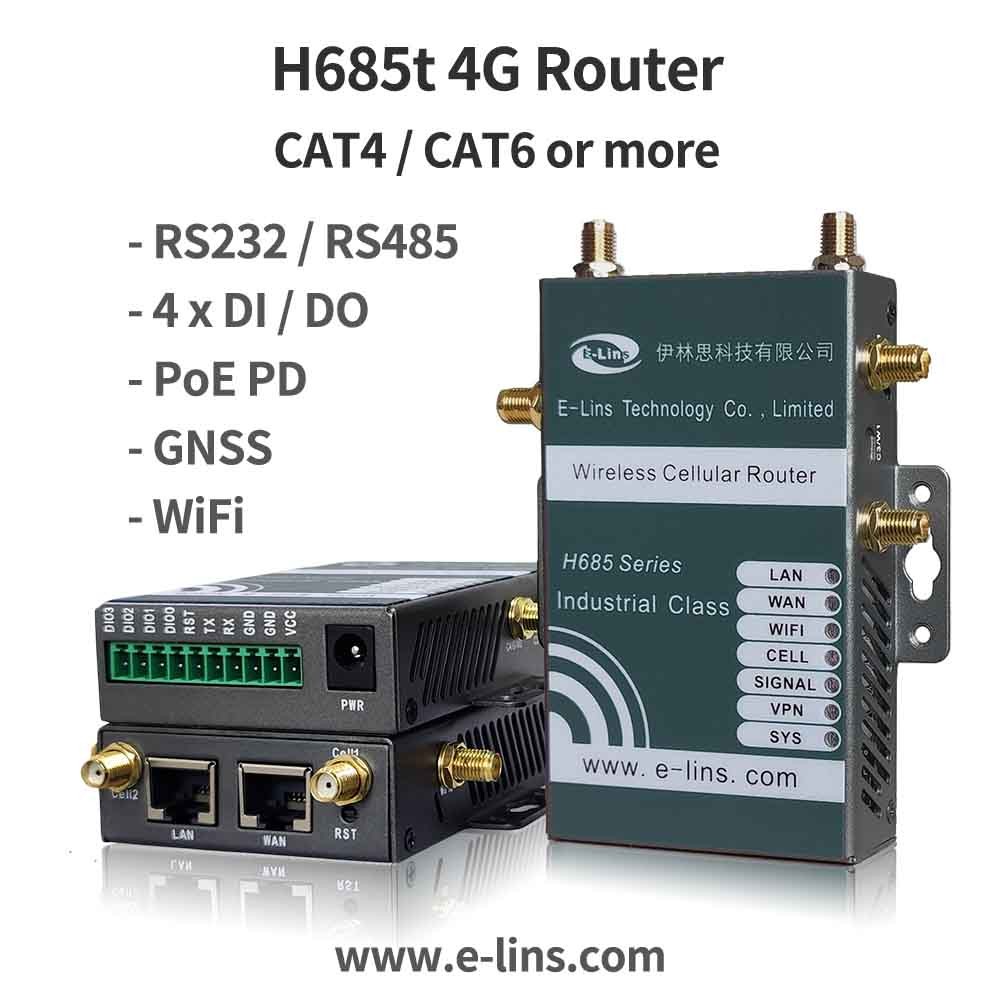
4. E-Lins H685 4G Wireless Router
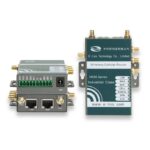
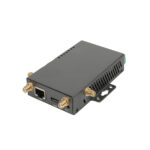
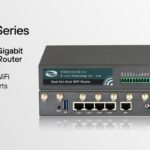
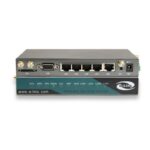
The H685 is a budget-friendly 4G wireless router, ideal for users looking for an affordable and reliable solution. It supports 4G LTE speeds of up to 150 Mbps, can connect up to 16 devices simultaneously, and features two Ethernet ports for wired connections. The router is compact and easy to set up, with a user-friendly web interface that allows you to manage settings and data usage. It’s compatible with most major carriers and includes basic security features, such as WPA2/WPA3 encryption. The H685 is perfect for home use, small offices, or as a backup internet connection.
4)FAQ: Common Questions About 4G Wireless Routers
Below are the most frequently asked questions about 4G wireless routers, covering setup, compatibility, performance, and more, to help you make an informed decision:
Q1: How do I set up a 4G wireless router?
Setting up a 4G wireless router is simple. First, insert a compatible SIM card from your cellular carrier into the router’s SIM card slot. Then, power on the router—most models will automatically connect to the nearest 4G network. Once connected, you can access the router’s Wi-Fi network using the default SSID and password. For advanced settings, you can use the router’s app or web interface to change the Wi-Fi name and password, monitor data usage, and manage connected devices.
Q2: Are 4G wireless routers compatible with all carriers?
Most 4G wireless routers are unlocked, meaning they are compatible with any carrier that uses 4G LTE bands supported by the router. However, some routers are locked to a specific carrier, so it’s important to check the router’s specifications and your carrier’s 4G bands before purchasing. Most global carriers (T-Mobile, Vodafone, and China Mobile) use standard 4G bands, so unlocked routers will work with them.
Q3: Can I use a 4G wireless router as my primary internet connection?
Yes, you can use a 4G wireless router as your primary internet connection, especially if you live in an area with strong 4G coverage and limited wired broadband options. 4G speeds (up to 300 Mbps) are sufficient for most daily activities, including HD video streaming, video conferencing, online gaming, and browsing. However, you should consider your data usage—4G data plans may have data caps, so if you have high data needs, look for carriers that offer unlimited data plans for 4G routers.
Q4: Do 4G wireless routers support Wi-Fi 6?
Yes, many modern 4G wireless routers launched support Wi-Fi 6. Wi-Fi 6 offers faster speeds, better device connectivity, and improved energy efficiency compared to previous Wi-Fi standards, making it ideal for households and small businesses with multiple devices. If you have smart home devices or frequently connect multiple devices to the router, a Wi-Fi 6 4G wireless router is a great choice.
Q5: Can I use a 4G wireless router abroad?
Yes, you can use a 4G wireless router abroad, provided it is unlocked and compatible with the local carrier’s 4G bands. To use it abroad, you can purchase a local prepaid SIM card from a carrier in your destination country, which is often cheaper than international roaming plans. Many portable 4G wireless routers are designed for international use, supporting global 4G bands to ensure connectivity in over 190 countries.
In conclusion, 4G wireless routers remain a reliable, affordable, and flexible connectivity solution in 2025, especially for users in areas with limited 5G coverage, frequent travelers, and budget-conscious households and small businesses. With their wide coverage, easy setup, and evolving features, 4G wireless routers continue to play a vital role in keeping people connected. By understanding the market trends, key benefits, top models, and common questions, you can choose the right 4G wireless router to meet your connectivity needs.
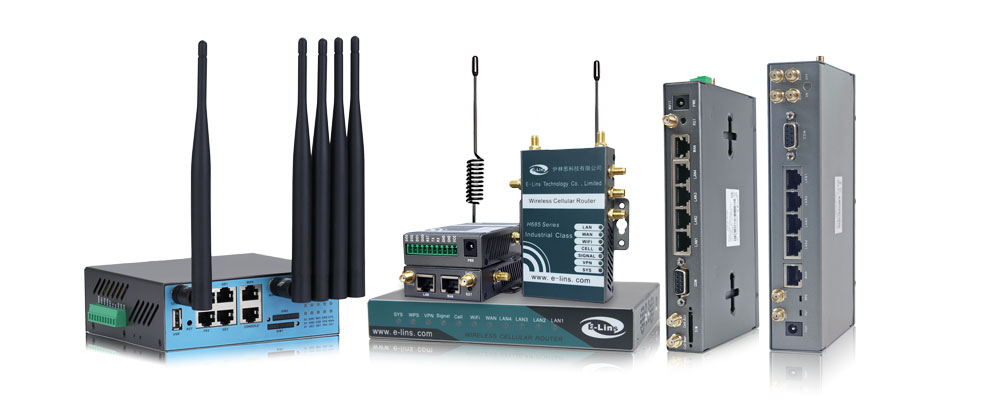
Are you sourcing a 4g wireless router? E-Lins will be an excellent choice for you. Founded since 1999, specialized on manufacturing 4g wireless routers.