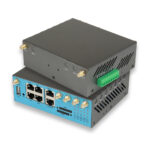
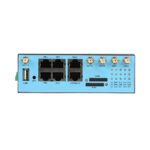
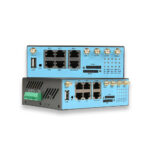
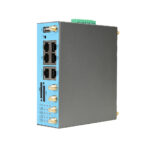
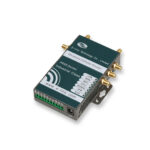
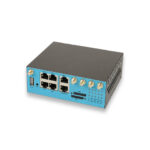
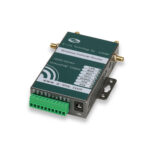

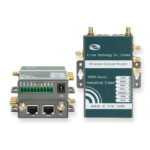
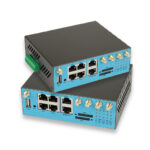
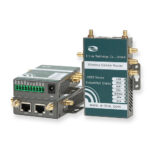






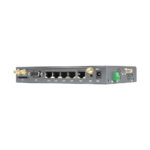
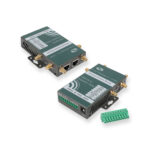
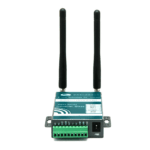
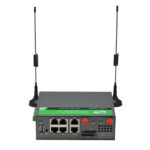
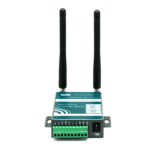
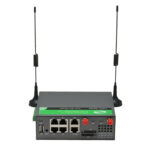
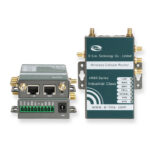
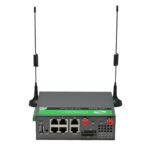



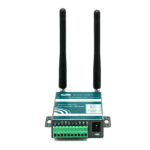
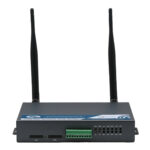
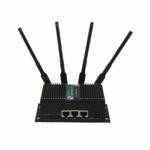
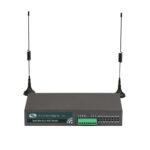

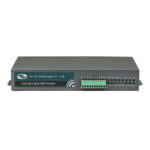
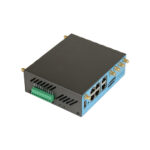
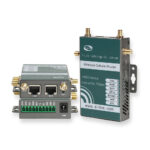
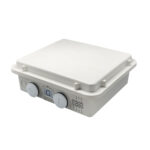
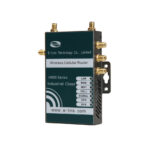
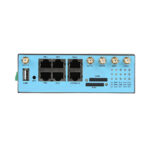
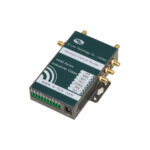
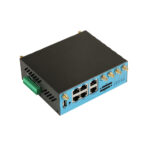























































We often heard these words: LTE CAT4/CAT1/CAT M and NB IoT. Then what are they and which is the best choice for your projects? This blog we will provide a brief description for these technologies.
Introduction to LTE Technologies and Categories
Long-Term Evolution (LTE) is the standard for wireless broadband communication. It is designed to increase the capacity and speed of mobile telephone networks. LTE has become pivotal in supporting modern IoT solutions.
The LTE categories, ranging from CAT0 to CAT18, are defined by different data rates, latency, and performance metrics, influencing the choice of connectivity for IoT deployments. For IoT solutions, LTE CAT4, CAT1, CAT M, and NB-IoT are particularly relevant due to their balance between performance and power consumption.
1)LTE CAT4: Most popularly used LTE
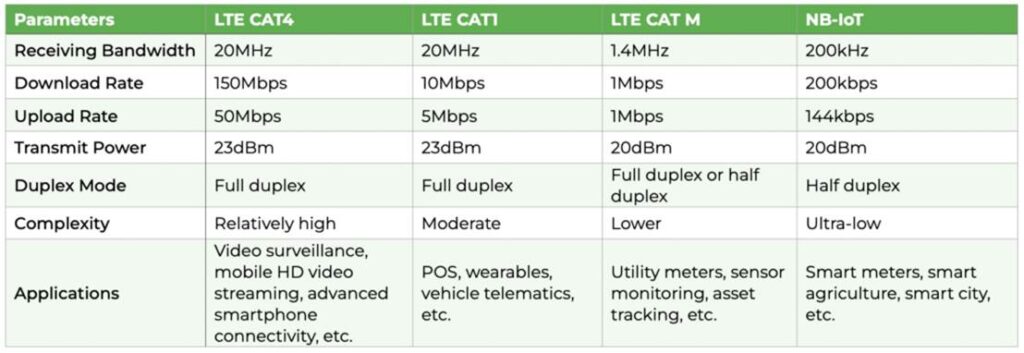
LTE CAT4 is a high-speed connectivity standard capable of delivering download speeds up to 150 Mbps and upload speeds of 50 Mbps. It supports more complex IoT applications that require higher data throughput, such as video surveillance and in-vehicle infotainment.
The use of LTE CAT4 is ideal for scenarios where the IoT devices have access to a steady power supply and demand high-speed data transmission. However, it is less energy-efficient compared to other categories, making it less suitable for devices that rely on battery power.
2)LTE CAT1: Fit for low-speed cases
LTE CAT 1 is an LTE communication standard designed for the express aim of servicing IoT applications. It scales down bandwidth and communication demand to save power and cost for large-scale or long-range IoT systems.
LTE CAT 1 is the only fully available cellular IoT option now and represents an early push towards connecting IoT devices using existing LTE networks. While the performance is inferior to 3G networks, it’s an excellent option for IoT applications that require a browser interface or voice. The major attraction is that it’s already standardized, and more importantly, it’s simple to transition into the LTE CAT 1 network. Experts predict that as 3G technology sunsets, LTE CAT 1 networks will take its place.
3)LTE CAT M: Fit for cost-effective cases
LTE CAT M, also known as Cat-M1, is a low-cost LPWAN technology developed by 3GPP as part of the 13th edition of LTE standard. It’s a complementary technology to NB IOT, with faster upload and download speeds of 1Mbps and lower latency of 10 to 15ms.
4)NB-IoT: Narrowband IoT Connectivity
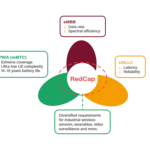
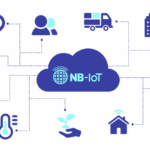
Narrowband IoT (NB-IoT) is a standards-based low power wide area (LPWA) technology developed to enable a wide range of new IoT devices and services. NB-IoT significantly improves the power consumption of user devices, system capacity, and spectrum efficiency, especially in deep-coverage.
NB-IoT operates in licensed frequency bands and offers a robust, secure, and reliable connectivity solution. With a typical download speed of around 250 kbps and upload speeds nearing 200 kbps, it is designed for applications that only transmit small amounts of data infrequently, such as smart meters and sensor monitoring.
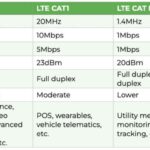
Summary: Comparison between Different Categories
Other concerns for LTE Migration
Apart from LTE categories, there are other factors that you may want to consider while planning for your LTE migration.
Scalability: As IoT deployments grow, the chosen LTE category should support the increasing number of devices and data throughput. Planning for scalability ensures that the network can handle future growth without requiring another major overhaul.
Regulatory Compliance: Different regions may have specific requirements for wireless communication. Ensuring that your LTE solution is compliant with local regulations is critical to avoid legal and operational setbacks.
Security: Security protocols must be re-evaluated. LTE networks offer advanced security features, but these need to be properly implemented to protect against new threats.
Costs: Migrating to LTE involves costs associated with new modules, devices, and potential service disruptions during the transition. A cost-benefit analysis should guide the decision-making process to ensure that the long-term benefits justify the initial investment.
Integration with Existing Systems: The new LTE infrastructure must integrate with existing IoT systems. This may require additional middleware or platform adjustments to maintain functionality and manage the devices effectively.
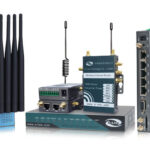
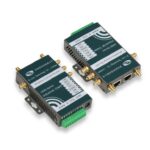
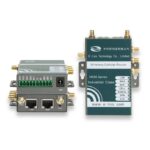
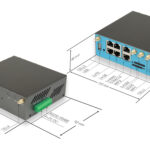
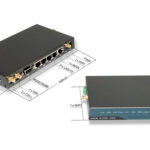
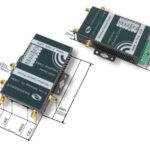
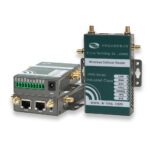
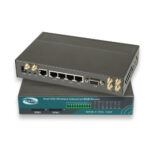
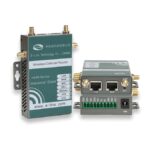
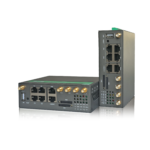
Whichever LTE categories you want, E-Lins also could meet your needs. As China best 4G Router & 5G Router Manufacturer, E-Lins could provide various choices such as Cat1/Cat4/Cat6/Cat12/5G Redcap/5G.