
















































Matching the Right 4G Wi-Fi Router to Your Environment
The term “4G Wi-Fi router” covers a vast spectrum of hardware. On one end, you have sleek, white plastic boxes designed to sit unnoticed on a living room shelf. On the other, you have rugged, metal-clad devices with industrial screw terminals and wide voltage tolerances. Choosing the wrong type for your application can lead to poor performance or hardware failure.

Whether you are setting up a smart home, managing a fleet of vehicles, or providing connectivity for a remote construction site, this article will help you distinguish between consumer-grade and industrial-grade routers to make the perfect choice.
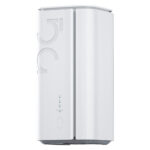
1) The Consumer-Grade 4G Wi-Fi Router: The Backbone of the Modern Home
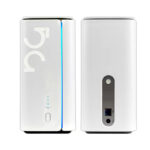
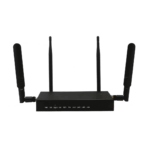
For the vast majority of residential users, a consumer-grade router offers the perfect blend of performance, aesthetics, and ease of use. These devices are built with user experience as the top priority.
1. Performance for Entertainment and Telecommuting
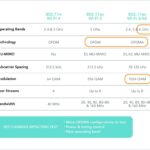
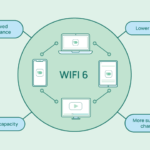
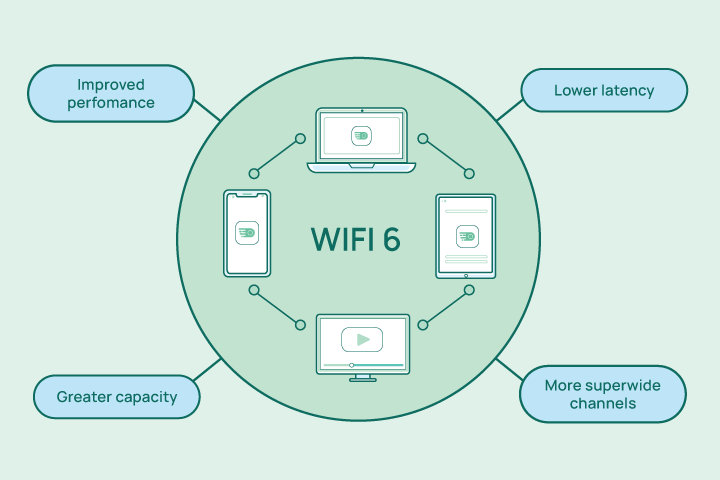
Modern consumer routers, such as the Nighthawk series or D-Link Eagle Pro AI, are designed to handle high-bandwidth activities. They support Wi-Fi 6, allowing seamless 4K streaming on multiple TVs while simultaneously handling Zoom calls and online gaming. The integration of AI-based optimizers in some models automatically prioritizes bandwidth for latency-sensitive applications like video conferencing.
2. AI and App-Based Management
Gone are the days of complicated web interfaces. Today’s consumer 4G Wi-Fi routers come with sophisticated mobile apps. These apps allow you to set up the device in minutes by scanning a QR code, pause the internet for specific devices during dinner, create guest networks, and run speed tests from the palm of your hand. Features like Amazon Alexa and Google Assistant integration let you control the network with voice commands.
3. A Parental Control Focus
For families, the ability to curate the internet is crucial. Consumer routers excel here, offering profile-based parental controls. You can set time limits for specific children’s devices, filter out inappropriate content by category, and pause the internet across all devices with a single tap, ensuring family time remains uninterrupted.
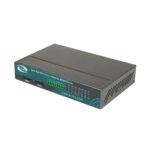
2) The Industrial-Grade 4G Router: Built for Mission-Critical Tasks
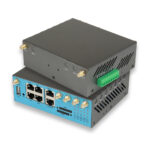
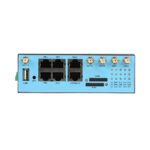
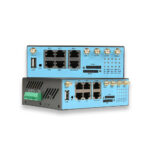
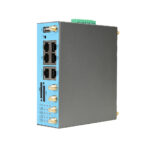
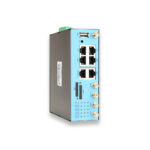
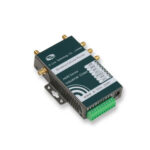
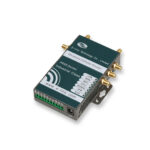
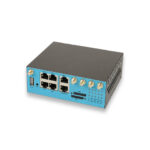
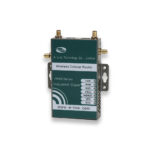
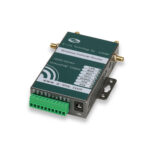
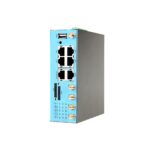
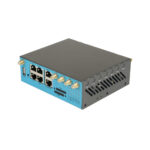
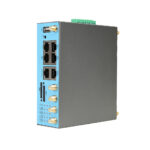
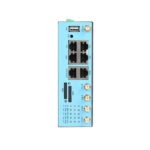
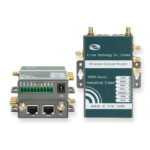
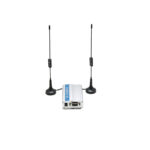
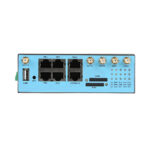
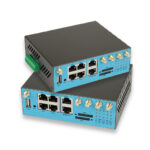
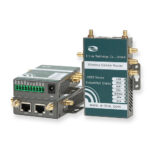
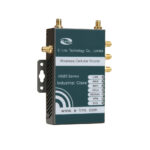
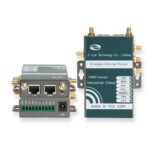
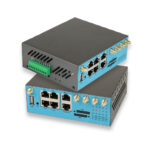
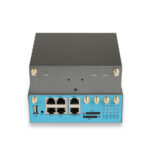
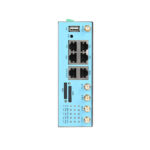
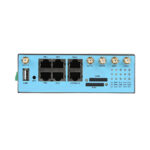
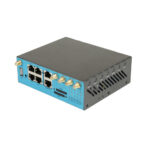
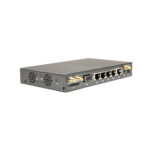
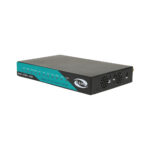
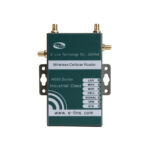
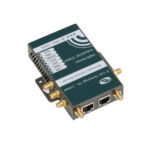
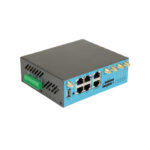
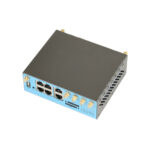
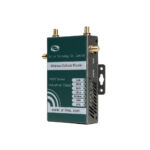
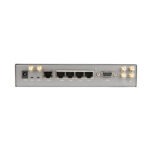
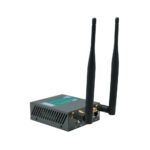
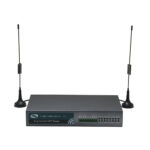
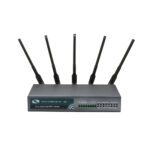
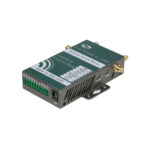
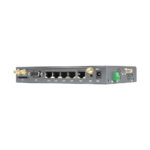
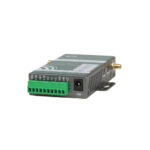
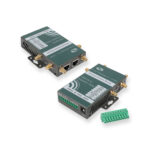
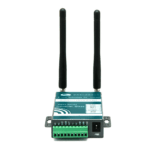
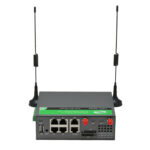
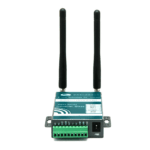
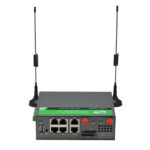
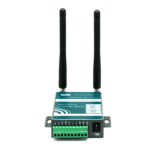
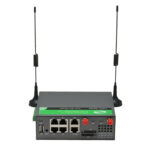
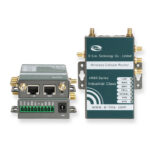
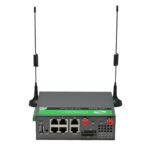
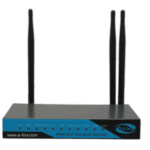
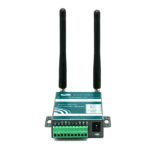
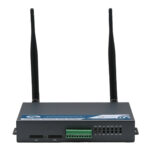
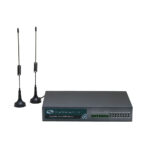
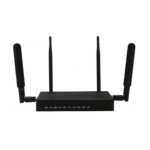
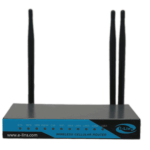
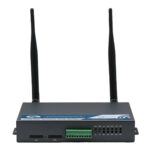
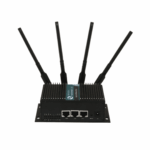
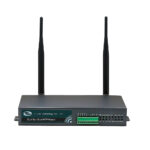
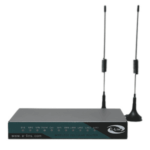
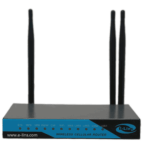
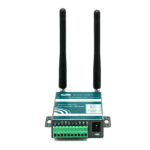
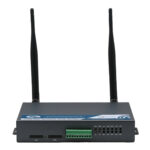
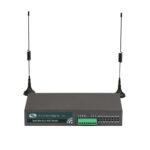
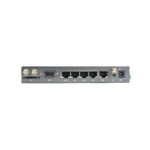
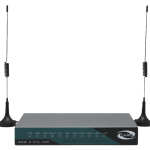
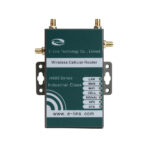
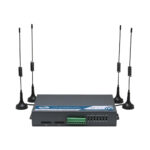
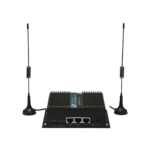
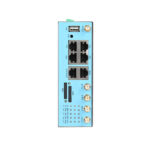
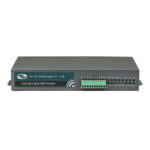
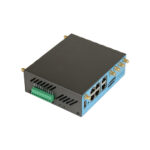
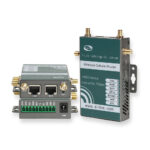
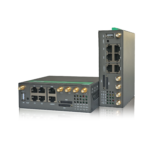
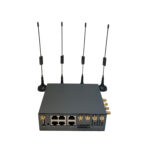
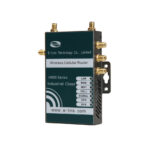
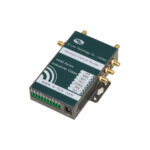
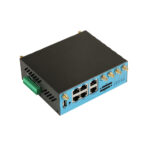
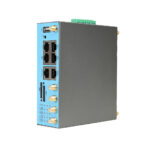
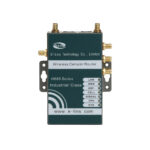
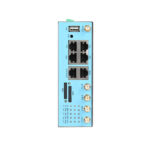
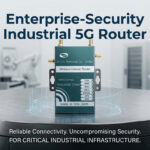
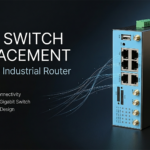
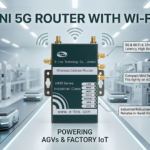
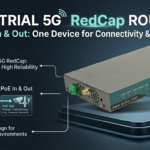
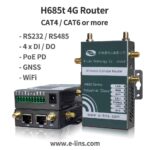
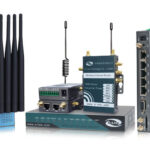
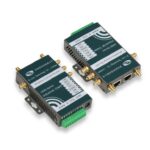
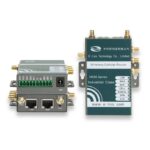
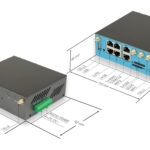
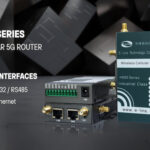
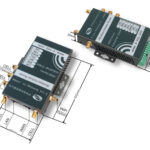
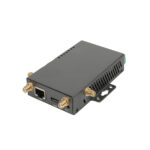
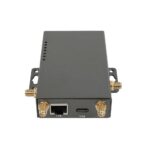
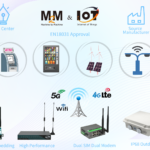
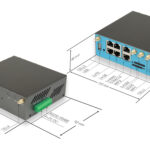
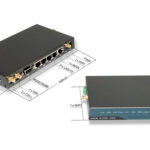
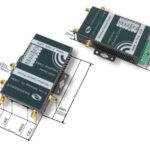
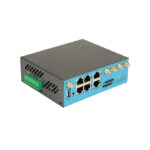
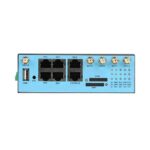
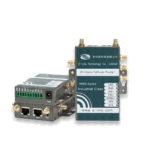
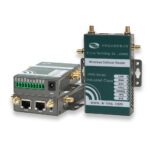
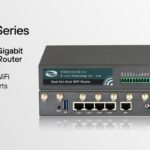
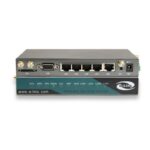
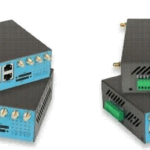
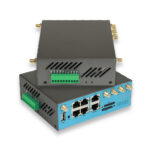
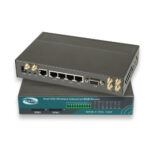
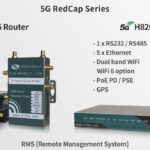
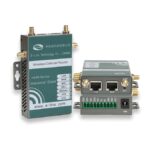
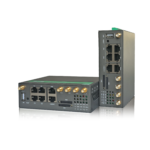
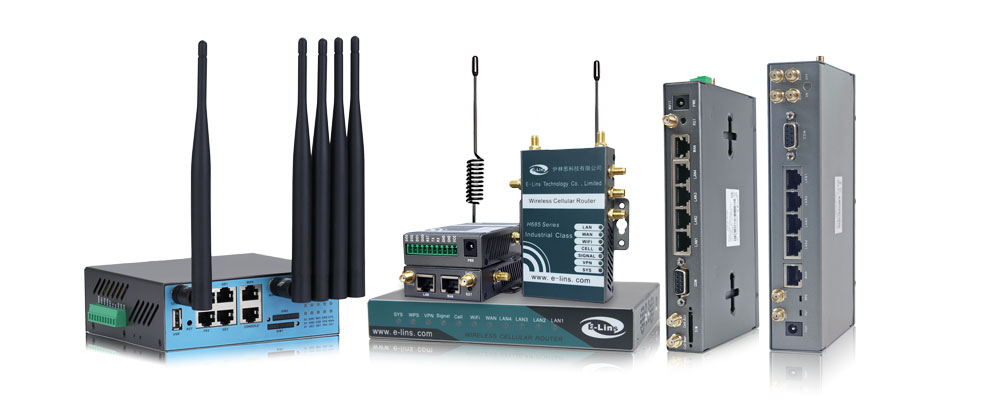
When the environment turns hostile or the cost of downtime is measured in thousands of dollars per minute, consumer hardware simply won’t suffice. Industrial routers like the E-Lins H900t is engineered for extreme reliability.
1. Rugged Design and Environmental Tolerance
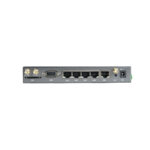
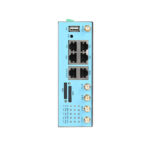
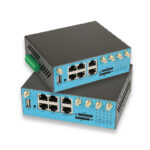
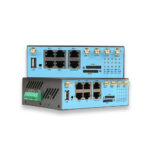
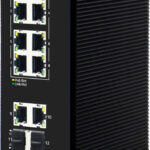
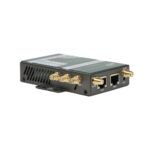
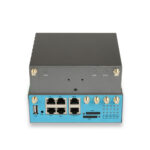
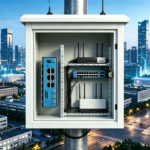
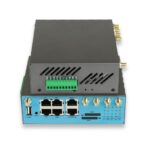
Industrial routers are often housed in metal enclosures to dissipate heat and resist physical impacts. They are designed to function in a much wider temperature range—from freezing cold to scorching heat—making them suitable for outdoor cabinets, factory floors, and agricultural settings. Many also carry an IP rating for dust and water resistance.
2. Advanced Network Security and VPN
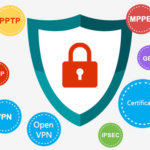
Businesses cannot risk data breaches. Industrial routers come equipped with enterprise-grade security protocols. They support multiple concurrent VPN tunnels (OpenVPN, IPsec) to encrypt data transmitted from remote sites back to the headquarters. This ensures that if the router is used to monitor a pipeline or manage a point-of-sale system, the data cannot be intercepted.
3. Automation and Control Interfaces
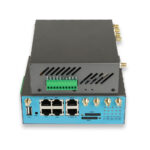
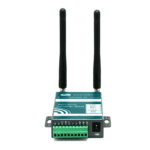
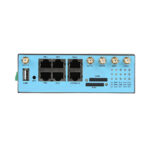
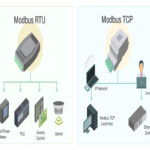
A key differentiator is the inclusion of industrial I/O (Input/Output) pins. These allow the router to interact with the physical world. For example, a sensor can trigger the router to send an SMS alert if a door is opened or if temperature exceeds a threshold. Additionally, they support protocols like Modbus, which is the standard communication language for industrial automation.
3) Use Case Scenarios: Choosing the Right Tool
To clarify the distinction, let’s look at specific scenarios and determine which class of router is appropriate.
1. Scenario A: The Digital Nomad in a Van
- Requirement: Portable, battery-efficient, and easy to top up with data.
- Verdict: Consumer/Portable Grade.
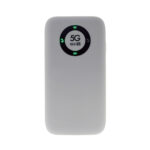
A battery-powered Mi-Fi router or a compact plug-in unit is ideal. It needs to be small, support multiple device connections (laptop, tablet), and accept prepaid SIM cards from local carriers as the user crosses borders. Features like eSIM support are becoming highly valuable here.
2. Scenario B: Remote Oil Pipeline Monitoring
- Requirement: 24/7 uptime, remote management, and sensor integration.
- Verdict: Industrial Grade.
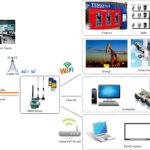
This site likely has no Wi-Fi users, just sensors and controllers. The router must support a wide voltage input to handle fluctuating solar power, use SMS commands for rebooting if the network goes down, and securely tunnel data back to the office. A device like the E-Lins H900t, with its industrial reliability, is mandatory.
3. Scenario C: Suburban Home with Unreliable DSL
- Requirement: High speed, easy setup, whole-home coverage.
- Verdict: Consumer Grade.
The user needs a device that replaces their old modem. It must provide robust Wi-Fi coverage for phones, laptops, and smart TVs. The setup should be simple enough that they don’t need to call a technician. The AI-based traffic management found in consumer routers ensures that a large Steam download doesn’t ruin the Netflix stream for someone else in the house.
4) Making the Final Decision
When deciding between a consumer and an industrial 4G Wi-Fi router, ask yourself these three questions:
- Where will it live? (Indoors in a climate-controlled room vs. outdoors in a shed)
- Who will manage it? (A family member using an app vs. an IT manager using a remote management system like RMS)
- What happens if it breaks? (A minor inconvenience vs. a major operational shutdown)
Your answers will guide you to the correct category. Remember, buying an industrial router for home use is often overkill and a waste of money, while buying a consumer router for a factory floor is a recipe for disaster.
5) FAQ – Industrial and Home Routers
Q1: Can I use a standard home 4G router outdoors?
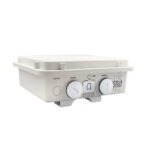
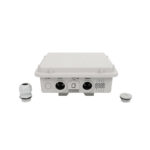
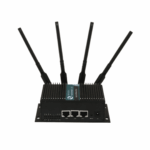
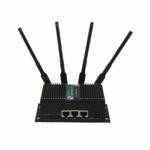
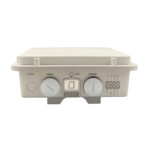
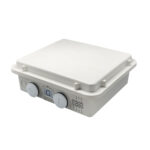
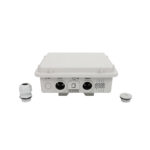
Generally, no. Standard electronics are not weather-sealed. Exposure to moisture, dust, and extreme temperature swings will quickly destroy a consumer router. For outdoor use, you need a unit specifically rated for outdoor conditions, such as the E-Lins HH820QOt, which features an IP66 weatherproof rating.
Q2: What is the advantage of having multiple SIM slots?
Some industrial routers feature dual-SIM slots. This allows for failover between different network carriers. If the primary network goes down in your area, the router can automatically switch to a secondary carrier to maintain connectivity. This is critical for emergency services and financial transactions.
Q3: Are industrial routers harder to set up?
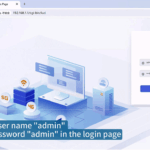
They can be more complex due to the sheer number of features (VPNs, firewalls, SMS controls). However, many manufacturers provide quick setup wizards for basic functionality. For advanced features, familiarity with networking concepts like routing tables and IPsec is required.
Q4: Can I add a mesh system to an industrial router?
Yes, but it is uncommon. Industrial routers are typically used to provide a wired backhaul to the devices that matter (servers, cameras). If you need extensive Wi-Fi coverage in an industrial setting, you would usually connect commercial-grade access points to the router’s Ethernet ports rather than relying on the router’s built-in Wi-Fi.
Are you source an 4G Wi-Fi Router? E-Lins will be an excellent choice for you. Founded since 1999, specialized on manufacturing industrial 4g Wi-Fi routers.