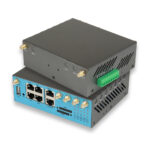
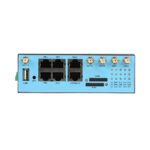
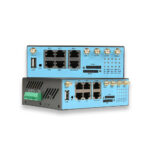
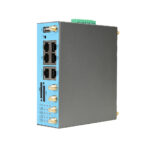
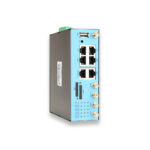
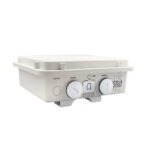
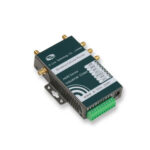
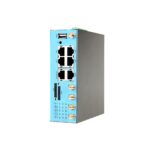

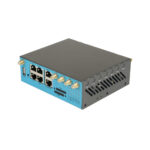
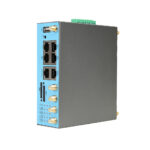
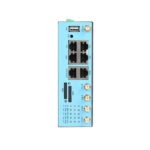
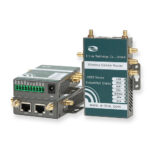
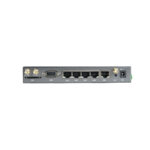
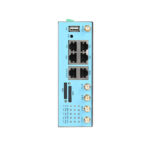
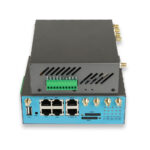
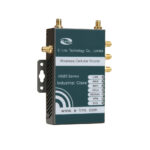
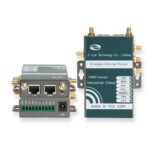
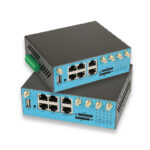
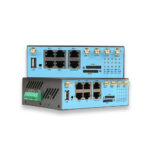
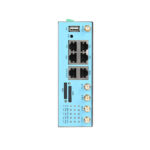
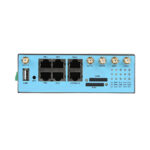
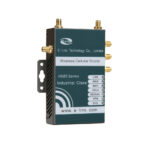
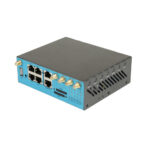
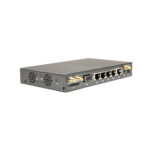
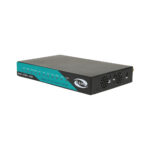
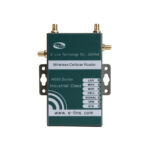
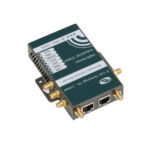





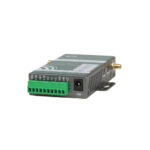
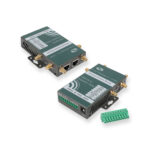
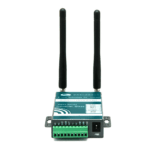
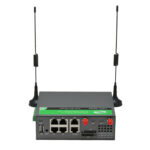
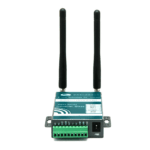
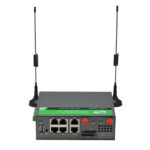
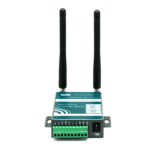
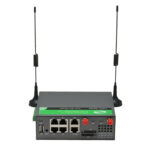
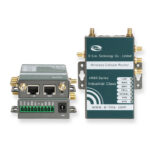
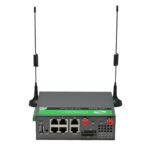

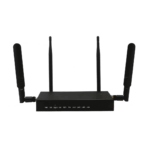
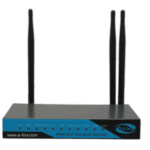
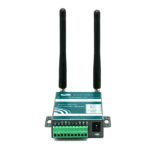
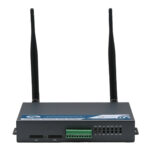
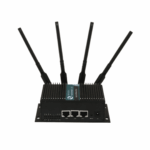

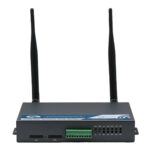
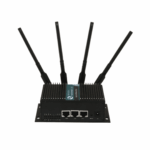
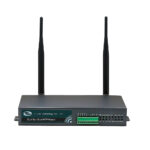

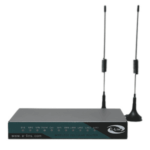
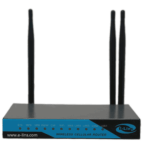
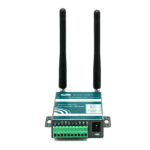
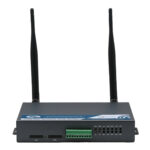
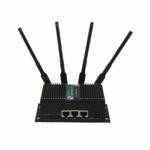
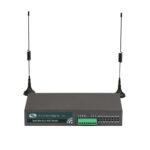
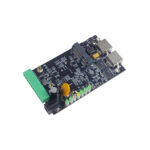
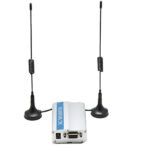
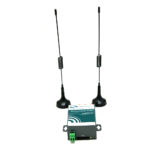
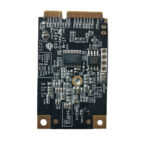
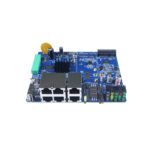
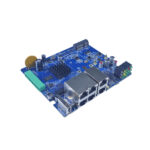
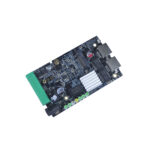
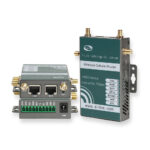
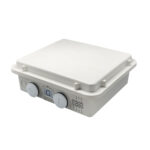
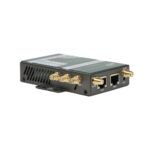
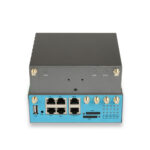
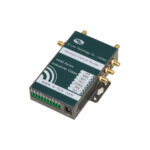
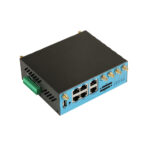
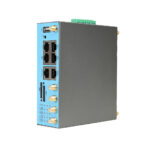
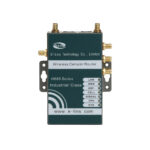



















































Why the Industrial 4G SIM Modem is the Cornerstone of Industry 4.0
The fourth industrial revolution is being built on data. As factories evolve into smart facilities and infrastructure spreads across remote geographies, the reliance on robust, always-on connectivity has never been greater. At the heart of this transformation lies a critical piece of hardware: the industrial 4G SIM modem.
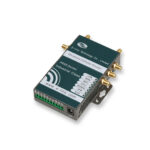
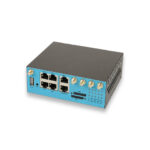
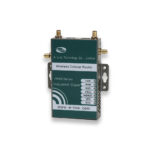
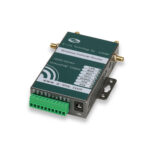
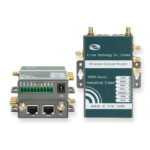
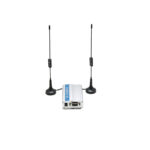
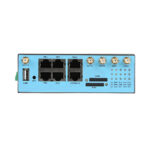
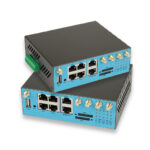
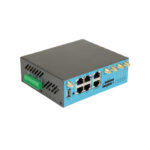
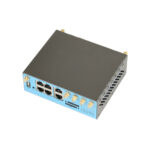
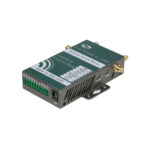
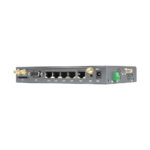
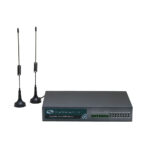
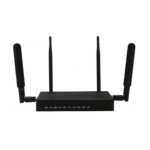
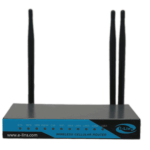
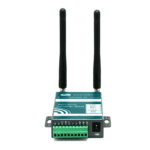
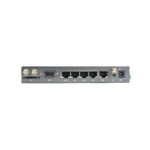
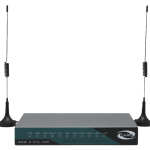
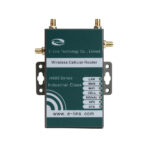
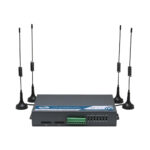
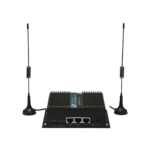
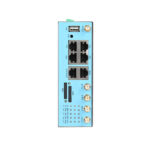
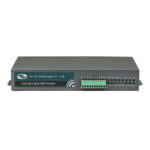
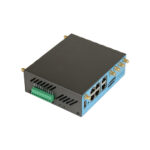
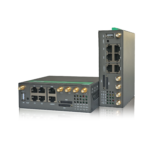
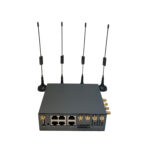
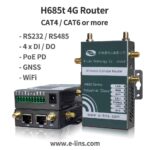
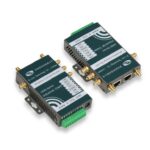
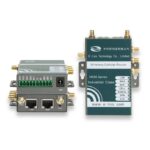
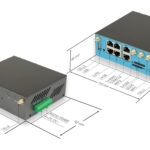
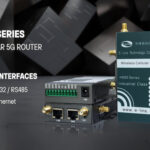
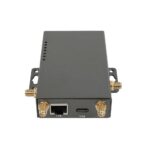
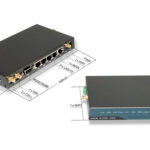
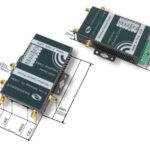
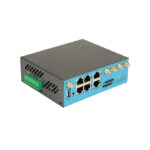
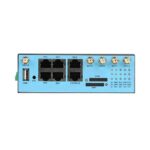
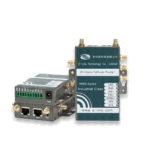
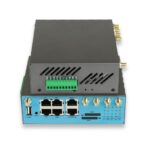
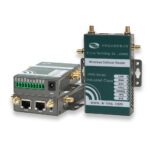
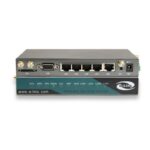
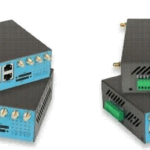
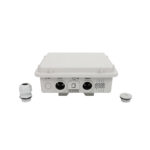
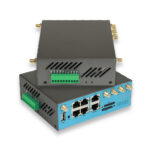
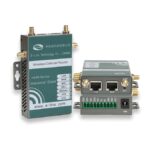
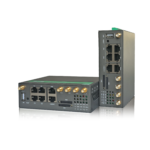
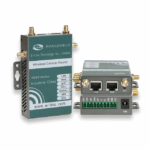
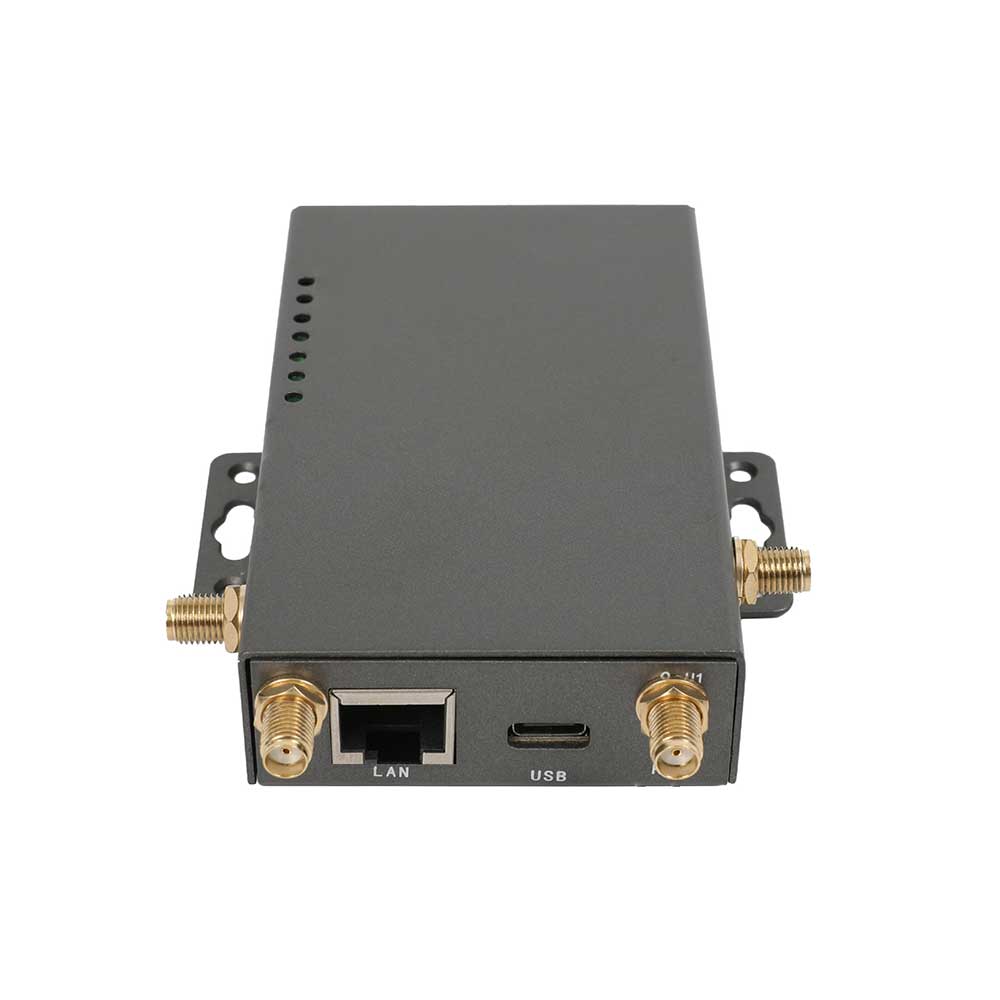
Unlike the routers and dongles found in home offices, an industrial 4G SIM modem is a ruggedized, mission-critical device designed to bridge the gap between operational technology (OT) and the cloud. It serves as the neural link for Programmable Logic Controllers (PLCs), sensors, and Human-Machine Interfaces (HMIs) in environments where fiber optics cannot reach or Wi-Fi fails to penetrate.
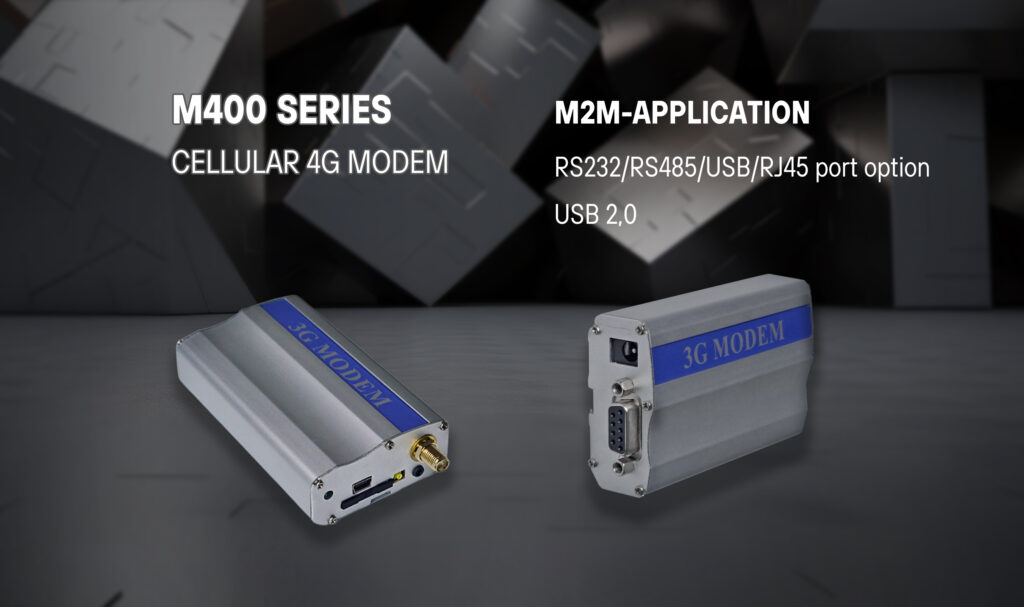
This article explores the technical anatomy of these devices, their evolution from simple data relays to intelligent edge nodes, and how they are solving real-world challenges in energy, manufacturing, and logistics.
1) Differentiating Industrial Grade from Consumer Grade
One of the most common pitfalls in industrial IoT deployments is the use of consumer-grade hardware in critical environments. While a standard 4G modem might work temporarily in a benign indoor setting, it will almost certainly fail in a factory or an offshore installation.
1. Environmental Resilience
Industrial 4G SIM Modem is built to survive. They typically feature wide-temperature tolerance, operating reliably in ranges from -40°C to +75°C. Furthermore, they adhere to stringent ingress protection (IP) ratings, such as IP67, making them impervious to dust, water, and vibration. This “three-proof” design (dustproof, waterproof, shockproof) is non-negotiable for deployments in oil fields, shipyards, or roadside tolling cabinets where environmental stress is constant.
2. Network Stability and Redundancy
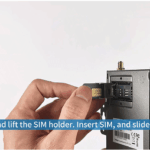
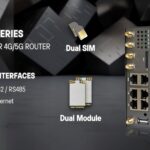
Consumer devices are prone to suspension policies and shared network access that can drop connections unexpectedly. In contrast, industrial modems often feature dual-SIM card slots. This allows for automatic failover; if the primary carrier experiences an outage, the modem seamlessly switches to a secondary network to ensure that remote surveillance or pipeline monitoring remains uninterrupted.
2) Advanced Hardware Architecture and Interfaces
The utility of an industrial 4G SIM modem extends far beyond providing a Wi-Fi hotspot. These devices are designed to interface directly with industrial machinery.
1. Serial Connectivity and Protocol Support
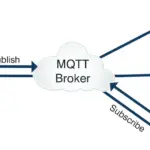
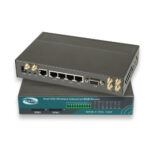
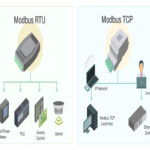
Legacy industrial equipment, such as older Siemens S7-200 PLCs, often communicate via RS232 or RS485 serial interfaces using protocols like Modbus RTU. Modern industrial modems feature built-in protocol conversion engines. They can read data from these serial ports, encapsulate it into MQTT or TCP/IP packets, and transmit it securely to the cloud. This “language translation” capability breathes digital life into brownfield sites without requiring expensive machinery overhauls.
2. I/O Integration for Local Control
Beyond data logging, advanced units include discrete Digital Inputs and Digital Outputs (DI/DO). This allows the modem to interact directly with field devices. For example, a digital input can monitor a door sensor or a flow meter alarm, while a digital output can be triggered remotely to shut down a valve or activate a strobe light without needing a separate PLC.
3) The Shift Towards Edge Intelligence and Security
The role of the cellular modem is shifting from a passive “data porter” to an active “intelligent node.” As cyber threats become more sophisticated, the hardware itself must become part of the security perimeter.
1. On-Device Data Processing
Sending every raw data point from a sensor to the cloud is expensive in terms of both battery life and bandwidth. New-generation industrial modems utilize more powerful chipsets (moving from Cortex-M3 to M7 architectures) to perform edge computing. They can execute “change reporting”—only transmitting data when a value, such as temperature, fluctuates beyond a defined threshold. This reduces cloud data volume by up to 80% while ensuring critical anomalies are immediately flagged.
2. Integrated Security and VPNs
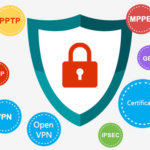
Security in industrial networks is paramount. Industrial 4G SIM modems now come equipped with defense-in-depth strategies. This includes hardware-level security, encrypted communication channels (SSL/TLS 1.3), and application-layer authentication. Furthermore, built-in VPN clients (like OpenVPN) create secure tunnels back to central SCADA systems, ensuring that sensitive operational data traversing public 4G networks remains protected from eavesdropping or man-in-the-middle attacks.
4) Navigating the 4G Spectrum
One of the most technically challenging aspects of deploying industrial modems globally is frequency band compatibility. The 4G spectrum is a fragmented landscape; a modem that works perfectly in Germany might fail to register on a network in Brazil if it lacks the correct band support.
The “Band War”
Engineers must adhere to a “core bands + regional customization” strategy. For global coverage, devices should support a baseline of LTE-FDD bands B1/B3/B5/B8 and LTE-TDD bands B38/B39/B40/B41. However, regional nuances exist. For instance, North America relies heavily on Band 13 (700 MHz) for penetration through concrete, while Europe utilizes Band 20 (800 MHz) for rural coverage. Deploying in Southeast Asia often requires Band 28 to achieve 99% availability.
5) Conclusion
The industrial 4G SIM Modem is far more than a simple communication device; it is the hardened, intelligent edge gateway that enables the Industrial Internet of Things. By prioritizing industrial-grade components, advanced security, and protocol flexibility, businesses can ensure that their remote operations remain connected, secure, and intelligent.
6) FAQ About Industrial 4G SIM Modems
1. Q1: What is the difference between a 4G industrial router and a 4G industrial modem?
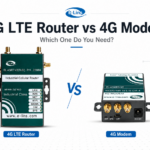
A: While the terms are often used interchangeably, a modem typically refers to the device that modulates/demodulates the signal to connect to the cellular network. An industrial router usually includes this modem functionality but adds routing capabilities, allowing multiple Ethernet or Wi-Fi devices to share the cellular connection, along with features like firewalls and DHCP servers.
2. Q2: How do I set up the APN on my industrial modem?
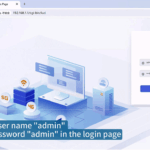
A: The Access Point Name (APN) is the gateway between the cellular network and the internet. You must obtain the correct APN settings from your Mobile Network Operator (MNO). Configuration is usually done via the modem”s web-based interface or by sending AT commands. You will need to enter the APN, and sometimes a username and password, to establish a data connection.
3. Q3: Can I use a standard smartphone SIM card in an industrial 4G modem?
A: Technically yes, but it is highly discouraged. Consumer SIMs are often subject to fair usage policies, traffic shaping, and suspension during periods of high network congestion. For mission-critical applications, you need an M2M (Machine to Machine) SIM that offers a static IP, guaranteed network availability, and management platforms for monitoring large fleets of devices.
4. Q4: Why is my industrial modem losing connection frequently?
A: Intermittent connectivity can be caused by several factors: (1) Weak signal strength—consider high-gain external antennas. (2) Incorrect band support—the modem may not support the specific frequency used by the local tower. (3) SIM card issues—the data plan may have reached its limit. (4) Power supply instability—industrial environments require stable power to prevent brownouts.
5. Q5: What is the typical power consumption of an industrial 4G modem?
A: This varies by model and usage. During active data transmission, they may draw 100-200mA, but in idle or low-power modes, they can drop to a standby current of less than 3mA. This low-power design is essential for solar-powered or battery-backed remote sites, enabling years of operation in smart metering applications.
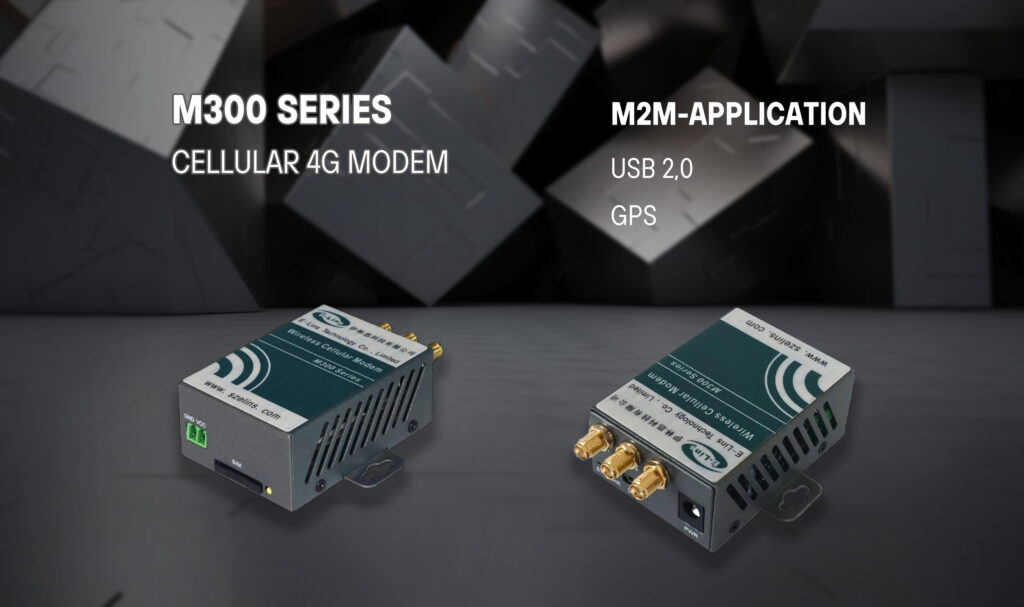
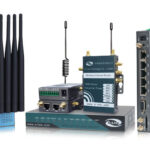
Are you ready to deploy an industrial 4G SIM Modem? Take a quick view of E-Lins, a IoT expert providing many excellent industrial 4g sim modems.