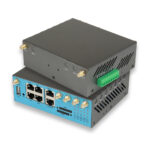
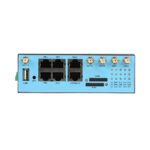
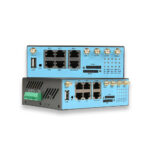
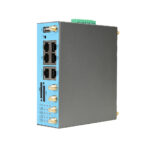

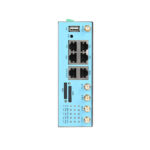
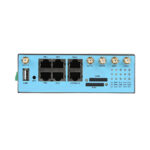
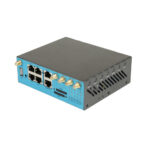
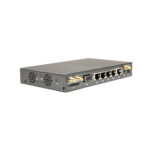
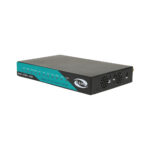
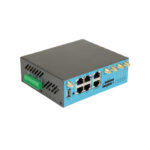
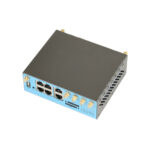

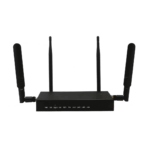
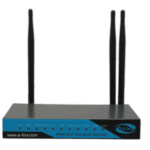
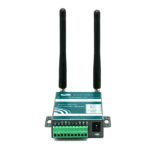
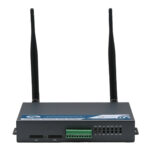
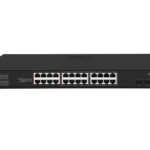
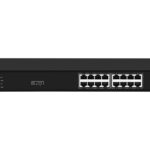
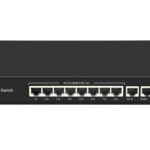
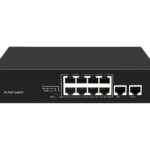
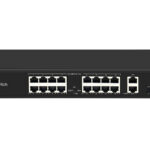
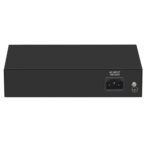
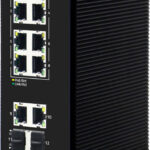
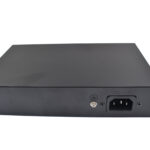
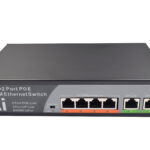
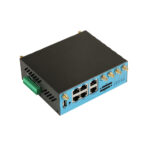
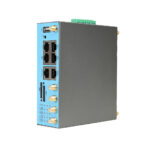
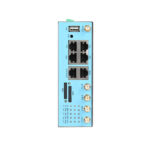









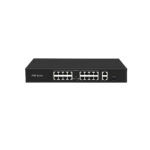

















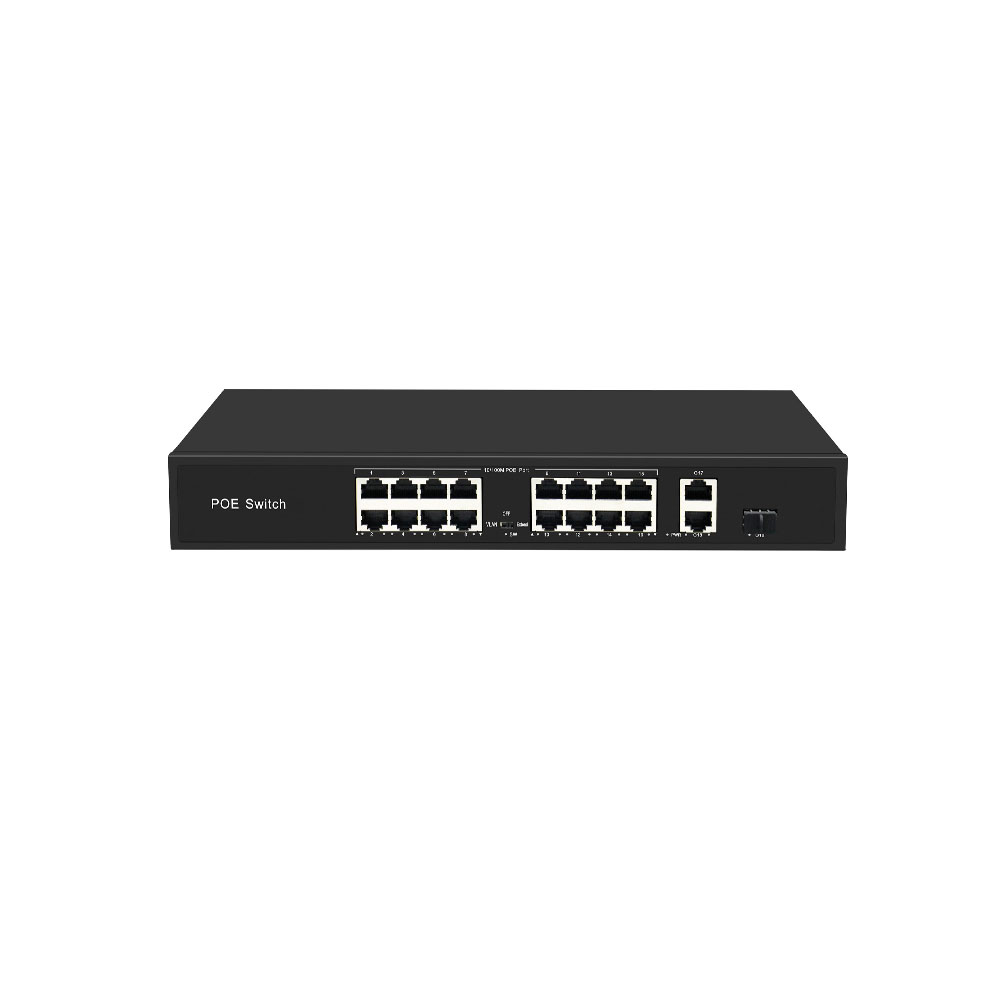
In the fast-paced digital era, enterprises rely heavily on robust, efficient, and secure network infrastructures to support daily operations, connect remote teams, and power a growing array of IoT devices. From IP cameras and wireless access points (WAPs) to VoIP phones and smart office equipment, modern businesses require a network solution that can deliver both data and power seamlessly while offering the control and flexibility to adapt to changing needs. This is where a Managed PoE Switch emerges as a game-changer. Unlike unmanaged PoE switches that offer basic plug-and-play functionality, managed PoE switches provide granular control, advanced security features, and real-time monitoring capabilities—making them the ideal choice for medium to large enterprises, campuses, and multi-location businesses. In this blog, we’ll dive deep into what a managed PoE switch is, its core features, the tangible benefits it brings to enterprises, and answer the most common questions to help you make an informed decision for your network.

What Is a Managed PoE Switch?
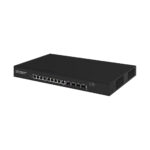
First, let’s break down the basics: PoE (Power over Ethernet) technology allows network cables to transmit both data and electrical power to compatible devices, eliminating the need for separate power cords and outlets. This simplifies deployment, reduces wiring costs, and enables flexible placement of devices in hard-to-reach areas—such as ceiling-mounted IP cameras or wall-mounted VoIP phones. A Managed PoE Switch takes this functionality a step further by adding intelligent management capabilities that give network administrators full control over the switch and the devices connected to it. Unlike unmanaged PoE switches, which operate on a “set-it-and-forget-it” basis, managed PoE switches can be configured, monitored, and optimized remotely, making them suitable for complex networks that require high availability, security, and performance.
At its core, a managed PoE switch acts as the “brain” of your network, allowing you to segment traffic, prioritize critical applications, monitor power usage, and troubleshoot issues in real time. It supports industry-standard protocols like SNMP (Simple Network Management Protocol), VLAN (Virtual Local Area Network), QoS (Quality of Service), and ACL (Access Control List)—all of which are essential for managing large-scale enterprise networks efficiently. Whether you’re running a corporate office, a university campus, or a chain of retail stores, a managed PoE switch provides the reliability and control you need to keep your network running smoothly.
1) Core Features of a Managed PoE Switch: What Sets It Apart
Managed PoE switches come packed with advanced features designed to address the unique needs of enterprise networks. Below are the most critical features that make them indispensable for modern businesses:
1. Centralized Management and Remote Access
One of the biggest advantages of a managed PoE switch is centralized management. Administrators can access the switch’s web-based interface, CLI (Command Line Interface), or network management software (NMS) from anywhere with an internet connection. This means you can configure ports, adjust power settings, monitor network traffic, and troubleshoot issues without being physically present at the switch location. For businesses with multiple locations, this feature saves time and resources by eliminating the need for on-site IT support at each site. Many modern managed PoE switches also support cloud-based management, allowing you to manage all your switches from a single dashboard—simplifying network administration even further.
2. PoE Power Management and Budget Control
Managed PoE switches offer precise control over PoE power delivery, including a dedicated PoE budget (the total amount of power the switch can supply to connected devices). Administrators can monitor the power usage of each port in real time, set power limits for individual devices, and prioritize power to critical equipment—such as security cameras or emergency VoIP phones—ensuring they never lose power during peak usage. This level of control prevents power overloads, reduces energy waste, and extends the lifespan of connected devices. For example, if a switch has a 370W PoE budget, you can allocate 30W to each of 12 IP cameras (totaling 360W) and reserve 10W for a backup VoIP phone, ensuring optimal power distribution.
3. Advanced Security Features
Enterprise networks face constant threats from cyberattacks, unauthorized access, and data breaches. Managed PoE switches address these risks with robust security features, including VLAN segmentation, ACLs, 802.1X authentication, and DHCP snooping. VLAN segmentation allows you to divide your network into separate virtual networks, isolating sensitive data (such as financial records) from general traffic (such as employee internet usage) and reducing the risk of unauthorized access. ACLs let you control which devices can access specific parts of the network, while 802.1X authentication requires users and devices to provide credentials before connecting—preventing rogue devices from accessing your network. DHCP snooping protects against DHCP spoofing attacks, ensuring that only authorized DHCP servers can assign IP addresses to devices.
4. QoS (Quality of Service) Prioritization
In enterprise networks, not all traffic is equal. Critical applications like VoIP calls, video conferencing, and real-time data transfer require high bandwidth and low latency to function properly, while non-critical traffic (such as email or web browsing) can tolerate slight delays. Managed PoE switches use QoS to prioritize traffic, ensuring that critical applications get the bandwidth they need. Administrators can set QoS rules based on device type, application, or IP address—for example, prioritizing VoIP traffic over web browsing to ensure clear, uninterrupted calls. This feature is especially important for businesses that rely on real-time communication or cloud-based applications.
5. Scalability and Flexibility
As businesses grow, their network needs evolve. Managed PoE switches are designed to scale with your business, supporting additional ports, higher PoE budgets, and advanced features as your network expands. Many managed PoE switches offer stackable design, allowing you to connect multiple switches together and manage them as a single unit—reducing complexity and increasing scalability. They also support future PoE standards (such as PoE+ and PoE++) to power newer, high-power devices like 4K IP cameras, AI-enabled sensors, and smart lighting systems. This flexibility ensures that your network can adapt to new technologies and growing demands without requiring a complete overhaul.
2) Key Benefits of Using a Managed PoE Switch for Enterprises
The advanced features of managed PoE switches translate into tangible benefits for enterprises, including cost savings, improved efficiency, enhanced security, and better user experience. Let’s explore these benefits in detail:
1. Reduced Deployment and Maintenance Costs
By combining data and power transmission into a single Ethernet cable, managed PoE switches eliminate the need for separate power cords, outlets, and electrical contractors—reducing upfront deployment costs by up to 30% compared to traditional wired networks. Additionally, centralized management and remote troubleshooting reduce maintenance costs by minimizing the need for on-site IT support. For example, if a VoIP phone stops working, an administrator can remotely check the PoE power status of the port, reset the port, or adjust power settings—resolving the issue in minutes without sending a technician to the site.
2. Improved Network Reliability and Uptime
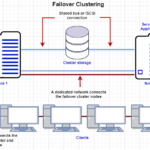
Managed PoE switches offer built-in redundancy features, such as link aggregation and failover, which ensure that your network remains operational even if a port or cable fails. Link aggregation allows you to combine multiple ports into a single logical link, increasing bandwidth and providing backup if one port fails. Failover features automatically switch to a backup power source or network path if the primary one fails, minimizing downtime. Real-time monitoring also allows administrators to detect and resolve issues before they affect network performance—reducing downtime and ensuring that critical applications remain available.
3. Enhanced Security and Compliance
With advanced security features like VLAN segmentation, ACLs, and 802.1X authentication, managed PoE switches help businesses protect sensitive data and comply with industry regulations (such as HIPAA, PCI-DSS, and GDPR). By isolating sensitive traffic and preventing unauthorized access, these switches reduce the risk of data breaches and cyberattacks. Additionally, detailed logging and reporting features allow administrators to track network activity, audit access, and generate compliance reports—making it easier to meet regulatory requirements.
4. Better User Experience
QoS prioritization ensures that critical applications like VoIP calls and video conferencing run smoothly, with minimal latency or dropped connections. This improves the user experience for employees, customers, and partners—increasing productivity and satisfaction. For example, a sales team using video conferencing to connect with clients will benefit from clear, uninterrupted calls, while remote employees will have reliable access to cloud-based tools and data.
3) FAQ: Common Questions About Managed PoE Switches
If you’re considering implementing a managed PoE switch in your enterprise, you likely have questions about its functionality, compatibility, and implementation. Below are answers to the most frequently asked questions:
1. What is the difference between a managed PoE switch and an unmanaged PoE switch?
The key difference is control and functionality. Unmanaged PoE switches are basic, plug-and-play devices that deliver PoE power and data without any configuration or monitoring capabilities. They are ideal for small networks (such as home offices or small retail stores) where simplicity is key. Managed PoE switches, on the other hand, offer centralized management, advanced security features, QoS prioritization, and real-time monitoring—making them suitable for larger, more complex enterprise networks that require control and scalability.
2. Can a managed PoE switch power all PoE-enabled devices?
Most managed PoE switches support IEEE 802.3af (PoE, up to 15.4W per port), IEEE 802.3at (PoE+, up to 30W per port), and some support IEEE 802.3bt (PoE++, up to 90W per port). This means they can power a wide range of devices, including IP cameras, VoIP phones, WAPs, smart lighting, and IoT sensors. However, it’s important to check the PoE budget of the switch and the power requirements of your devices to ensure compatibility. For example, a 4K IP camera may require 30W (PoE+), while a basic VoIP phone may only require 15.4W (PoE).
3. How do I manage a managed PoE switch remotely?
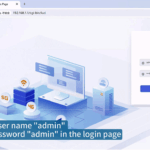
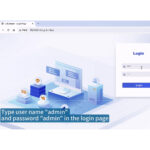
Managed PoE switches can be managed remotely via a web-based interface, CLI, or cloud-based management software. Most switches come with a built-in web interface that you can access by entering the switch’s IP address in a web browser. For cloud-based management, you can use a vendor-specific cloud platform to manage multiple switches from a single dashboard. Some switches also support SNMP, which allows you to integrate them with third-party network management tools.
4. Is a managed PoE switch worth the investment for small to medium businesses (SMBs)?
While managed PoE switches are more expensive than unmanaged switches, they are often worth the investment for SMBs that plan to grow or rely on critical applications (such as security or real-time communication). The centralized management, security features, and scalability of managed PoE switches can save SMBs time and money in the long run by reducing maintenance costs, preventing downtime, and supporting future growth. For SMBs with simple network needs, an unmanaged PoE switch may be sufficient, but for those looking to scale and improve network performance, a managed PoE switch is a better choice.
5. Can I use a managed PoE switch with non-PoE devices?
Yes! Managed PoE switches can connect to non-PoE devices (such as computers, servers, or printers) without any issues. The switch will automatically detect whether a device requires PoE power and only deliver power to compatible devices. Non-PoE devices will simply use the switch for data transmission, just like a standard network switch. This flexibility allows you to mix PoE and non-PoE devices on the same network, making it easier to upgrade your network over time.
6. How do I choose the right managed PoE switch for my enterprise?
When choosing a managed PoE switch, consider the following factors: (1) PoE budget: Ensure the switch has enough power to support all your PoE devices. (2) Port count: Choose a switch with enough ports for your current devices and room for growth. (3) Features: Look for features that match your needs, such as VLAN, QoS, ACL, and cloud management. (4) Scalability: Choose a switch that can scale with your business (e.g., stackable design). (5) Vendor support: Select a reputable vendor with reliable customer support and firmware updates.
In conclusion, a managed PoE switch is a powerful tool for enterprises looking to optimize their network efficiency, enhance security, and support growing IoT needs. With its advanced features and tangible benefits, it’s an investment that pays off in reduced costs, improved reliability, and better user experience. By understanding its features, benefits, and FAQs, you can choose the right managed PoE switch to elevate your enterprise network to the next level.

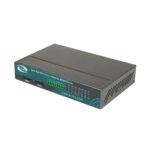
Are you sourcing a managed PoE switch? E-Lins will be an excellent choice for you. Founded since 1999, specialized on manufacturing managed PoE switches.