
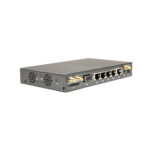
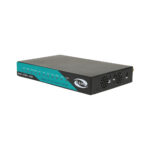
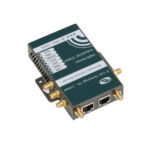
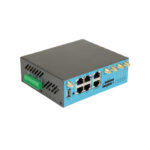
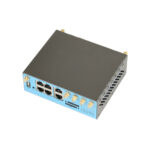




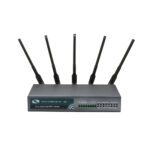
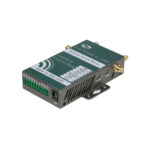
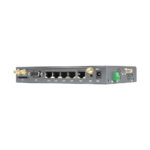
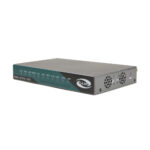
































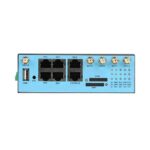
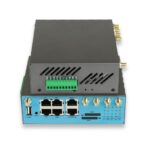


























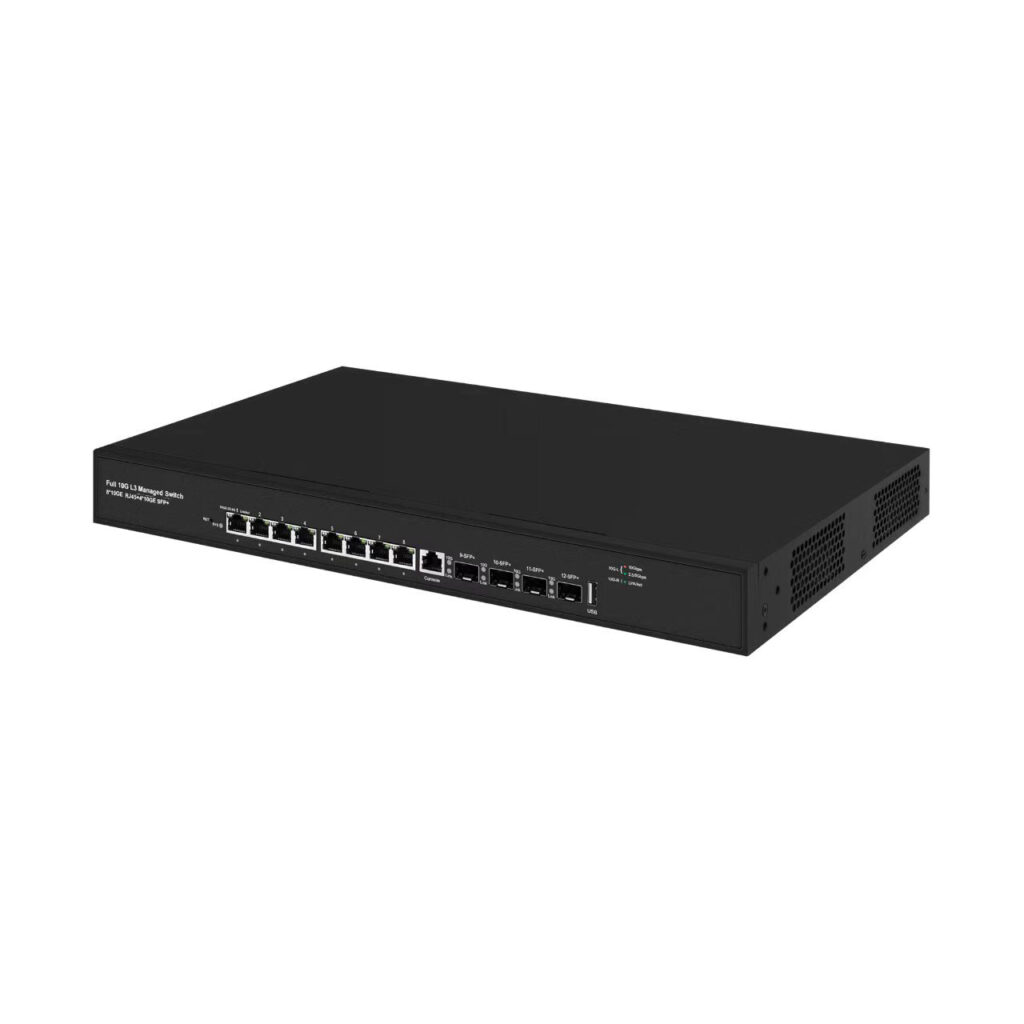
What is managed PoE Switch?
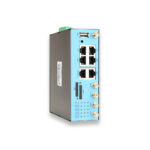
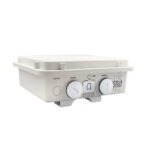
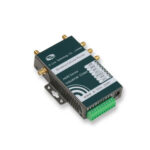
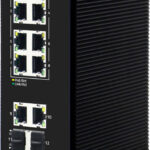
The Industrial Internet of Things (IIoT) is transforming the manufacturing, energy, and logistics industries, connecting machines, sensors, and systems to create smart, data-driven operations. From predictive maintenance and real-time monitoring to automated workflows and energy optimization, IIoT relies on a robust network infrastructure that can withstand harsh industrial environments, deliver consistent power and data, and support a large number of connected devices. This is where Industrial Managed PoE Switch comes into play. Unlike commercial managed PoE switches designed for office environments, industrial managed PoE switches are built to operate in extreme temperatures, humidity, dust, and vibration—while providing the same advanced management capabilities needed to control and optimize IIoT networks.

In this blog, we’ll explore how industrial managed PoE switches power IIoT deployments, their key industrial-grade features, real-world use cases, deployment best practices, and answer common questions to help you implement a reliable IIoT network.
1)Why Industrial IoT Needs a Specialized Managed PoE Switch
Industrial environments present unique challenges that commercial network equipment cannot handle. Factories, warehouses, power plants, and outdoor industrial sites often have extreme temperatures (ranging from -40°C to 75°C), high humidity, dust, vibration, and electrical interference—all of which can damage commercial switches and cause network downtime. Additionally, IIoT networks require high reliability, low latency, and secure connectivity to support critical operations like machine monitoring, safety systems, and automated production lines. A commercial managed PoE switch may work in a controlled office environment, but it will likely fail in an industrial setting, leading to costly downtime and lost productivity.
Industrial managed PoE switches are designed to address these challenges, with ruggedized hardware, industrial-grade components, and advanced features tailored to IIoT needs. They provide the same centralized management, PoE power control, and security features as commercial managed PoE switches— but with the durability and reliability required to thrive in harsh industrial environments. For IIoT deployments, this means seamless connectivity for sensors, cameras, industrial PCs, and other devices, ensuring that data is transmitted in real time and critical operations remain uninterrupted.
2)Key Industrial-Grade Features of Managed PoE Switches
Industrial managed PoE switches are engineered with features that make them suitable for harsh industrial environments and IIoT applications. Below are the most important industrial-grade features to look for:
1. Ruggedized Hardware and Wide Temperature Range
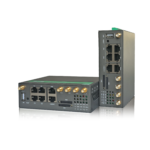
The most defining feature of industrial managed PoE switches is their ruggedized design. They are built with industrial-grade enclosures (often IP30 or higher) that protect against dust, dirt, and debris. They also support a wide operating temperature range—typically from -40°C to 75°C—allowing them to operate in extreme cold (such as outdoor energy plants in winter) and extreme heat (such as factories with high-temperature production processes). Additionally, they are designed to withstand vibration and shock, ensuring reliability in environments with heavy machinery or frequent movement.
2. Industrial-Grade PoE Power Delivery
IIoT devices such as industrial sensors, IP cameras, and wireless access points often require reliable PoE power, even in harsh conditions. Industrial managed PoE switches offer stable PoE power delivery with built-in protection features, such as overvoltage protection, overcurrent protection, and short-circuit protection—preventing damage to both the switch and connected devices. They also support high PoE budgets (up to 740W or more) and PoE++ (IEEE 802.3bt) to power high-demand industrial devices, such as AI-enabled cameras, robotic arms, and edge computing devices. Some industrial switches also offer “PoE redundancy,” ensuring that critical devices continue to receive power even if one power supply fails.
3. Enhanced Reliability and Redundancy
Downtime in industrial environments can be costly—often resulting in lost production, safety risks, and financial losses. Industrial managed PoE switches are designed for high reliability, with features like dual power supplies (AC/DC), link aggregation, and rapid spanning tree protocol (RSTP) or Ethernet Ring Protection Switching (ERPS). Dual power supplies ensure that the switch remains operational if one power source fails, while link aggregation provides backup for network links. RSTP and ERPS enable fast network recovery (in milliseconds) if a link or switch fails, minimizing downtime and ensuring that critical IIoT applications remain available.
4. Industrial-Specific Protocols and Compatibility
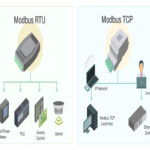
IIoT networks often use industrial communication protocols that are not supported by commercial switches, such as Modbus, Profinet, and DNP3. Industrial managed PoE switches support these protocols, allowing seamless integration with industrial control systems (ICS), programmable logic controllers (PLCs), and other industrial equipment. They also support standard network protocols like SNMP, VLAN, and QoS, ensuring compatibility with enterprise networks and cloud-based IIoT platforms.
5. Advanced Security for Industrial Networks
Industrial networks are increasingly targeted by cyberattacks, which can disrupt production, damage equipment, and compromise sensitive data. Industrial managed PoE switches offer robust security features tailored to industrial needs, including port security, MAC address filtering, 802.1X authentication, and encrypted communication (such as SSL/TLS). They also support industrial security standards like IEC 62443, which provides guidelines for securing industrial automation and control systems (IACS). These features help protect IIoT networks from unauthorized access, data breaches, and cyberattacks.
3)Real-World Use Cases: How Industrial Managed PoE Switches Power IIoT
Industrial managed PoE switches are used in a wide range of IIoT applications across industries. Below are some real-world use cases that demonstrate their value:
1. Smart Manufacturing and Factory Automation
In smart factories, industrial managed PoE switches connect a wide range of devices, including IP cameras for machine monitoring, sensors for predictive maintenance, and PLCs for automated production lines. The switches deliver PoE power to these devices, eliminating the need for separate power cords in busy factory floors. Centralized management allows administrators to monitor device status, adjust power settings, and troubleshoot issues remotely—reducing downtime and improving production efficiency. For example, a car manufacturing plant might use industrial managed PoE switches to power and connect 4K IP cameras that monitor assembly lines, sensors that track machine performance, and VoIP phones for on-floor communication—all managed from a central dashboard.
2. Energy and Utilities
Energy plants (solar, wind, and traditional power plants) and utility grids rely on IIoT to monitor and control equipment, ensure safety, and optimize energy production. Industrial managed PoE switches are deployed in outdoor and harsh environments to power and connect sensors, cameras, and remote terminal units (RTUs). They withstand extreme temperatures, humidity, and electrical interference, ensuring reliable connectivity for critical operations. For example, a wind farm might use industrial managed PoE switches to power and connect sensors on wind turbines that monitor speed, vibration, and temperature—transmitting real-time data to a central control system for predictive maintenance.
3. Logistics and Warehousing
Warehouses and distribution centers use IIoT to automate inventory management, track shipments, and optimize workflow. Industrial managed PoE switches power and connect devices like RFID readers, IP cameras, and automated guided vehicles (AGVs). The switches’ rugged design withstands the dust and vibration of busy warehouses, while QoS prioritization ensures that real-time data (such as AGV navigation) is transmitted without delay. For example, a large e-commerce warehouse might use industrial managed PoE switches to power RFID readers that track inventory, IP cameras that monitor shipping docks, and AGVs that transport goods—all connected to a central management system for real-time visibility and control.
4. Outdoor and Remote Industrial Sites
Outdoor industrial sites, such as construction sites, mining operations, and oil and gas facilities, require network equipment that can withstand harsh weather conditions. Industrial managed PoE switches are deployed in these sites to power and connect IP cameras, sensors, and communication devices. They are designed to resist rain, snow, dust, and extreme temperatures, ensuring reliable connectivity even in remote locations. For example, an oil rig might use industrial managed PoE switches to power and connect sensors that monitor oil flow and pressure, as well as IP cameras for security—transmitting data to a remote-control center.
4)Deployment Best Practices for Industrial Managed PoE Switches
To ensure the success of your IIoT deployment, follow these best practices when deploying industrial managed PoE switches:
1. Choose the Right Switch for Your Environment
Consider the environmental conditions of your industrial site (temperature, humidity, dust, vibration) and choose a switch with the appropriate ruggedization rating (IP rating, temperature range). For outdoor sites, choose a switch with an IP67 rating (waterproof and dustproof) and a wide temperature range. For indoor factories with dust and vibration, choose a switch with an IP30 rating and shock/vibration resistance.
2. Calculate Your PoE Budget Carefully
IIoT devices often have higher power requirements than office devices. Calculate the total power needed for all your connected devices (sensors, cameras, PLCs) and choose a switch with a PoE budget that exceeds this total by 20-30% to account for future growth and power spikes. For example, if your devices require a total of 300W, choose a switch with a 370W or 450W PoE budget.
3. Implement Redundancy for Critical Operations
For critical industrial operations, implement redundancy features such as dual power supplies, link aggregation, and RSTP/ERPS. This ensures that your network remains operational even if a power supply, port, or link fails. For example, use dual power supplies (AC and DC) to ensure the switch continues to operate if the main power source fails.
4. Secure Your Industrial Network
Industrial networks are prime targets for cyberattacks, so implement security features like VLAN segmentation, ACLs, 802.1X authentication, and encrypted communication. Isolate critical industrial control systems from the public internet and use firewalls to protect against unauthorized access. Regularly update the switch’s firmware to patch security vulnerabilities.
5. Plan for Scalability
IIoT deployments often grow over time, so choose a switch that can scale with your needs. Look for stackable switches or switches with expandable ports to add more devices as your IIoT network grows. Additionally, choose a switch that supports future PoE standards (PoE++) to power newer, high-demand devices.
5)FAQ: Common Questions About Industrial Managed PoE Switches
Implementing industrial managed PoE switches for IIoT can raise questions about their functionality, durability, and compatibility. Below are answers to the most frequently asked questions:
1. What is the difference between a commercial managed PoE switch and an industrial managed PoE switch?
The main differences are durability, environmental resistance, and industrial-specific features. Commercial managed PoE switches are designed for controlled office environments (temperature range: 0°C to 40°C) with no dust, vibration, or extreme conditions. They lack ruggedized enclosures and industrial protocols. Industrial managed PoE switches are built with ruggedized hardware, support wide temperature ranges (-40°C to 75°C), resist dust and vibration, support industrial protocols (Modbus, Profinet), and offer redundancy features critical for industrial operations.
2. Can industrial managed PoE switches operate in outdoor environments?
Yes! Many industrial managed PoE switches are designed for outdoor use, with IP67 or higher ratings that protect against rain, snow, dust, and moisture. They also support wide temperature ranges, allowing them to operate in extreme cold and heat. When deploying outdoor switches, ensure they are mounted in a protected location (such as a weatherproof enclosure) and use outdoor-rated Ethernet cables to ensure reliable connectivity.
3. How do industrial managed PoE switches handle electrical interference in industrial environments?
Industrial environments often have high levels of electrical interference from machinery, motors, and power lines. Industrial managed PoE switches are designed with electromagnetic interference (EMI) and radio frequency interference (RFI) shielding to minimize the impact of interference. They also use high-quality components and twisted-pair Ethernet cables to reduce signal loss and interference, ensuring reliable data transmission.
4. Can industrial managed PoE switches integrate with existing industrial control systems (ICS) and PLCs?
Yes! Industrial managed PoE switches support industrial communication protocols like Modbus, Profinet, and DNP3, which are commonly used in ICS and PLCs. This allows seamless integration with existing industrial equipment, enabling you to connect IIoT devices to your existing control systems. They also support standard network protocols (SNMP, VLAN) for integration with enterprise networks and cloud-based IIoT platforms.
5. What is the typical lifespan of an industrial managed PoE switch?
Industrial managed PoE switches are built with durable, industrial-grade components that have a longer lifespan than commercial switches. The typical lifespan is 5-10 years, depending on the environment and usage. This is significantly longer than commercial switches, which typically last 3-5 years. Regular maintenance (such as firmware updates and cleaning) can extend the lifespan even further.
6. How do I troubleshoot an industrial managed PoE switch in a remote location?
Industrial managed PoE switches offer remote management capabilities, allowing you to troubleshoot issues from anywhere with an internet connection. You can access the switch’s web interface or cloud management platform to check port status, power usage, network traffic, and error logs. Some switches also offer remote reboot and port reset features, allowing you to resolve minor issues without sending a technician to the site. For more complex issues, you can use SNMP to monitor the switch’s performance and generate alerts for potential problems.
Industrial managed PoE switches are the backbone of IIoT deployments, providing the durability, reliability, and control needed to power smart industrial operations. With their ruggedized design, industrial-grade features, and advanced management capabilities, they enable businesses to unlock the full potential of IIoT—improving efficiency, reducing downtime, and enhancing safety. By understanding their features, use cases, and best practices, you can implement a reliable and scalable IIoT network that drives innovation and growth in your industrial operations.

Do you need a reliable managed PoE switches? You could contact with E-Lins, a IoT expert, providing many excellent managed PoE switches.