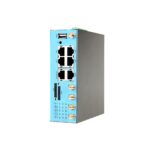

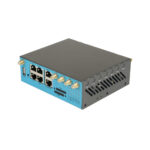
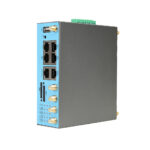
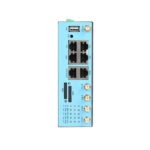
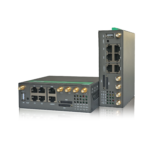
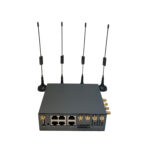
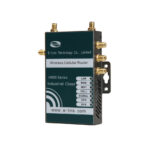
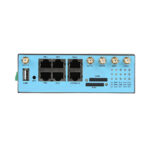
























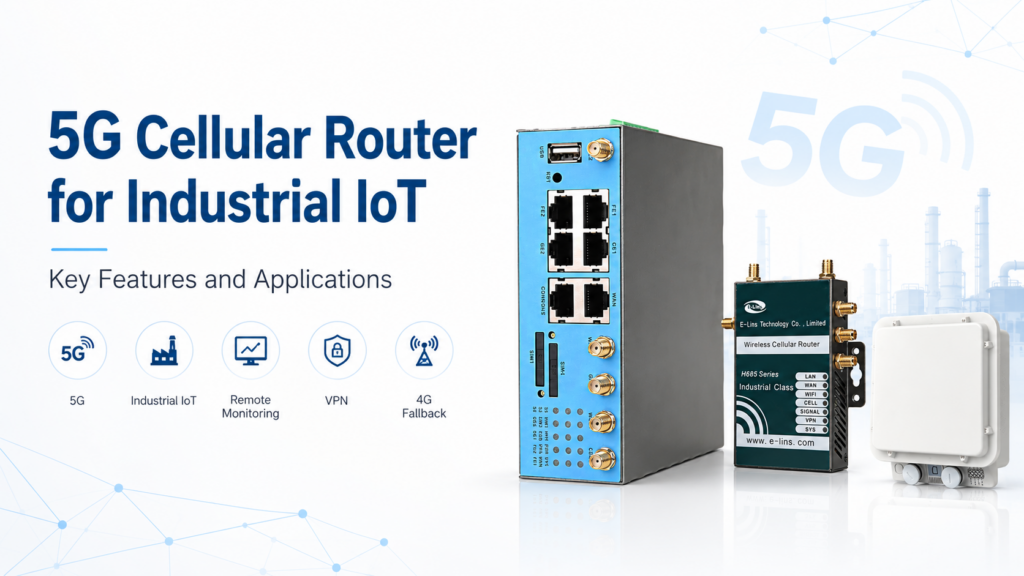
Industrial IoT projects need more than simple mobile internet access. Remote equipment, cameras, PLCs, meters, vehicle systems, edge devices, and monitoring platforms all require stable cellular networking, secure access, interface matching, and long-term maintainability. Therefore, selecting a 5G Router should be treated as part of the full network design, not only as a hardware purchase.
In practical deployments, a 5g cellular router must work with SIM cards, carrier coverage, APN settings, Ethernet ports, VPN methods, remote management tools, serial interfaces, power supply, antenna position, and mounting conditions. In addition, lifecycle planning matters because remote equipment is expensive to revisit after installation.
This article explains what a 5G cellular router does in industrial IoT, which functions matter most, where it is commonly used, how it differs from a 5G modem, and how to prepare a buying checklist before deployment.
What Is a 5G Cellular Router?
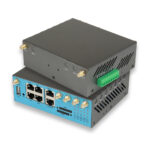
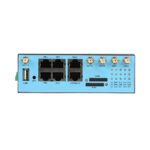
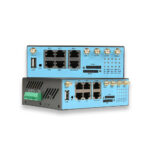
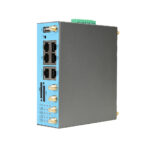
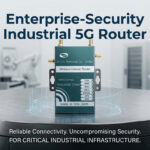
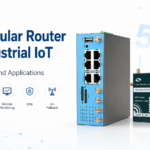
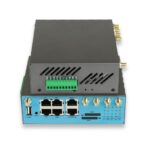
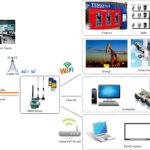
A 5g cellular router is an industrial network device that connects field equipment to the internet or a private network through mobile cellular service. In many projects, it works as the gateway between local industrial devices and a remote platform, control room, cloud system, or maintenance network.
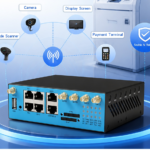
Unlike a simple internet access device, an industrial router usually handles routing, NAT, DHCP, firewall rules, VPN tunnels, SIM configuration, APN settings, remote login, and device status monitoring. Therefore, it is not only responsible for cellular access. It also controls how local equipment communicates with remote systems.
A 5G Cellular Router is especially useful when the site needs higher bandwidth, lower latency, stronger uplink capacity, or more flexible deployment than traditional wired broadband can provide. However, the final choice should still depend on the application, carrier network, installation environment, and required interfaces.
Simple explanation: a modem brings the cellular signal to a host device, while a router manages the network for multiple field devices. That is why industrial IoT projects usually need a router when PLCs, cameras, sensors, edge computers, or remote maintenance tools are involved.
Key Features That Matter in Industrial IoT
Industrial IoT applications often fail for practical reasons. The signal may be weak, the SIM plan may not match the APN, the VPN may not reconnect, or the antenna may be installed inside a metal cabinet. For that reason, a 5g cellular router should be reviewed based on real deployment conditions, not only by peak speed.
5G and 4G fallback
5G supports higher capacity, while 4G fallback helps keep the site online when 5G coverage changes.
SIM, carrier, and APN
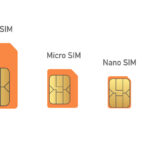
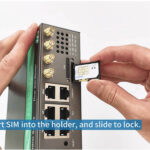
APN, fixed IP, private APN, CGNAT, carrier bands, and data plans should be confirmed early.
LAN, WAN, and Wi-Fi
Ethernet ports, WAN backup, DHCP, Wi-Fi access, and LAN planning affect device integration.
VPN and firewall
Secure tunnels and access rules help protect PLCs, cameras, controllers, and edge devices.
Remote management
Remote reboot, logs, firmware updates, and configuration backup reduce field visits.
Industrial installation
Power input, enclosure, antenna connector, DIN rail, wall mount, and temperature range matter.
Network Stability and Fallback
Cellular performance depends on much more than a router datasheet. Carrier bands, signal strength, antenna placement, uplink quality, data plan rules, and local network load all affect real field performance.
Meanwhile, 5G coverage may vary between industrial parks, roadways, ports, remote energy sites, and moving vehicles. Therefore, 4G fallback remains important. It helps maintain communication when the router moves outside strong 5G coverage or when the 5G network is temporarily unavailable.
VPN, APN, and Remote Access
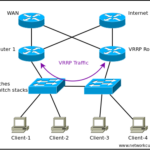
Secure access is another major selection point. PLCs, cameras, controllers, and gateways should not be casually exposed to the public internet. Instead, VPN, firewall rules, private APN, or fixed IP SIM planning should be reviewed before installation.
In addition, many standard SIM cards use CGNAT. Direct inbound access may not work in that case. A VPN tunnel, fixed public IP, private APN, or platform-based remote management method may be required.
Industrial IoT Applications for a 5G Cellular Router
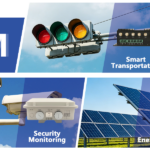
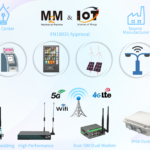
A 5g cellular router should be selected by application logic. Industrial automation, smart transportation, video surveillance, energy, utilities, and edge computing all need cellular access, but each scenario has different priorities.
1. Industrial Automation
Industrial automation usually focuses on secure access to PLCs, HMIs, controllers, industrial PCs, and gateways. Data volume may be modest, but VPN reliability and remote maintenance are important.
For machine builders and system integrators, cellular routing can support remote diagnostics after equipment delivery. Service teams can check alarms, review logs, adjust settings, and assist commissioning through a controlled access path.
2. Smart Transportation
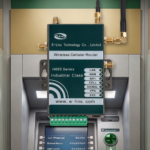
Smart transportation includes buses, trains, fleet vehicles, roadside cabinets, parking systems, traffic lights, and highway equipment. These systems may combine video, passenger Wi-Fi, GPS-related data, payment terminals, and equipment diagnostics.
Because vehicles move across coverage zones, antenna design and fallback behavior are important. Roof antennas, secure connectors, cable routing, carrier testing, and route testing should be reviewed before deployment.
3. Video Surveillance and Remote Sites
Video surveillance is one of the strongest use cases for industrial cellular routing. Remote cameras are common in construction sites, farms, substations, ports, solar plants, mining areas, and temporary security points.
However, video creates more network pressure than telemetry. Uplink capacity, data plan limits, video bitrate, latency, packet loss, antenna position, and carrier load should be reviewed together.
4. Energy, Utilities, and Remote Monitoring
Energy and utility sites often include solar farms, wind power stations, water stations, substations, pipelines, weather stations, and meter reading systems. These sites are usually distributed and unattended.
In these projects, uptime matters more than peak speed. Watchdog recovery, dual SIM planning, 4G fallback, serial interface support, wide power input, and remote diagnostics can reduce field maintenance pressure.
5. Edge Computing and AIoT Devices
Edge computing moves part of the processing close to the field site. An edge box may process video, filter sensor data, run local logic, or send event-based information to the platform.
For this kind of site, a 5g cellular router provides uplink connectivity, VPN access, LAN segmentation, and remote service access. Therefore, local IP planning and secure management should be prepared before installation.
5G Cellular Router vs 5G Modem
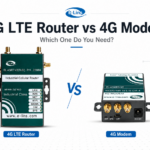
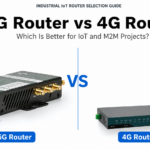
A router and a modem are often discussed together, but they do not serve the same role. A modem mainly provides cellular access to another host device. A router provides cellular access and also manages local networking, firewall rules, VPN, DHCP, NAT, and multiple connected devices.
Therefore, a router is normally better when the site has several devices, needs secure remote access, or requires independent gateway functions. A modem may fit when the host system already handles routing, security, and management.
For projects comparing a router with a 5G Modem, the decision should start with network responsibility. If the field site needs LAN sharing, VPN, firewall control, remote management, and multi-device access, the router path is usually more practical.
| Item | 5G Cellular Router | 5G Modem |
|---|---|---|
| Main role | Gateway for field devices and remote platforms. | Cellular access module for a host system. |
| Local networking | Supports LAN, DHCP, NAT, firewall, and VPN. | Usually depends on the host device. |
| Best fit | PLC, camera, gateway, vehicle, utility, and multi-device sites. | Embedded systems where the host controls the network. |
Product Direction for Different IoT Sites
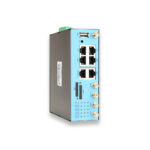
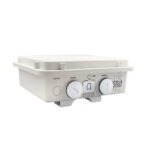
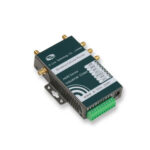
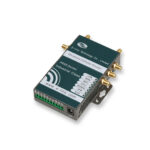
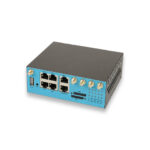
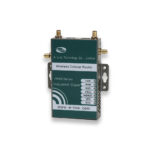
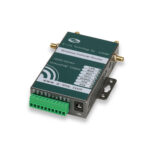
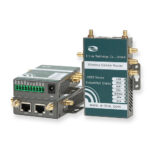
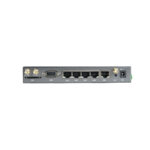
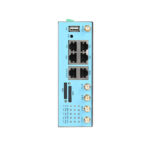
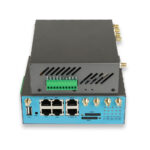
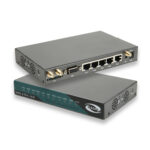
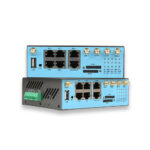
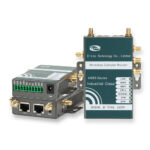
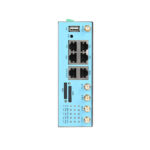
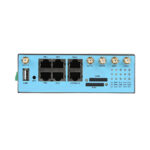
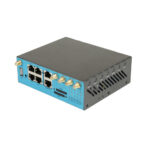
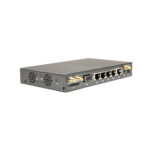
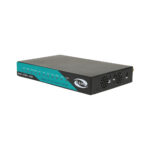
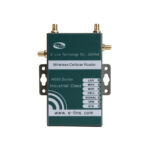
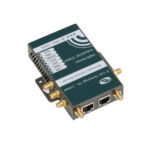
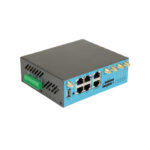
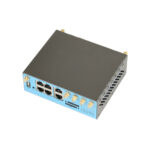
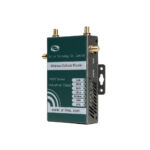
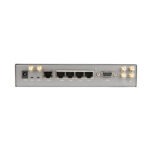
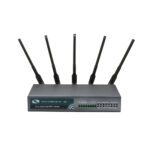
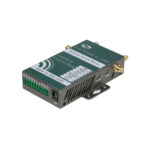
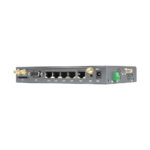
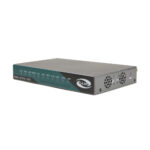
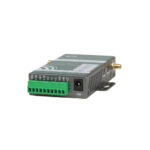
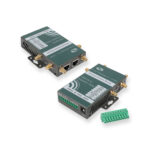
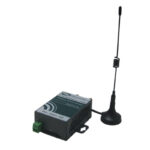
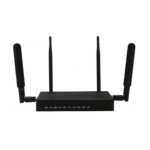
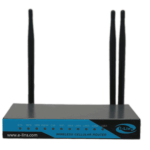
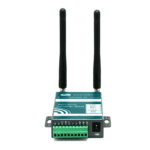
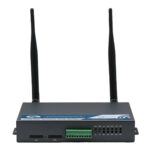
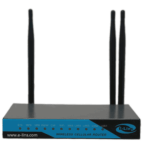
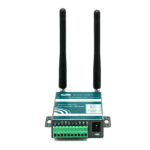
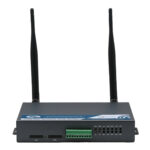
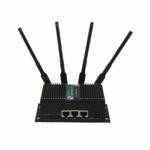
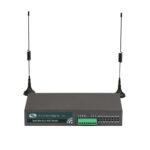
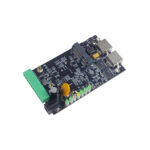
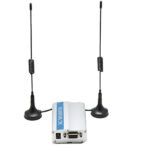
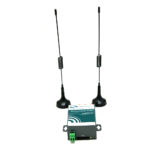
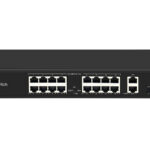
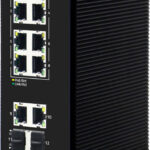
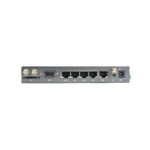
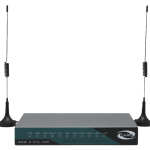
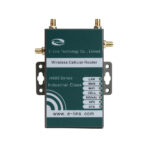
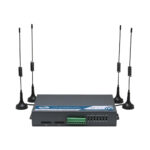
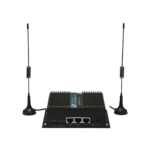
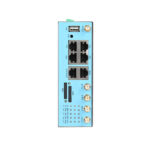
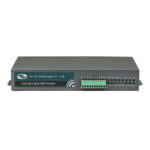
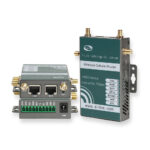
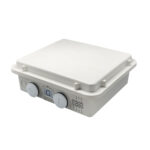
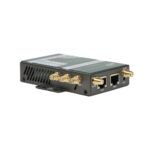
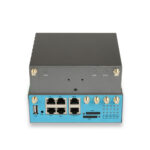
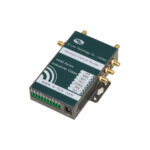
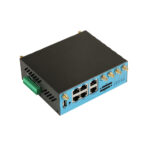
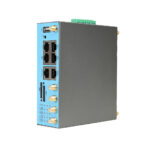
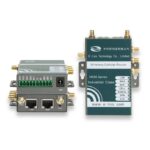
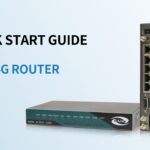
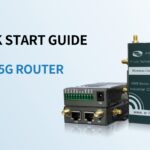
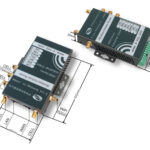
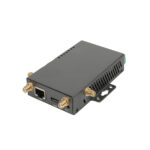
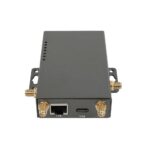
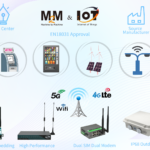
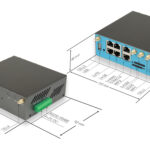
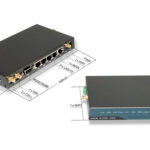
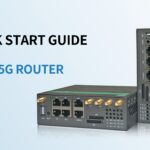
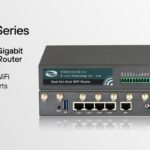
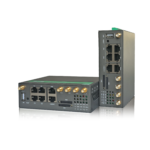
The following E-Lins product paths are suitable for different 5G industrial networking situations. Each product image is clickable and leads to its product page.
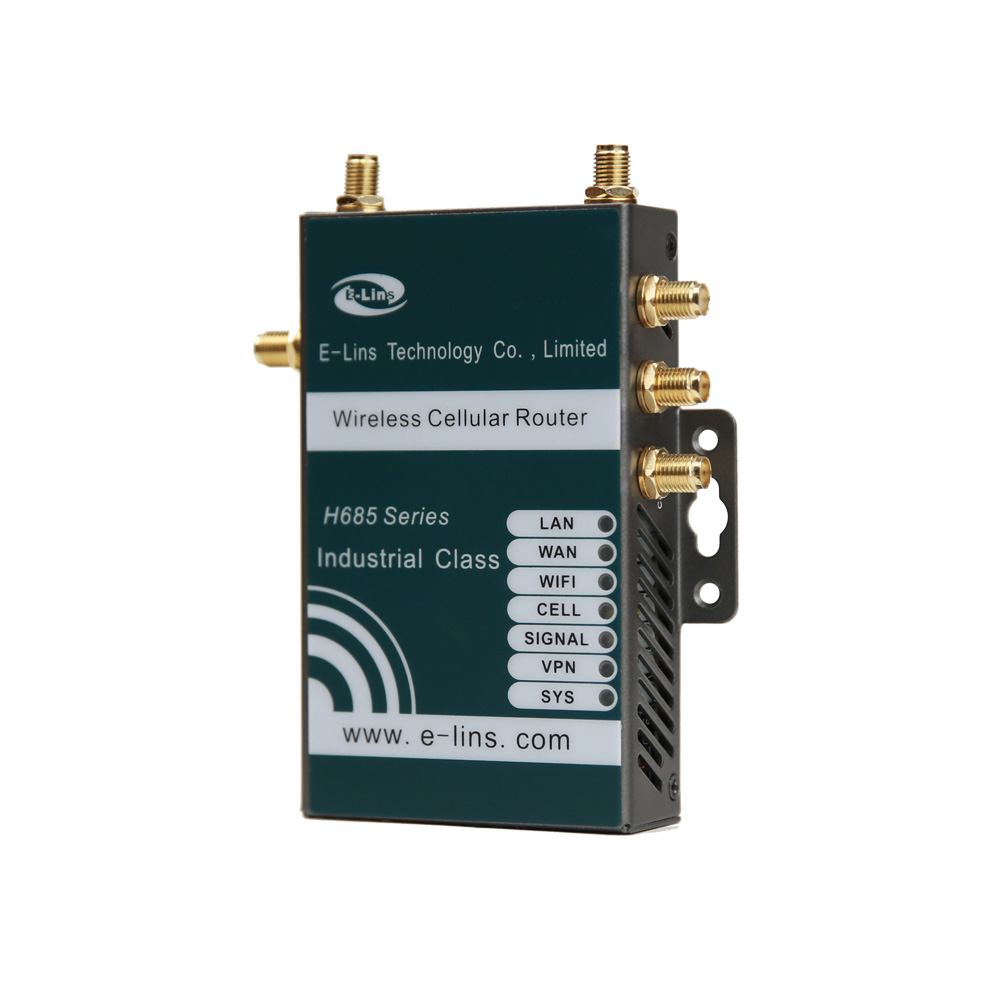
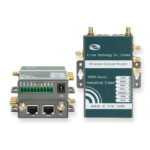
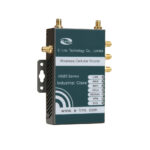
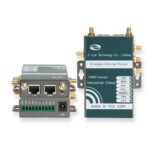
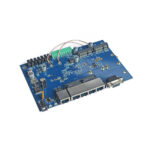
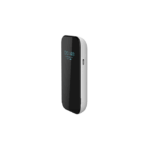
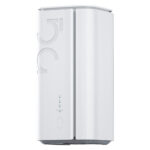
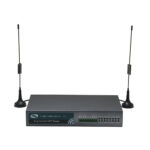
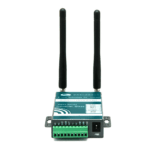
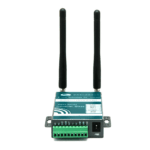
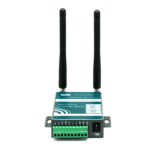
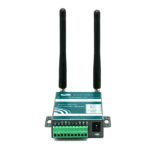
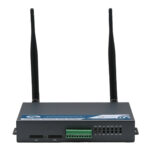
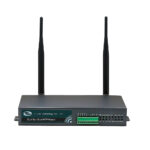
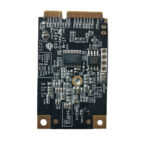
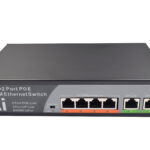
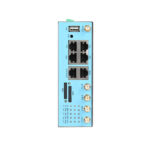
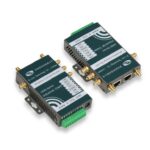
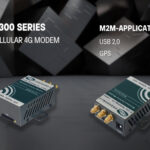
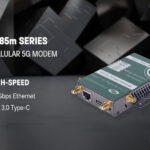
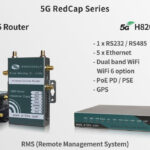
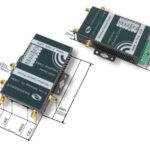
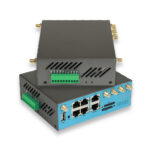
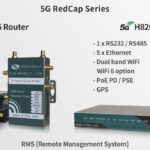
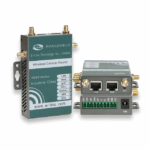
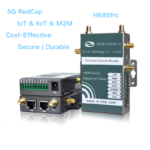
H685frc 5G RedCap IoT Router
A compact route for IoT, M2M, embedded equipment, remote meters, vending systems, and moderate-data industrial connectivity.
View Product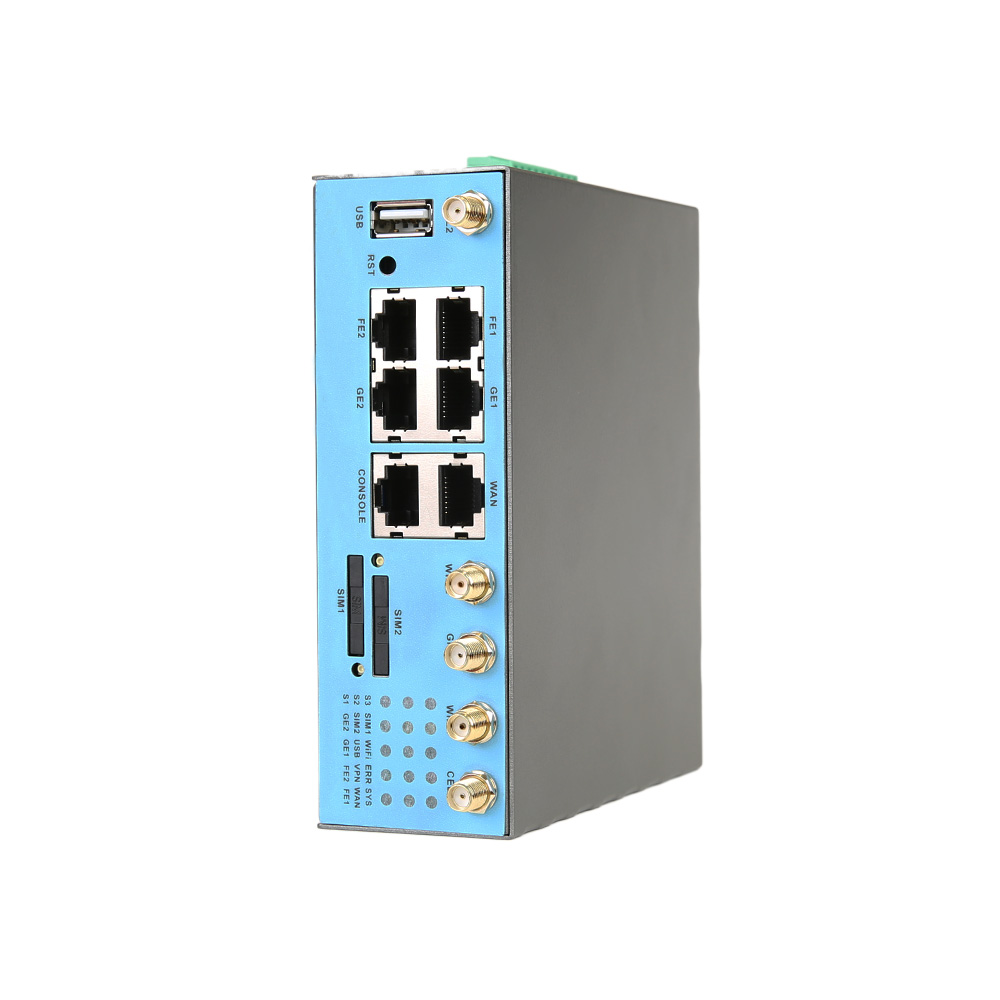
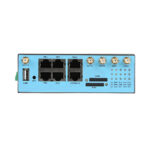
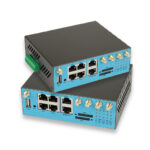
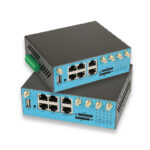
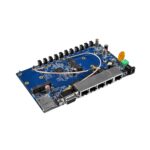
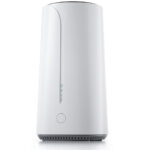
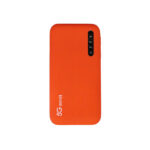
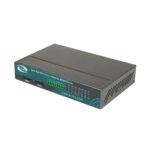
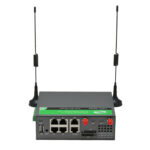
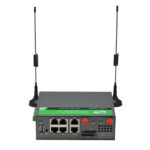
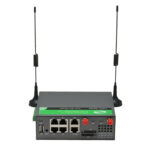
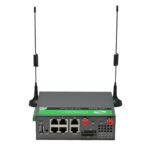
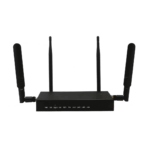
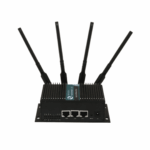
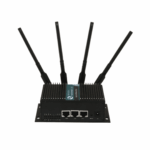
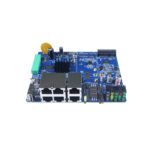
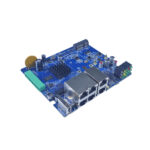
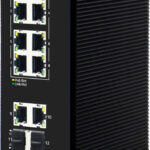
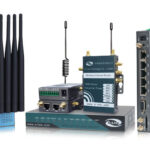
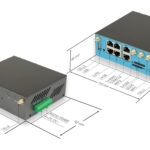
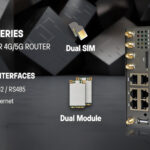
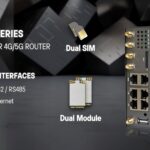
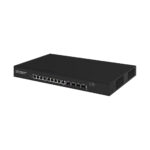
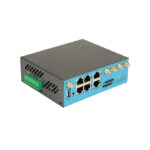
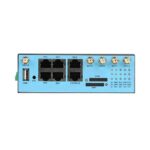
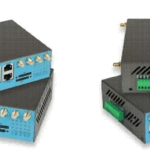
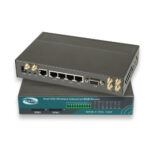
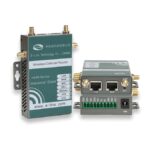
H900uf IoT 5G Router
A higher-interface direction for video, edge gateway, transportation, multi-LAN equipment, and stronger site integration.
View Product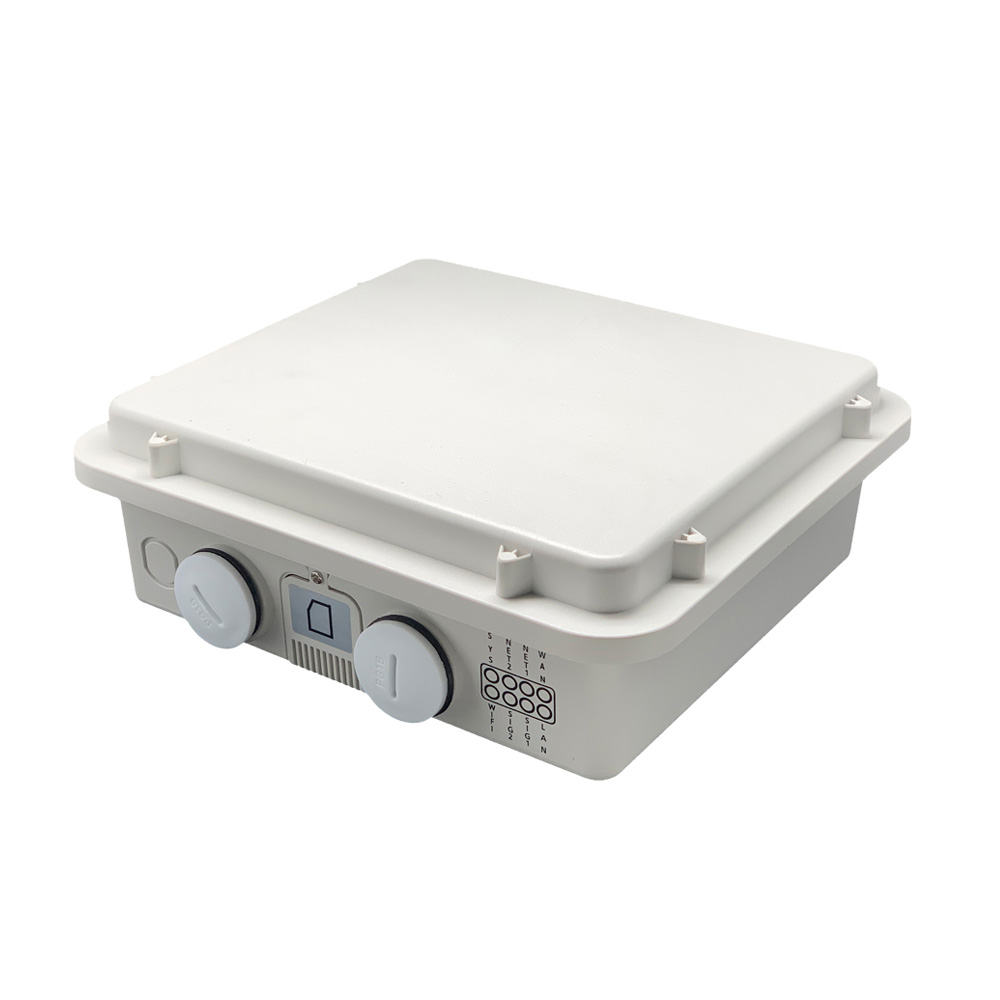
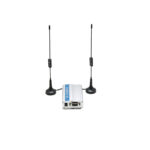
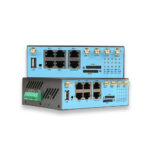
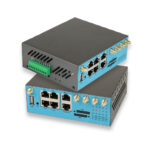
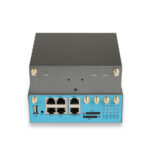
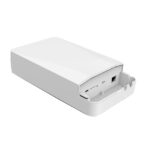
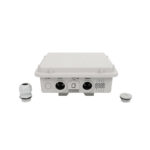
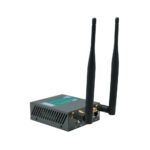
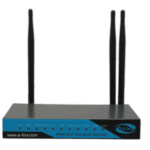
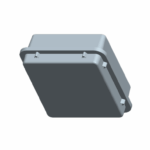
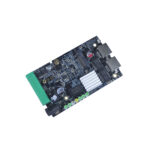
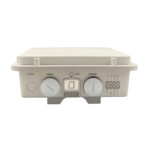
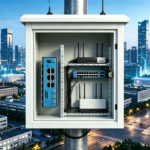
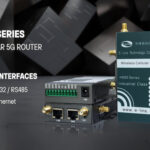
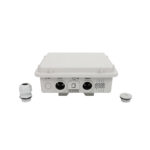
H820QOf Outdoor 5G CPE
A practical outdoor option for remote cameras, pole-mounted systems, roadside cabinets, farms, and distributed monitoring sites.
View ProductDeployment Planning Before Installation
Before choosing a 5g cellular router, the project team should confirm how the router will be installed, powered, accessed, and maintained. This planning stage is especially important for remote sites where sending an engineer back to the cabinet is expensive.
Carrier testing should happen at the final installation point. A strong signal near an office window does not guarantee stable performance inside a roadside cabinet, metal enclosure, basement, moving vehicle, or pole-mounted box.
For wider industry context, GSMA explains that 5G IoT can support areas such as broadband IoT, critical IoT, massive IoT, cloud, AI, and edge applications. This is why 5G is often considered when industrial projects move beyond simple telemetry. Read the GSMA 5G IoT overview.
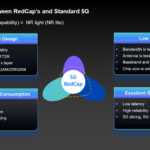
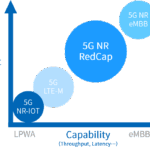
If the project is considering reduced capability 5G for moderate IoT use cases, 3GPP also provides background on RedCap as a 5G technology direction for devices that do not need full high-end 5G performance. Read the 3GPP RedCap background.
Buying Checklist Before Deployment
A clear checklist helps avoid wrong model selection. Instead of comparing only speed and price, the project should review application type, data flow, interfaces, carrier network, security, environment, and maintenance requirements.
| Selection Item | Why It Matters | What to Confirm |
|---|---|---|
| Application type | Automation, video, vehicle, utility, and edge projects have different network needs. | Connected equipment, traffic type, uptime target, and remote access method. |
| Carrier and SIM | Carrier bands, APN, CGNAT, and private IP rules affect real access. | Region, carrier, SIM plan, APN, fixed IP, private APN, and data limit. |
| Interfaces | Missing Ethernet, serial, or Wi-Fi support may delay installation. | LAN ports, WAN mode, RS232, RS485, DI/DO, USB, console, and antennas. |
| Security | Remote equipment should not be exposed without access control. | VPN protocol, firewall rules, port policy, password rules, and access method. |
| Environment | Heat, vibration, cabinet material, power fluctuation, and antenna position affect reliability. | Power input, mounting method, temperature range, enclosure, and antenna layout. |
| Maintenance | Distributed sites need remote checks and fewer field visits. | Remote reboot, logs, firmware update, watchdog, and configuration backup. |
Common Mistakes to Avoid
- Choosing only by peak 5G speed while ignoring uplink, signal quality, and antenna position.
- Testing with a temporary office SIM instead of the real project SIM and APN.
- Placing the router inside a metal cabinet without planning external antennas.
- Using Wi-Fi as the main industrial link when wired Ethernet is more stable.
- Forgetting VPN reconnection, watchdog recovery, firmware updates, and configuration backup.
FAQ
What is a 5G cellular router?
A 5g cellular router is an industrial network device that connects local equipment to a mobile carrier network through SIM-based 5G access. It also manages routing, LAN sharing, VPN, firewall rules, and remote connectivity.
How is it used in industrial IoT?
It connects PLCs, cameras, meters, controllers, vehicles, edge gateways, and remote monitoring equipment to control platforms or cloud systems, especially where fixed broadband is unavailable or unreliable.
What features matter most for remote sites?
Important features include 5G and 4G fallback, external antenna support, APN configuration, VPN, remote management, watchdog recovery, wide power input, industrial enclosure, and suitable LAN or serial interfaces.
What is the difference between a 5G router and a 5G modem?
A 5G modem mainly provides cellular access to another host device. A router provides cellular access plus routing, firewall, VPN, LAN sharing, DHCP, NAT, and remote management for field devices.
When should a project choose a 5G cellular router instead of 4G?
A project should consider 5G when it needs higher uplink capacity, lower latency, video upload, mobile connectivity, more connected devices, or a longer lifecycle upgrade path.
Can E-Lins help choose a router for an industrial project?
Yes. E-Lins can review the application scene, data type, interface needs, deployment environment, SIM and carrier situation, VPN plan, and remote management requirements before recommending a suitable router direction.
Match the Router to the Real Deployment
Industrial IoT router selection should start from the application, not from a single specification. Site environment, data type, device interfaces, cellular carrier, SIM plan, APN, VPN, antenna position, power input, and remote management all affect the final result.
As an industrial cellular router manufacturer, E-Lins can help review the deployment requirements and recommend a suitable 5g cellular router direction for industrial IoT, M2M, remote monitoring, video, transportation, energy, and edge networking projects.
Contact E-Lins