
The Ultimate Guide to 5G PoE Routers
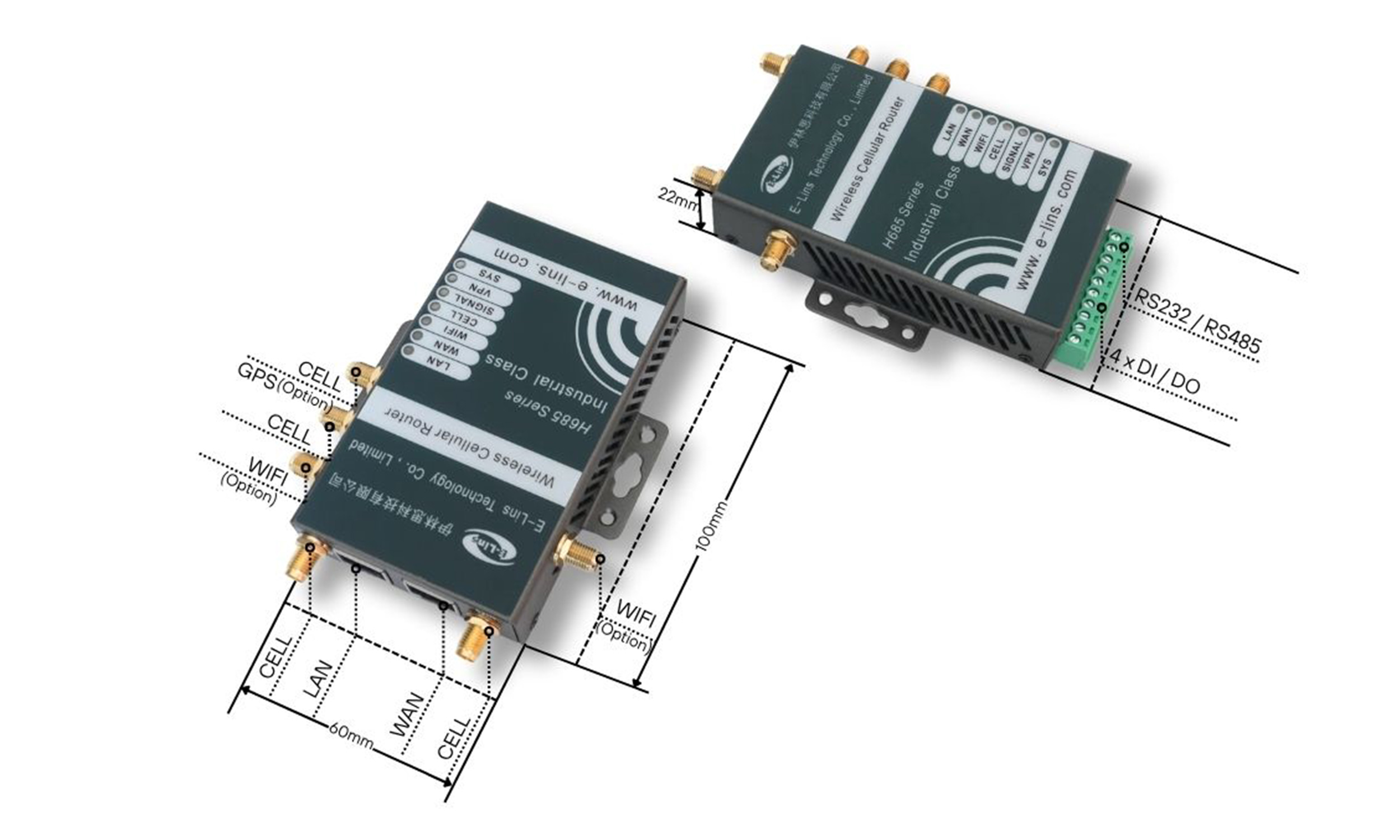
5G PoE Routers: Revolutionizing Industrial & Enterprise Connectivity
In the rapidly evolving landscape of network infrastructure, two technologies have emerged as game-changers for industrial, commercial, and even advanced home networking: 5G and Power over Ethernet (PoE). When combined into a single device—the 5G PoE router—they create a synergy that eliminates traditional constraints of wiring, distance, and power availability. This guide explores everything you need to know about these powerful devices, their applications, and why they are becoming the backbone of modern connectivity.

1)What is a 5G PoE Router?
A 5G PoE router is a networking device that integrates a 5G cellular modem with a Power over Ethernet switch or injector. Essentially, it acts as a bridge between a 5G cellular network and a LAN of wired devices.
Unlike a standard router that requires a separate electrical outlet and a cable modem or fiber connection, the 5G PoE router consolidates power and data into a single Ethernet cable. This device takes the high-speed, low-latency capabilities of 5G—offering speeds often exceeding 1 Gbps—and distributes that connection via Ethernet ports, simultaneously powering downstream devices like IP cameras, access points, and VoIP phones.
2)The Critical Intersection: Why Combine 5G with PoE?
To understand the value, we must look at the limitations of traditional networking.
1. Overcoming Infrastructure Deficits
In remote locations, construction sites, or temporary event spaces, running fiber optic cables or DSL lines is often prohibitively expensive or logistically impossible. A 5G PoE router solves this by using cellular infrastructure as the primary WAN. You get fiber-like speeds without the physical fiber.
2. Simplifying Power Logistics
Standard networking setups require a power source for the router and separate power sources for every peripheral device (like security cameras or sensors). With PoE, power is delivered through the Ethernet cable. A single 5G PoE router can power an entire ecosystem of devices, reducing the need for electricians to install new outlets in hard-to-reach places.
3. Reducing Points of Failure
By combining the modem, router, switch, and power supply into one unit, you reduce the number of devices that can fail. This consolidation is vital for industrial IoT (IIoT) where uptime is critical.
3) Key Features to Look for in a 5G PoE Router
When selecting a 5G PoE router for your specific use case, technical specifications matter. Here are the essential features to scrutinize:
1. 5G Frequency Bands (Sub-6GHz vs. mmWave)
Not all 5G is created equal.
- Sub-6GHz: Offers excellent range and penetration through walls. Ideal for urban environments and indoor use.
- mmWave (millimeter wave): Offers ultra-high speeds (up to 4-10 Gbps) but very short range. Essential for stadiums, factories with high-density device requirements, or line-of-sight applications.
A robust 5G PoE router should support both, along with fallback to 4G LTE for redundancy.
2. PoE Budget and Standard (802.3af/at/bt)
The “P” in PoE is quantified by budget.
- 802.3af (PoE): Provides up to 15.4W per port. Suitable for basic sensors or standard IP cameras.
- 802.3at (PoE+): Provides up to 30W per port. Necessary for PTZ (Pan-Tilt-Zoom) cameras or advanced VoIP phones.
- 802.3bt (PoE++): Provides up to 60W (Type 3) or 100W (Type 4) per port. Required for high-power devices like digital signage, video conferencing bars, or supplying power to remote switches.
Check the total power budget (e.g., 120W total) to ensure it can support all connected devices simultaneously.
3. Industrial Hardening (IP Ratings & Temperature)
If the router is destined for an outdoor enclosure or a factory floor, look for industrial-grade hardware.
- IP Rating: IP30 (dust protection) for indoor industrial; IP65/IP67 for outdoor waterproofing.
- Temperature Range: Look for operating temperatures of -30°C to 70°C for outdoor or warehouse deployment.
4. VPN and Security Protocols
Since 5G routers often serve as the gateway for sensitive data in remote locations, security is paramount. Ensure the router supports IPSec, OpenVPN, and SSL VPN to create secure tunnels back to the corporate headquarters.
4) Top Use Cases for 5G PoE Routers
The unique combination of wireless WAN and wired power distribution makes these routers ideal for specific scenarios.
1. Smart Cities and Public Safety
Cities are deploying smart streetlights equipped with IP cameras, environmental sensors, and public Wi-Fi. A 5G PoE router mounted on a light pole can aggregate data from all these sensors (using PoE to power them) and backhaul the data via 5G, eliminating the need to dig trenches for fiber.
2. Construction and Pop-Up Sites
Construction sites need security cameras and Wi-Fi for trailers within hours of breaking ground. A single 5G PoE router can provide high-speed internet to the site office while simultaneously powering 4K security cameras placed around the perimeter.
3. Retail and Hospitality
For pop-up stores or food trucks, setting up a traditional ISP contract is inefficient. A 5G PoE router allows for instant deployment of POS (Point of Sale) systems, customer Wi-Fi, and digital menu boards with a single device that only requires a SIM card and a power source (though PoE can power the router itself if an injector is upstream).
4. Marine and Transportation
On boats, buses, or trains, stable power is variable, and wired backhaul is non-existent. Ruggedized 5G PoE routers provide connectivity to onboard CCTV systems (powered via PoE) and passenger Wi-Fi while handling the vibration and power fluctuations common in moving vehicles.
5) Installation and Configuration Best Practices
Installing a 5G PoE router is different from setting up a standard home router.
- SIM Card and Carrier Selection: Unlike Wi-Fi, 5G requires carrier compatibility. Ensure the router is unlocked or compatible with the specific carrier’s 5G bands (n41, n77, n78, etc.).
- Antenna Considerations: Many 5G PoE routers come with external SMA antenna ports. For maximum throughput, consider replacing the default antennas with high-gain directional antennas aimed at the nearest 5G tower.
- Cable Length Management: While PoE technically supports runs up to 100 meters (328 feet), ensure you are using Cat6 or Cat6a cabling to handle the high throughput of 5G (up to 2.5GbE) without interference.
- Management Interface: Configure the device via its local web interface or cloud management platform. For remote sites, prioritize setting up out-of-band management so you can reboot the router remotely if the 5G signal fluctuates.
6) Frequently Asked Questions (FAQ)
1. Can a 5G PoE router work without a cellular signal?
Yes, most enterprise-grade 5G PoE routers feature dual-WAN capabilities. If the 5G signal is lost or degraded, the router can failover to a secondary WAN source, such as a wired Ethernet connection (from a satellite modem or DSL line) or a USB tethering modem. However, the primary function relies on 5G connectivity.
2. Does a 5G PoE router replace my existing switch?
It can. If your network consists of fewer than 4-8 wired devices (depending on the model), a 5G PoE router can act as a combined router, switch, and power supply. For larger networks, you would use the router as the gateway, connecting its LAN port to a larger non-PoE or PoE switch to expand capacity.
3. Is it safe to power the router itself via PoE?
Many advanced 5G PoE routers are designed to be powered via PoE (PD – Powered Device). This is very safe and actually beneficial for installations in ceilings or outdoor enclosures where AC outlets are scarce. Ensure the upstream PoE switch or injector provides enough wattage to meet the router’s power consumption (often 15W-30W).
4. What is the average speed I can expect from a 5G PoE router?
This varies drastically by location. In a dense urban area with mmWave, you could see 1-4 Gbps. In suburban areas with Sub-6GHz 5G, typical speeds range from 100 Mbps to 800 Mbps. A good router will have a 2.5GbE or 5GbE LAN port to ensure the Ethernet side does not bottleneck the 5G speed.
5. How do I manage multiple 5G PoE routers across different locations?
Most industrial 5G PoE routers support cloud-based centralized management (SD-WAN). Platforms allow administrators to remotely monitor signal strength, reboot devices, update firmware, and configure VLANs across thousands of sites from a single dashboard, eliminating the need for on-site IT visits.
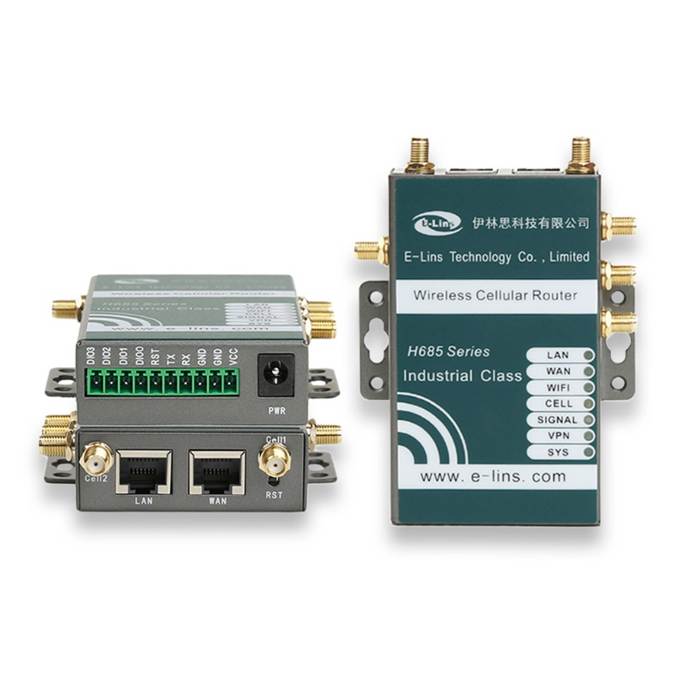
Are you ready to deploy an industrial 5G PoE Router? Take a quick view of E-Lins, a IoT expert providing many excellent 5G PoE Routers.