
How to Choose The Best Industrial 4G PoE Router
Introduction
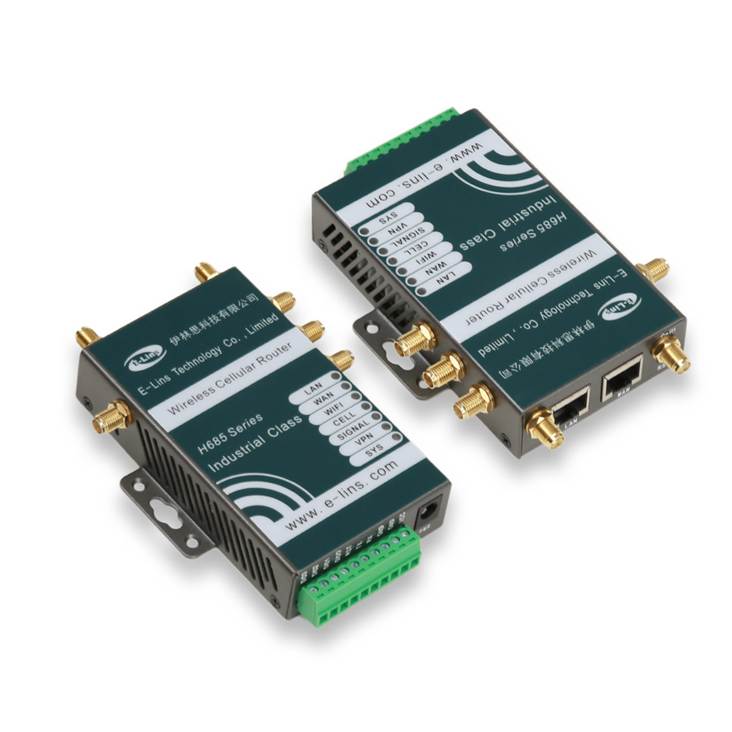
As industries continue to digitize operations, reliable connectivity has become a fundamental requirement. From remote construction sites to smart city infrastructure, organizations need networking solutions that can perform in challenging environments. A rugged industrial 4G PoE router is specifically designed to meet these needs by combining wireless connectivity, power delivery, and durability.

Unlike traditional routers, an industrial 4G PoE router for outdoor use ensures uninterrupted communication even in harsh conditions. Whether you are deploying surveillance systems, IoT devices, or industrial automation equipment, this technology provides a flexible and cost-effective solution.
1)What Is an Industrial 4G PoE Router?
An industrial 4G PoE router is a networking device that integrates:
4G LTE cellular connectivity
Power over Ethernet (PoE) functionality
Industrial-grade hardware
This combination allows businesses to deploy networks in remote areas without relying on wired infrastructure.
2)How Does a 4G PoE Router Work in Industrial Environments?
Cellular Connectivity for Remote Locations
A 4G LTE PoE router for remote monitoring connects to cellular networks, providing internet access in areas where fiber or broadband is unavailable.
Power Delivery Through Ethernet
With PoE, the router can power connected devices such as IP cameras and sensors, reducing the need for additional wiring.
Data Routing and Network Management
The router manages data transmission between connected devices and cloud platforms, ensuring efficient communication.
3)Key Features of a Rugged Industrial 4G LTE PoE Router
1. Dual SIM Failover for High Reliability
A dual SIM industrial 4G router with PoE ports automatically switches networks when connectivity drops, ensuring continuous operation.
2. Wide Temperature Tolerance
Designed to operate in extreme environments, these routers typically function between -40°C and 75°C.
3. Advanced Security Features
Security is critical in industrial applications. Features include:
VPN (IPSec, OpenVPN)
Firewall protection
Data encryption
4. Remote Management Capabilities
A cloud-managed industrial 4G PoE router allows administrators to monitor and control devices remotely.
5. Rugged Enclosure Design
Industrial routers are built to withstand dust, moisture, and vibration.
4)Benefits of Using an Industrial 4G PoE Router
Reduced Infrastructure Costs
Using a 4G PoE router for CCTV surveillance systems eliminates the need for separate power cables, reducing installation costs.
Improved Deployment Flexibility
You can deploy networks anywhere with cellular coverage.
Enhanced Reliability
Industrial routers provide stable connectivity even in harsh environments.
Scalability for Growing Networks
Adding new devices is simple and cost-effective.
5)Industrial 4G PoE Router for IP Cameras and Surveillance Systems
One of the most common use cases is deploying an industrial 4G PoE router for IP cameras. These routers simplify installation by powering cameras directly through Ethernet cables.
Advantages for Surveillance
Easy installation
Reduced wiring
Reliable connectivity
Remote monitoring capabilities
This makes them ideal for:
Construction sites
Parking areas
Highways
Remote facilities
6)Applications Across Industries
Smart City Infrastructure
An industrial router for smart city applications enables traffic monitoring, public safety systems, and environmental sensors.
Transportation and Fleet Management
A 4G LTE PoE router for vehicles supports onboard Wi-Fi, GPS tracking, and surveillance systems.
Energy and Utilities
Used in remote monitoring of pipelines, solar farms, and wind turbines.
Industrial Automation
Connects PLCs and IoT devices for real-time monitoring.
7)How to Choose the Best Industrial 4G PoE Router
Evaluate Connectivity Needs
Consider bandwidth requirements and number of connected devices.
Check Environmental Ratings
Ensure the router can withstand harsh conditions.
Look for Security Features
Choose routers with advanced encryption and VPN support.
Assess PoE Capacity
Make sure the router can power all connected devices.
8)Deployment Best Practices
Conduct a Site Survey
Evaluate signal strength before installation.
Use External Antennas
Improve connectivity in weak signal areas.
Optimize Placement
Install routers in locations with minimal interference.
Secure Your Network
Configure VPNs and firewalls.
9)Future Trends in Industrial Networking
5G Integration
Future routers will offer faster speeds and lower latency.
Edge Computing
Processing data locally will reduce latency and bandwidth usage.
AI-Based Network Optimization
Smart routers will automatically optimize performance.
Conclusion
A best industrial 4G PoE router for remote monitoring is essential for businesses operating in challenging environments. By combining connectivity, power delivery, and durability, these devices enable efficient and scalable industrial networks.
10)FAQs
1. What is an industrial 4G PoE router used for?
It is used for remote monitoring, surveillance systems, and industrial IoT deployments.
2. Can a 4G PoE router power IP cameras?
Yes, it can directly power IP cameras via Ethernet cables.
3. How reliable is a 4G LTE PoE router?
With dual SIM support and strong signal coverage, it is highly reliable.
4. Is it suitable for outdoor use?
Yes, industrial routers are designed for harsh environments.
5. How do I choose the best model?
Consider durability, connectivity, security, and PoE capacity.
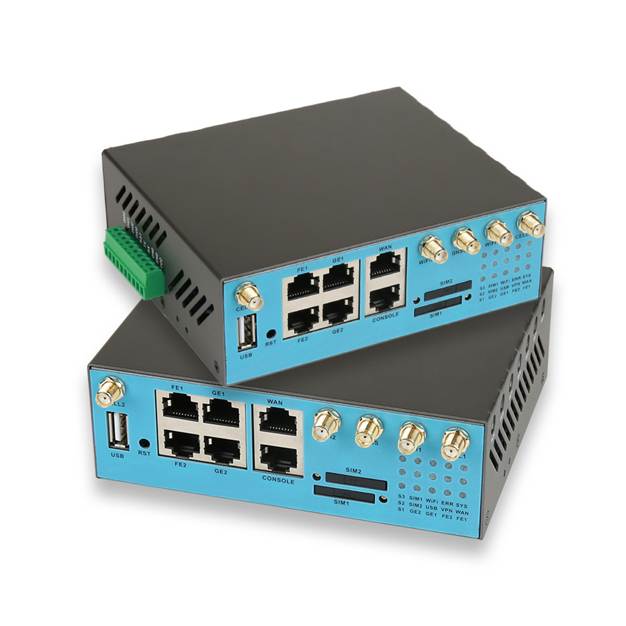
Want a reliable industrial 4G PoE router? Why not take a view of E-Lins’ industrial 4G PoE Routers?