
4G Router Manufacturer Landscape: Trends, Selection & Best Practices
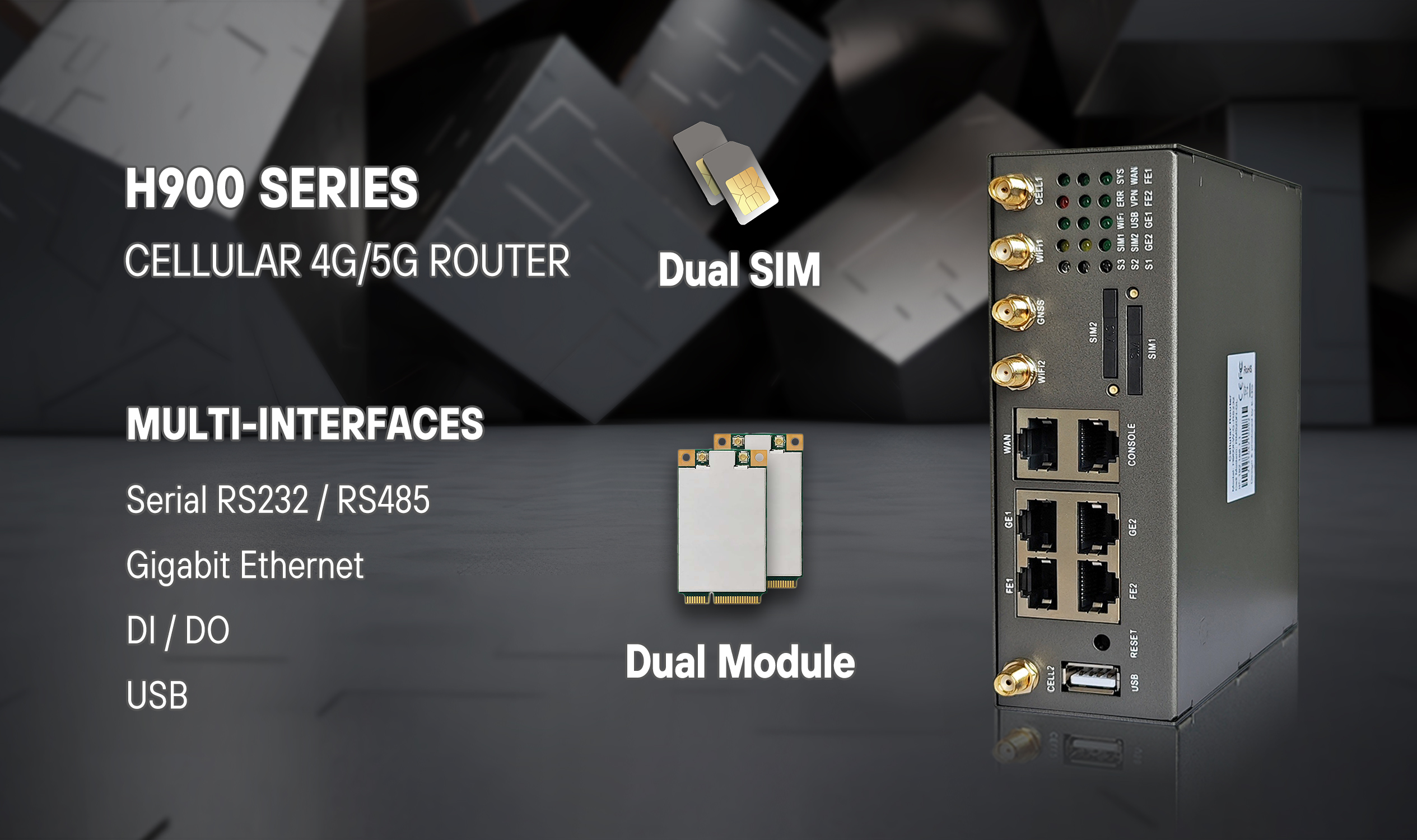
Although 5G is expanding rapidly, 4G LTE remains the most cost-effective and widely covered wireless network solution worldwide. For many industrial, agricultural, and commercial projects, 4G routers are still the first choice. As a result, the demand for professional 4G router manufacturer partners continues to grow across global markets.
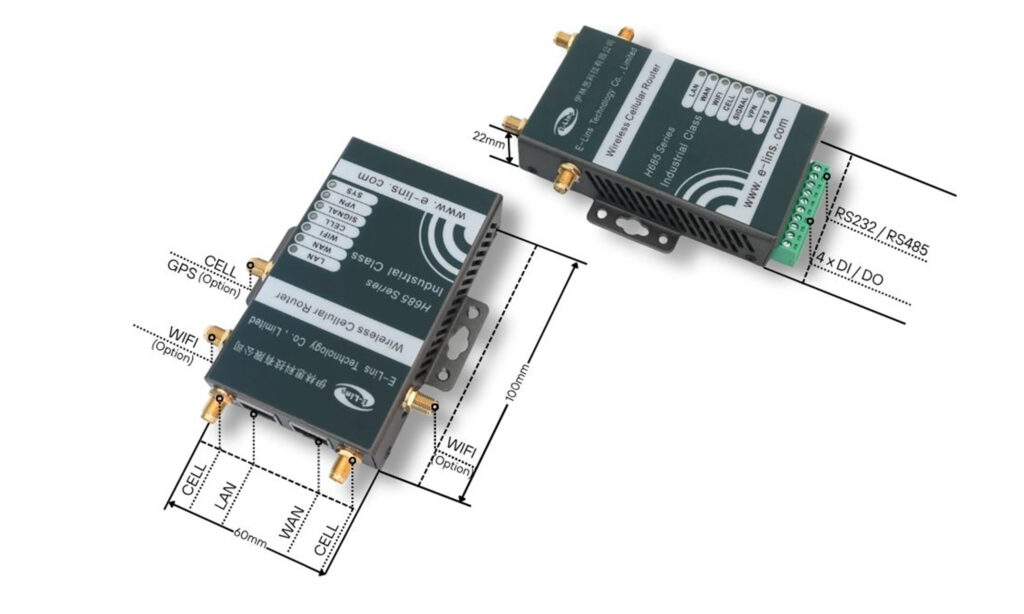
This blog analyzes the current industry landscape, important technology trends, how to compare different manufacturers, and best practices for deployment.
1) Current Market Landscape of 4G Router Manufacturers
The global 4G router market includes three main types of suppliers.
1. Large International Communication Brands
These brands produce high-quality products but often come with high prices and limited customization. They are suitable for general enterprise use but less flexible for specialized industrial projects.
2. Professional Industrial Communication Manufacturers
These companies focus on industrial IoT and cellular communication. They offer rugged design, wide temperature support, serial ports, dual SIM, and strong customization. This type is the best choice for industrial and long-term projects.
3. Small Traders & Assemblers
These suppliers lack independent R&D and use cheap components. Their products may appear low-cost but suffer from poor stability, short life, and no after-sales support. They are not recommended for industrial or commercial deployment.
For serious projects, only professional industrial 4G router manufacturers should be considered.
2) Key Technology Trends in 4G Router Manufacturing
1. Integration of 4G + Wi-Fi + GPS
Modern 4G routers increasingly combine multiple functions in one device, reducing wiring and installation costs.
2. Cloud-Based Remote Management
Manufacturers are developing centralized cloud platforms to monitor thousands of routers simultaneously, including signal status, data traffic, and online status.
3. Enhanced Cybersecurity
With rising IoT threats, top manufacturers add stronger encryption, firewall rules, and access control to protect critical data.
4. Low Power Consumption Design
Solar-powered and battery-powered applications drive demand for low-power 4G routers, especially in agriculture and environmental monitoring.
3) How to Compare Different 4G Router Manufacturers
When evaluating suppliers, use the following comparison framework.
1. Hardware Quality & Durability
Check operating temperature, casing material, protection level, and interface design. Industrial routers should have anti-surge and anti-lightning capabilities.
2. Software Stability & Functions
Review firmware maturity, VPN support, dialing stability, and remote management functions. Unstable firmware causes frequent disconnections.
3. Customization Ability
Can the manufacturer add or remove functions such as DI/DO, serial ports, or specific protocols? Can they support your private cloud platform?
4. Pricing & MOQ
Professional manufacturers offer reasonable pricing for bulk orders and accept moderate MOQs for OEM projects.
5. After-Sales & Lead Time
Check warranty period, average repair time, firmware update frequency, and delivery speed for mass orders.
4) Practical Deployment Tips from Experienced 4G Router Manufacturers
1. Choose Dual-SIM Routers for Critical Sites
Dual SIM allows automatic switching between two carriers, preventing network downtime.
2. Use External Antennas in Weak Signal Areas
External high-gain antennas significantly improve signal reception in basements, rural areas, and factories.
3. Set Proper VPN Parameters for Secure Transmission
Always use VPN for industrial data to avoid eavesdropping and data leakage.
4. Perform On-Site Testing Before Mass Deployment
Test temperature, signal, and connectivity in real working environments to avoid later problems.
5) FAQs About 4G Router Manufacturers & Products
1. Which industries most need professional 4G router manufacturers?
Industrial automation, smart agriculture, transportation, energy, security monitoring, and retail backup internet most rely on professional 4G routers.
2. Can 4G routers from professional manufacturers work with 5G networks later?
Most industrial 4G routers support network migration strategies and can coexist with 5G networks as backup or supplementary links.
3. How long does delivery take for a bulk order from a 4G router manufacturer?
Standard models usually ship within 3–7 working days. Customized OEM orders generally take 2–4 weeks depending on complexity.
4. Do 4G router manufacturers provide testing samples?
Yes, almost all professional suppliers offer sample units for testing before mass orders to verify performance.
5. What is the difference between CAT1, CAT4, and CAT6 4G routers?
CAT1 is for low-speed IoT; CAT4 offers 150Mbps download for general industrial use; CAT6 supports 300Mbps with carrier aggregation for higher bandwidth demands.
6. Can 4G routers be used outdoors without a cabinet?
Industrial-grade routers with high protection levels can be used outdoors, but most require a simple waterproof cabinet for long-term durability.
6) Conclusion
The right 4G router manufacturer brings stability, security, and scalability to your connectivity project. As 4G remains essential for global IoT and industrial applications, choosing a manufacturer with strong R&D, industrial design, and global support will protect your investment and ensure long-term operation. Whether you are deploying in remote fields, busy cities, or moving vehicles, professional 4G routers deliver consistent performance when you need it most.
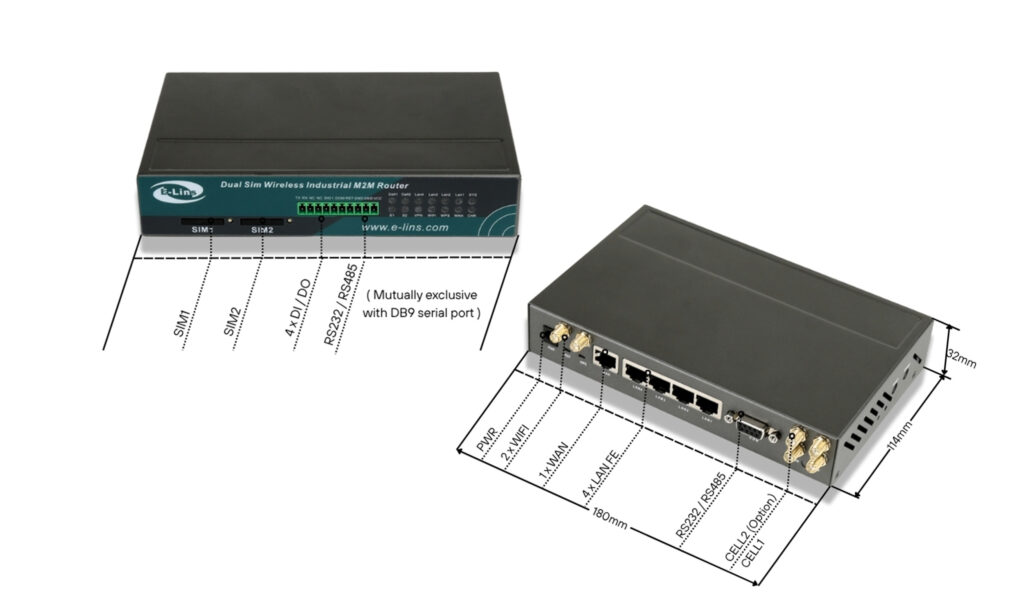
Where to source a reliable China 4G Router Manufacturer? Why not take a view of E-Lins? As for a IoT expert, founded since 1999, specialized on manufacturing industrial 5G& 4G Routers & Modems.