
5G Router Board: The Backbone of 5G Connectivity
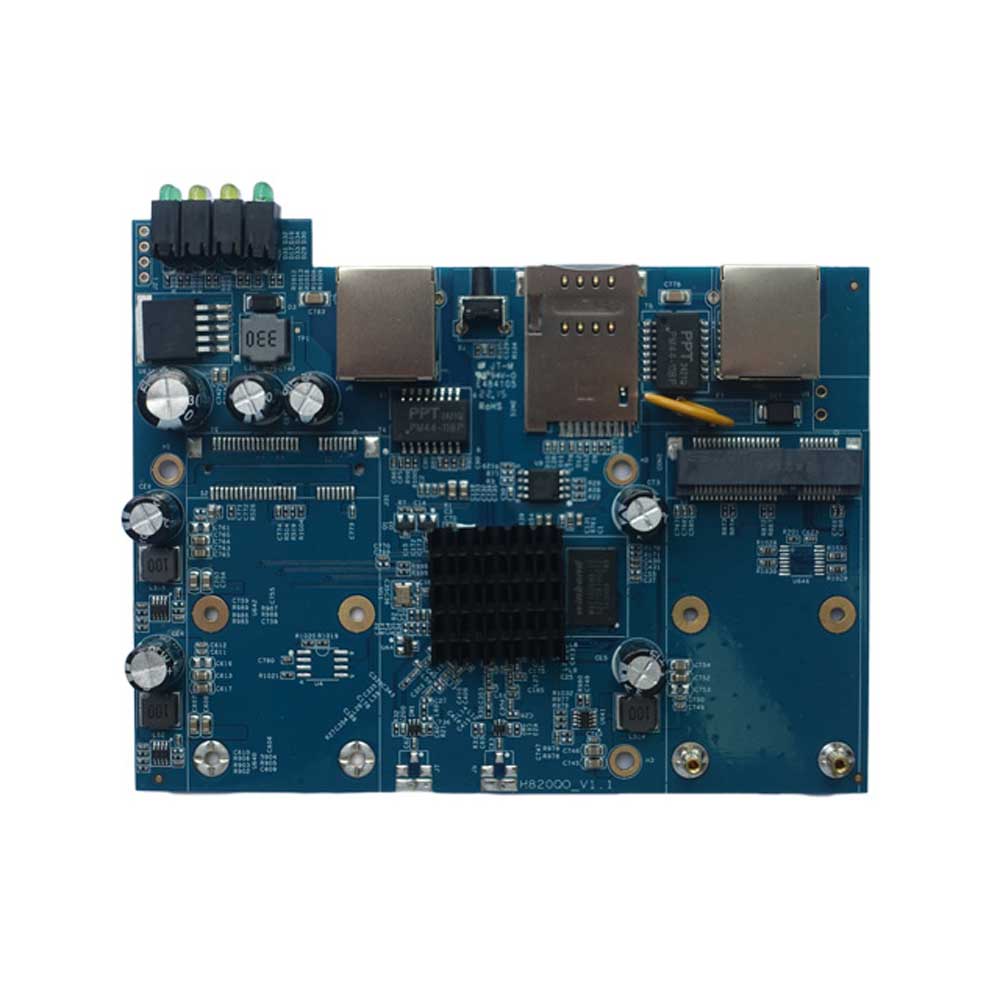
In an era where high-speed internet is no longer a luxury but a necessity, 5G technology has emerged as a game-changer, redefining how we connect, work, and interact with the digital world. At the heart of every 5G router lies a critical component that powers its performance, reliability, and versatility: the 5G router board. Often overlooked by end-users, this small yet powerful circuit board is the unsung hero behind seamless 5G connectivity, enabling everything from ultra-fast home internet to mission-critical industrial applications.
In this blog, we’ll dive deep into the world of 5G router boards, exploring their design, components, benefits, top models, real-world uses, and answers to the most common questions. Whether you’re a tech enthusiast, a small business owner, an IT professional, or simply someone looking to upgrade their home network, this blog will equip you with all the knowledge you need to understand and leverage the power of 5G router boards.
What Is a 5G Router Board?
Before we delve into the technical details, let’s start with the basics: what exactly is a 5G router board? A 5G router board—also known as a 5G router PCB (Printed Circuit Board)—is the main circuit board that serves as the central hub of a 5G router. It integrates all the essential components required to receive, process, and transmit 5G signals, converting them into a stable, high-speed internet connection for devices like smartphones, laptops, smart TVs, and IoT devices. Think of it as the “brain” of the 5G router: without a high-quality router board, even the most advanced 5G modem or antenna would fail to deliver the speed, reliability, and functionality that 5G promises.
In the age of 5G, where we demand download speeds of up to 10 Gbps, ultra-low latency (as low as 1ms), and support for thousands of connected devices simultaneously, the 5G router board plays a pivotal role. It’s not just a passive component; it’s an active enabler of next-generation connectivity. Unlike 4G router boards, which were designed for lower speeds and fewer devices, 5G router boards are engineered to handle the massive data volumes and high bandwidth demands of 5G networks. They also support advanced technologies like beamforming, network slicing, and multi-band connectivity, ensuring that users can access fast, stable internet wherever they are—whether at home, in the office, or on the go.
The global 5G printed circuit board market is growing at an impressive rate, projected to reach USD 43.54 billion by 2030 with a CAGR of 14.37% from 2024 to 2030. This growth is driven by the increasing adoption of 5G networks worldwide, the expansion of IoT applications, and the demand for high-speed connectivity in both consumer and industrial sectors. As 5G continues to roll out across more regions, the importance of 5G router boards will only grow, making them a critical component in the digital infrastructure of the future.
1)Core Components of a 5G Router Board
A 5G router board is a complex assembly of electronic components, each serving a specific purpose to ensure optimal performance. Understanding these components will help you better evaluate the quality and capabilities of a 5G router board. Below are the key components you’ll find on most modern 5G router boards:
1. 5G Modem Chip
The 5G modem chip is the most critical component of the router board, as it’s responsible for receiving and transmitting 5G signals from the cellular network. It converts the radio frequency (RF) signals into digital data that can be processed by the router and distributed to connected devices. Top 5G modem chips, such as those from Qualcomm (e.g., Snapdragon X55), MediaTek (e.g., Filogic 880), and Huawei (e.g., Balong 5000), support both sub-6GHz and mmWave 5G bands, ensuring compatibility with global 5G networks. For example, the MediaTek Filogic 880 chipset powers the Banana Pi BPI-R4 5G router board, enabling support for 5G and Wi-Fi 7 connectivity.
2. CPU (Central Processing Unit)
The CPU is the “brain” of the router board, responsible for processing data, managing network traffic, and running the router’s operating system (OS). For 5G routers, the CPU must be powerful enough to handle high data throughput and multiple concurrent connections. Most 5G router boards use multi-core ARM processors, which are energy-efficient and capable of handling the demands of 5G connectivity. For instance, industrial-grade 5G router boards like the E-Lins H685 feature high-performance CPUs that support mission-critical applications in harsh environments.
3. RAM (Random Access Memory)
RAM is used to temporarily store data and instructions that the CPU needs to access quickly. For 5G routers, sufficient RAM is essential to handle the high volume of data traffic and support multiple connected devices. Most consumer 5G router boards come with 1GB to 4GB of RAM, while industrial-grade boards may have 4GB or more to support advanced applications like IoT device management and real-time data processing.
4. Storage (Flash Memory)
Flash memory is used to store the router’s operating system, firmware, and configuration settings. It allows the router to boot up quickly and retain settings even when power is disconnected. 5G router boards typically come with 8GB to 64GB of flash memory, with some industrial models offering expandable storage via microSD cards or M.2 slots. The Banana Pi BPI-R4, for example, includes a microSD card slot and two M.2 slots for additional storage and module expansion.
5. RF Front-End (RFFE) Components
The RF front-end includes components like antennas, filters, amplifiers, and switches, which are responsible for receiving and transmitting 5G signals. 5G router boards require high-quality RFFE components to ensure strong signal reception, even in areas with weak 5G coverage. Many modern 5G router boards support multiple antennas (MIMO technology), which improve signal strength and reduce interference. For example, the Wave-share RM520N-GL 5G router board features 6 IPEX-4 antenna interfaces for 3G/4G/5G/GNSS connectivity, enhancing signal reception across various bands.
6. Ethernet Ports
While 5G is a wireless technology, most 5G router boards include Ethernet ports (Gigabit or 10-Gigabit) to connect wired devices like desktop computers, smart TVs, and network storage devices. This is especially useful for devices that require a stable, high-speed connection, such as gaming consoles or workstations. The Banana Pi BPI-R4, for instance, features three Gigabit LAN ports, one Gigabit WAN port, and 10-Gigabit cages for additional LAN/WAN connectivity, while the Wave-share RM520N-GL includes 1 WAN port and 4 LAN ports (10/100/1000M).
7. Wi-Fi Chip
Most 5G router boards integrate a Wi-Fi chip to provide wireless connectivity for devices that don’t support 5G directly. Modern 5G router boards support Wi-Fi 6 or Wi-Fi 7, which offer faster speeds, lower latency, and better support for multiple devices compared to older Wi-Fi standards. The Banana Pi BPI-R4, for example, includes space for a Wi-Fi 7 network interface card (NIC) via its rear-mounted mPCIe slots, enabling seamless integration with the latest Wi-Fi technology.
8. SIM Card Slot
To connect to a 5G cellular network, 5G router boards require a SIM card slot (nano-SIM or micro-SIM) to insert a 5G SIM card from a cellular provider. Some advanced router boards include multiple SIM card slots for redundancy, allowing the router to switch to a backup network if the primary network fails. The Banana Pi BPI-R4 features three nano SIM card slots, while the Wave-share RM520N-GL includes 1 4G-SIM slot and 1 5G-SIM slot, supporting both 1.8V and 3V SIM cards.
2)Key Features to Look for in a 5G Router Board
Not all 5G router boards are created equal. When choosing a 5G router board—whether for home, commercial, or industrial use—there are several key features to consider to ensure it meets your needs. Below are the most important features to look for:
1. 5G Band Support
5G networks operate on two main bands: sub-6GHz and mmWave. Sub-6GHz offers wider coverage but lower speeds, while mmWave provides ultra-fast speeds but limited coverage (due to its short range and susceptibility to obstacles like walls). The best 5G router boards support both bands, ensuring compatibility with global 5G networks and optimal performance in different environments. For example, the Wave-share RM520N-GL supports a wide range of Sub-6G (SA and NSA) bands, as well as LTE-FDD, LTE-TDD, and WCDMA bands, making it compatible with networks worldwide.
2. Speed and Latency
The primary advantage of 5G is its speed and low latency. Look for a 5G router board that supports download speeds of at least 1Gbps (and up to 10Gbps for mmWave) and latency as low as 1ms. This is crucial for applications like online gaming, video conferencing, and real-time IoT monitoring. The SIM8200EA-M2 5G module, used in the Wave-share RM520N-GL, supports Sub-6G download speeds of up to 2.4 Gbps and upload speeds of 500 Mbps, delivering exceptional performance for both consumer and industrial use cases.
3. Multi-Device Support
With the rise of smart homes and IoT devices, a good 5G router board should support dozens (or even hundreds) of concurrent connections. Look for boards with advanced Wi-Fi technology (Wi-Fi 6/7) and a powerful CPU to handle multiple devices without sacrificing speed or reliability. Industrial-grade boards like the E-Lins H685 are designed to support large-scale IoT deployments, making them ideal for smart cities, industrial automation, and remote monitoring applications.
4. Durability and Reliability
For industrial or outdoor applications, durability is key. Look for 5G router boards that are ruggedized, with protection against dust, water, extreme temperatures, and vibration. Many industrial 5G router boards also feature built-in surge protection and reverse polarity protection to ensure reliable operation in harsh environments. The E-Lins H685, for example, is designed to withstand extreme temperatures, humidity, shocks, and vibrations, with built-in transient and reverse polarity voltage protection, making it suitable for use in over twenty industrial fields including CCTV security surveillance, power control, and oil fields.
5. Firmware and Software Support
Regular firmware updates are essential to fix bugs, improve performance, and add new features. Look for 5G router boards that offer easy firmware updates (via web interface or mobile app) and support for open-source operating systems like OpenWrt, which allows for customization and advanced configuration. The GL-M2 5G development board, for example, supports seamless integration with GL.iNet routers and offers firmware updates to ensure compatibility with the latest 5G technology.
6. Expandability
Expandability is important if you plan to upgrade your router in the future. Look for 5G router boards with additional slots (M.2, mPCIe) for adding storage, extra modems, or other components. The Banana Pi BPI-R4, for instance, includes two M.2 slots and rear-mounted mPCIe slots, allowing users to expand connectivity options and add Wi-Fi 7 support. The Waveshare RM520N-GL also features 1 M.2 interface and 3 mini PCIE interfaces, supporting hardware and software customization upgrades.
3)Top 5G Router Board Models
With the growing demand for 5G router boards, there are dozens of models available on the market, each with its own strengths and use cases. Below are the top 5G router board models in 2026, catering to different needs—from home users to industrial professionals:
1. Banana Pi BPI-R4
The Banana Pi BPI-R4 is a versatile 5G router board designed for DIY enthusiasts, small businesses, and home users. Measuring 148 x 100.5 mm, this single-board computer features a MediaTek Filogic 880 (MT7988A) chipset, three nano SIM card slots, and support for 5G and Wi-Fi 7. It includes three Gigabit LAN ports, one Gigabit WAN port, 10-Gigabit cages for additional LAN/WAN connectivity, two M.2 slots, and a microSD card slot. Currently available on AliExpress for USD 103.15 (before shipping and taxes), the BPI-R4 is an affordable yet powerful option for those looking to build a custom 5G router. While it does not come with a Wi-Fi 7 NIC by default, it includes slots for easy expansion.
2. Wave-share RM520N-GL
The Wave-share RM520N-GL is a feature-rich 5G router board designed for both consumer and industrial applications. It supports 5G/4G/3G connectivity via the SIM8200EA-M2 core module (based on the Qualcomm Snapdragon X55 platform) and includes 1 WAN port, 4 LAN ports (10/100/1000M), 1 M.2 interface, 3 mini PCIE interfaces, and 6 IPEX-4 antenna interfaces. It also features 16 LED indicators for easy status monitoring, support for AT commands, and integration with multiple GNSS systems (GPS, GLONASS, Beidou, Galileo, QZSS). With a rugged metal enclosure and financial-grade data security, the RM520N-GL is suitable for IoT, remote medical, smart agriculture, and smart city applications.
3. E-Lins H685
The E-Lins H685 is an industrial-grade 5G router board designed for mission-critical applications in challenging environments. It supports 3G/4G/5G connectivity with a SIM card slot, features dual power inputs (5-40V DC, with an option for 5-60V DC), and includes PoE (Power over Ethernet) support. The H685 is ruggedized to withstand extreme temperatures, humidity, shocks, and vibrations, with built-in transient and reverse polarity voltage protection. It also supports cloud management (NMS network management system), TR-069, web management, and advanced security features like VPN and stateful firewall. This board is widely used in CCTV security surveillance, vehicle applications, retail, vending machines, and oil fields.
4. GL-M2 5G Development Board
The GL-M2 5G Development Board is designed for DIY enthusiasts and users looking to upgrade their existing GL.iNet routers to 5G. It supports the RM520N-GL 5G module, features a nano SIM card slot, 1 M.2 key-B port, 1 Type-C port, and 1 DC power socket. The board seamlessly integrates with compatible GL.iNet routers (e.g., Slate AX, Beryl AX, Brume 2) and supports Wi-Fi 5 (802.11 a/b/g/n) for wireless connectivity. With its compact size (91 x 57.5 x 1.6 mm) and easy installation, the GL-M2 is perfect for users who want to customize their router and harness the power of 5G without replacing their entire device.
4)Real-World Applications of 5G Router Boards
5G router boards are not just for home internet—they are transforming industries and enabling new applications that were previously impossible with 4G or wired networks. Below are some of the most common real-world applications of 5G router boards:
1. Home and Residential Connectivity
For home users, 5G router boards power high-speed 5G home routers, providing a reliable alternative to traditional cable or fiber internet. They enable seamless streaming of 4K/8K videos, online gaming with low latency, and support for dozens of smart home devices (e.g., thermostats, security cameras, smart speakers). With 5G router boards like the Banana Pi BPI-R4, users can build custom home routers that offer Wi-Fi 7 connectivity, ensuring fast and stable internet throughout the home.
2. Small Businesses and Offices
Small businesses and offices rely on 5G router boards for fast, reliable internet connectivity that supports remote work, video conferencing, and cloud-based applications. 5G router boards with multiple Ethernet ports and Wi-Fi 6/7 support allow businesses to connect multiple devices (computers, printers, servers) and provide guest Wi-Fi for customers. The Wave-share RM520N-GL, for example, is ideal for small offices, offering Gigabit Ethernet ports and advanced security features to protect sensitive business data.
3. Industrial IoT (IIoT)
Industrial IoT is one of the fastest-growing applications of 5G router boards. These boards are used to connect IoT devices in factories, warehouses, and industrial facilities, enabling real-time monitoring, automation, and predictive maintenance. Industrial-grade 5G router boards like the E-Lins H685 are designed to withstand harsh industrial environments and support mission-critical applications such as oil and gas monitoring, power grid management, and factory automation. They provide secure, low-latency connectivity for IoT sensors, robots, and other industrial devices, improving efficiency and reducing downtime.
4. Healthcare
In healthcare, 5G router boards are enabling telemedicine, remote patient monitoring, and medical device connectivity. They provide the high speed and low latency required for real-time video consultations, remote surgery, and the transmission of large medical images (e.g., MRI, CT scans). The Wave-share RM520N-GL, with its support for secure data transmission and global connectivity, is suitable for healthcare applications, allowing medical professionals to access patient data and monitor devices from anywhere in the world.
5. Transportation and Automotive
5G router boards are playing a key role in the development of connected and autonomous vehicles. They provide high-speed connectivity for in-vehicle infotainment systems, real-time navigation, and vehicle-to-vehicle (V2V) and vehicle-to-infrastructure (V2I) communication. Industrial-grade boards like the E-Lins H685 are used in connected vehicles, offering ruggedized design and reliable connectivity even in harsh automotive environments. The global 5G mobile router market, which includes automotive applications, is projected to grow at a CAGR of 21.5% from 2025 to 2035, driven by the increasing adoption of connected vehicles.
6. Outdoor and Remote Connectivity
5G router boards are ideal for outdoor and remote locations where wired internet is not available. They power portable 5G routers for campers, hikers, and remote workers, providing high-speed internet in areas with 5G coverage. They are also used in outdoor surveillance systems, environmental monitoring stations, and disaster response efforts, where reliable connectivity is critical. The GL-M2 5G Development Board, with its compact size and easy integration, is perfect for portable and remote applications, allowing users to set up 5G connectivity wherever they go.
5)FAQ: Common Questions About 5G Router Boards
If you’re new to 5G router boards, you likely have some questions. Below are answers to the most common FAQs to help you better understand this technology:
1. What is the difference between a 5G router board and a 4G router board?
The main difference lies in their ability to handle 5G signals and support higher speeds and lower latency. 5G router boards are equipped with 5G modem chips that support sub-6GHz and/or mmWave bands, enabling download speeds of up to 10Gbps and latency as low as 1ms. They also feature more powerful CPUs, larger RAM, and advanced RF components to handle the higher data volumes of 5G networks. 4G router boards, on the other hand, are designed for 4G LTE signals, with lower speeds (up to 1Gbps) and higher latency (10-20ms). Additionally, 5G router boards often support advanced features like Wi-Fi 6/7, multiple SIM slots, and expandable interfaces, which are less common in 4G router boards.
2. Do I need a special SIM card for a 5G router board?
Yes, you need a 5G-enabled SIM card from a cellular provider to use a 5G router board. Most 5G router boards use nano-SIM cards, which are the same size as those used in modern smartphones. Some boards, like the Banana Pi BPI-R4, support multiple SIM cards for redundancy, allowing you to switch to a backup network if the primary network fails. It’s important to ensure that your SIM card is activated for 5G service and that your cellular provider offers 5G coverage in your area. Some 5G router boards, like the Wave-share RM520N-GL, also support 4G/3G SIM cards as a backup, ensuring connectivity even in areas with limited 5G coverage.
3. Can I use a 5G router board in areas with no 5G coverage?
Yes, most 5G router boards are backward compatible with 4G LTE and 3G networks, so they will automatically switch to the best available network if 5G is not available. This ensures that you still have internet connectivity even in areas with limited 5G coverage. However, you won’t be able to access 5G speeds in these areas—you’ll be limited to the speeds of the available network (4G or 3G). For example, the E-Lins H685 supports 3G/4G/5G connectivity, making it suitable for use in remote areas where 5G coverage is limited. It’s important to check the band support of the router board to ensure compatibility with your local cellular networks.
4. How do I set up a 5G router board?
Setting up a 5G router board is relatively straightforward, but the exact steps may vary depending on the model. In general, the process involves the following steps:
1) Insert a 5G SIM card into the SIM card slot of the router board.
2) Connect the router board to a power source (most use DC power).
3) Connect an antenna to the RF ports to ensure strong signal reception.
4) Connect a computer or other device to the router board via Ethernet or Wi-Fi (if supported).
5) Access the router’s web interface (via a browser) using the default IP address, username, and password (provided by the manufacturer).
6) Configure the router settings, including network name (SSID), password, and APN for your cellular provider.
7) Save the settings and restart the router. Some models, like the GL-M2 5G Development Board, offer seamless integration with existing routers, making setup even easier. For industrial models, additional configuration may be required for advanced features like cloud management or VPN.
5. Are 5G router boards compatible with Wi-Fi 6/7?
Yes, most modern 5G router boards integrate Wi-Fi 6 or Wi-Fi 7 chips, which are designed to work seamlessly with 5G connectivity. Wi-Fi 6/7 offers faster speeds, lower latency, and better support for multiple devices compared to older Wi-Fi standards, making them ideal for use with 5G. For example, the Banana Pi BPI-R4 includes space for a Wi-Fi 7 NIC, while the Wave-share RM520N-GL supports Wi-Fi connectivity via its mini PCIE interfaces. This allows you to distribute the 5G signal wirelessly to devices like smartphones, laptops, and smart TVs, ensuring fast and stable connectivity throughout your home or office. When choosing a 5G router board, look for Wi-Fi 6/7 support if you have multiple devices or need high-speed wireless connectivity.
6. What is the average lifespan of a 5G router board?
The average lifespan of a 5G router board depends on several factors, including the quality of the components, usage conditions, and firmware support. In general, consumer-grade 5G router boards have a lifespan of 3-5 years, while industrial-grade boards (like the E-Lins H685) can last 5-10 years or more, thanks to their ruggedized design and high-quality components. Regular firmware updates can extend the lifespan of a 5G router board by fixing bugs, improving performance, and adding new features. It’s important to choose a router board from a reputable manufacturer that offers long-term firmware support to ensure your device remains compatible with future 5G network updates and technologies. The global 5G printed circuit board market is expected to continue growing through 2030, indicating that 5G router boards will remain relevant for years to come.
7. Can I customize a 5G router board for my specific needs?
Yes, many 5G router boards are designed to be customizable, especially industrial-grade and DIY models. For example, the Banana Pi BPI-R4 features M.2 and mPCIe slots, allowing you to add additional storage, modems, or Wi-Fi cards. The GL-M2 5G Development Board is specifically designed for DIY enthusiasts, enabling customization of existing GL.iNet routers. Industrial models like the E-Lins H685 and Huasi Fei 5G M.2 to RJ45 Mini V2.0 offer OEM/ODM design services, allowing you to customize the board for specific industrial applications (e.g., adding extra ports, modifying the power supply, or integrating custom software). Additionally, many 5G router boards support open-source operating systems like OpenWrt, which allows for advanced customization of the router’s firmware and settings. Whether you need a custom solution for a home network, small business, or industrial application, there are 5G router boards that can be tailored to your needs.
Conclusion: The Future of 5G Router Boards
As 5G technology continues to evolve and expand worldwide, 5G router boards will play an increasingly critical role in powering next-generation connectivity. From home users seeking fast, reliable internet to industrial professionals requiring mission-critical connectivity in harsh environments, 5G router boards offer a versatile, powerful solution for a wide range of applications. With advancements in chip technology, Wi-Fi standards, and industrial design, 5G router boards are becoming more powerful, durable, and customizable than ever before.
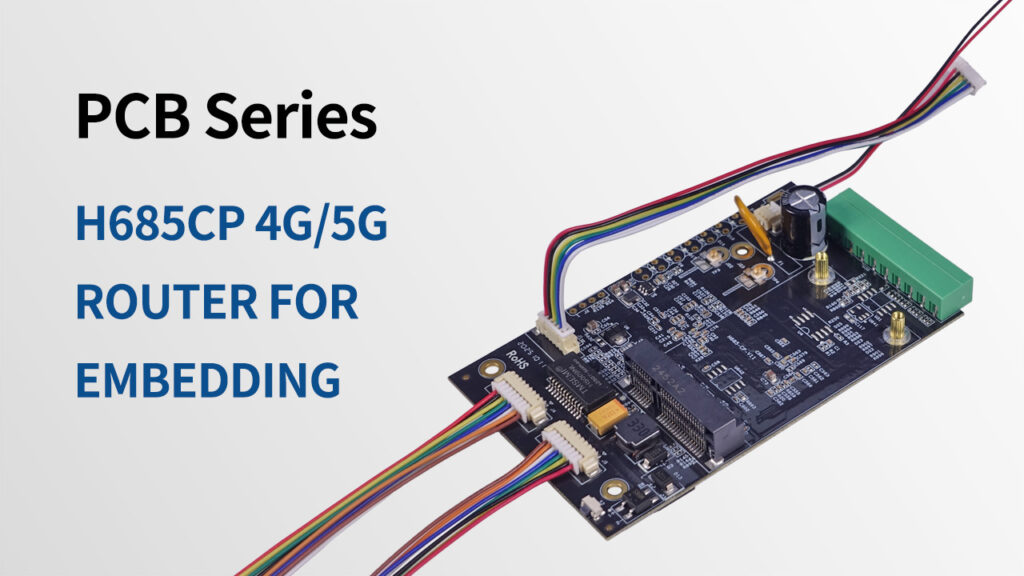
In this blog, we’ve covered everything you need to know about 5G router boards—from their core components and key features to top models, real-world applications, and FAQs. We hope this guide has helped you gain a better understanding of this critical technology and how it can benefit you. As 5G continues to transform the digital landscape, 5G router boards will remain at the forefront, enabling faster, more reliable, and more connected experiences for everyone.
Do you need a reliable 5G router board? You could contact with E-Lins, a IoT expert, providing many excellent 5G router boards.