
Benefits & Applications of Industrial 4G Routers
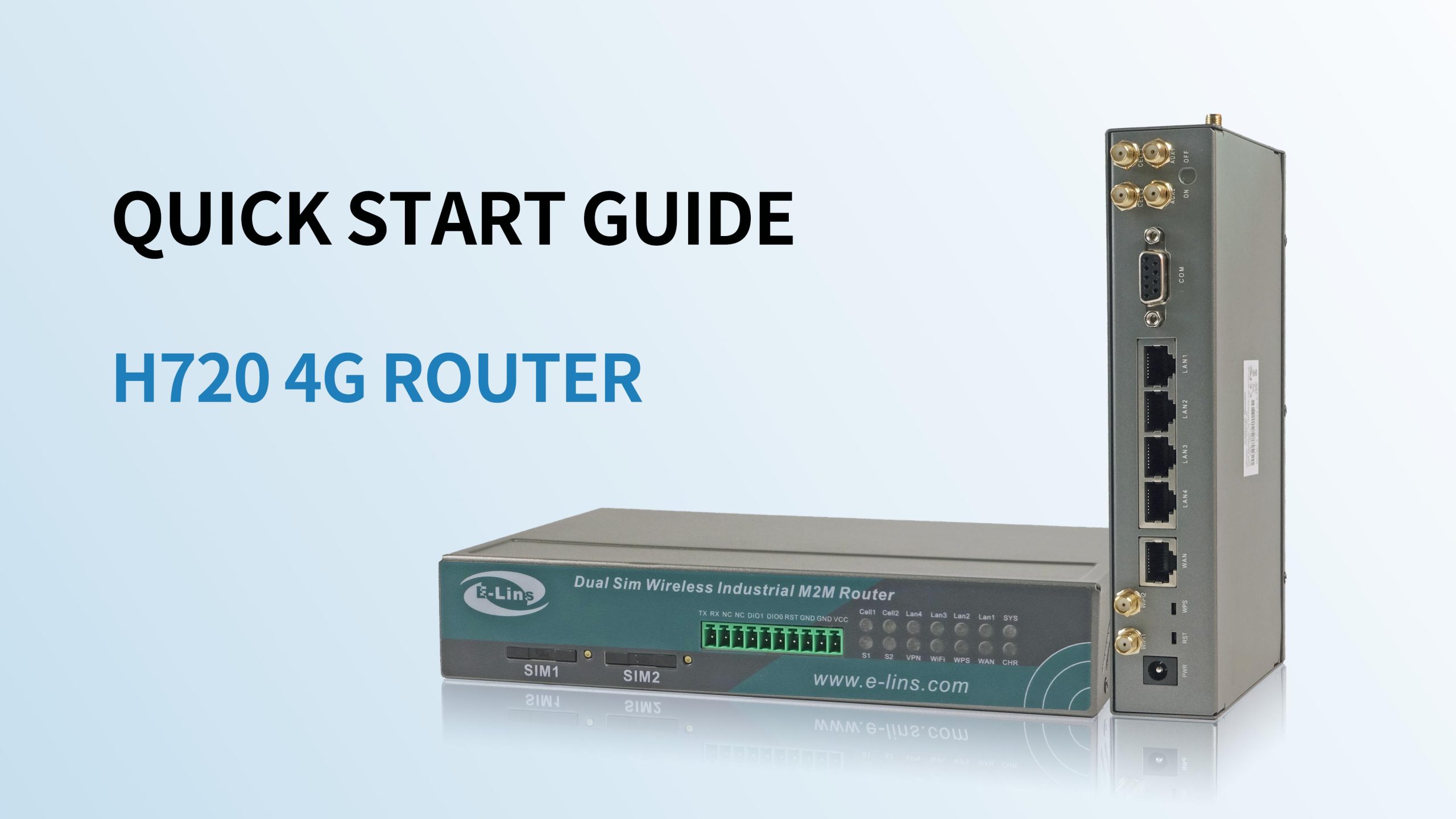
As industries increasingly rely on automation, remote monitoring, and real-time data exchange, the need for reliable and fast connectivity becomes paramount. Whether you’re managing an automated factory, overseeing a fleet of vehicles, or handling remote infrastructure, you need a robust networking solution that ensures continuous communication. This is where an industrial 4G router comes into play.

In this blog, we’ll explore the top benefits of industrial 4G routers, the applications in different industries, and provide you with essential insights into how these devices can elevate your business.
1)What Makes an Industrial 4G Router Different?
An industrial 4G router differs from a regular consumer router primarily in its design and functionality. While consumer routers focus on providing home or office internet connectivity, industrial routers are built to perform in challenging environments. They offer 4G LTE connectivity, making them ideal for industries where high-speed, reliable communication is crucial.
These routers are designed to work in environments with fluctuating temperatures, humidity, vibration, and dust. Moreover, they are packed with advanced features such as failover connectivity, security protocols, and support for a wide range of devices.
The rugged construction and high-performance features make industrial 4G routers perfect for industries that demand continuous, high-speed data transfer and remote access to critical systems.
2)Top Benefits of Using an Industrial 4G Router
1. Faster Data Transfer
One of the most significant benefits of using an industrial 4G router is the high-speed connectivity that it provides. Unlike traditional wired networks, which can suffer from slow speeds and connectivity issues, 4G LTE routers offer lightning-fast internet speeds, ensuring that data transfer happens almost instantly. This feature is crucial for industries where real-time data, such as sensor data or video feeds, is critical for decision-making.
For example, in the manufacturing sector, where machines and robots are interconnected, having fast data transfer speeds ensures that operational information is delivered promptly, enabling better control and predictive maintenance.
2. Reliable Connectivity in Remote Locations
One of the major challenges businesses face is the lack of reliable connectivity in remote areas. Traditional broadband networks may not be available in rural locations, construction sites, or offshore environments. Industrial 4G routers, however, leverage cellular networks, which are widely available, even in isolated regions.
This is particularly beneficial for industries such as oil and gas, mining, and transportation, where operations are often spread out across large geographical areas. By deploying industrial 4G routers, businesses can maintain constant communication with remote assets, vehicles, and workers, ensuring that operations continue smoothly.
3. Increased Operational Efficiency
An industrial 4G router allows businesses to integrate various smart systems, sensors, and devices. This leads to improved automation and remote monitoring, reducing the need for manual interventions and minimizing downtime. Automation systems that use IoT devices, for instance, can continuously communicate with the central control system, enabling predictive maintenance and immediate responses to issues as they arise.
In manufacturing, the integration of industrial 4G routers can significantly optimize processes like inventory management, quality control, and production monitoring. This, in turn, leads to cost savings and increased productivity.
4. Lower Costs in Communication and Maintenance
With the widespread use of cellular networks, industrial 4G routers eliminate the need for expensive landline or dedicated broadband connections. This can lead to substantial savings, especially for companies that operate across multiple sites. Since these routers are easy to set up and often require less maintenance compared to traditional wired systems, they also reduce the overall operational costs.
Moreover, having a single device that handles both communication and network connectivity for multiple systems (such as cameras, sensors, or machinery) reduces the complexity of the network setup and ongoing maintenance costs.
3)Applications of Industrial 4G Routers in Various Sectors
1. Manufacturing and Automation
In smart factories, industrial 4G routers play a pivotal role in connecting machines, sensors, and robots for seamless data exchange. These routers ensure constant communication between devices, helping manufacturers collect data on machine performance, production line efficiency, and inventory levels. With this data, they can make informed decisions, improve production rates, and reduce downtime.
The ability to remotely monitor and control machinery is a significant advantage for manufacturers. Industrial 4G routers enable real-time monitoring of critical equipment, allowing businesses to detect problems early and address them before they result in costly downtime.
2. Transportation and Logistics
The transportation sector is another area where industrial 4G routers have made a huge impact. Fleets of vehicles, whether for delivery, public transit, or logistics, require constant communication for tracking, route optimization, and real-time updates.
By using industrial 4G routers, fleet managers can monitor the location of vehicles, track fuel consumption, and assess driver behavior—all in real-time. Furthermore, the ability to communicate instantly with drivers helps improve operational efficiency, reduce fuel costs, and enhance customer service.
For logistics companies, the ability to remotely monitor and manage their fleet’s performance also ensures that goods are delivered on time and under optimal conditions.
3. Healthcare and Remote Diagnostics
Industrial 4G routers are increasingly being used in the healthcare sector, particularly for telemedicine and remote diagnostics. In rural or remote areas, where healthcare infrastructure may be lacking, these routers provide reliable connectivity for healthcare professionals to monitor patients, transfer medical data, and communicate with specialists.
For instance, remote health monitoring systems use sensors to collect patient data and transmit it in real-time via 4G routers to healthcare facilities. This allows for quicker diagnosis and more timely interventions, improving patient outcomes and reducing the need for in-person visits.
4. Utilities and Energy
Energy companies, particularly those working in oil and gas, wind power, and solar energy, rely on industrial 4G routers to maintain communication with remote facilities and infrastructure. These routers allow energy providers to remotely monitor power generation, control systems, and even predict maintenance needs, ensuring minimal downtime and smooth operation.
Furthermore, smart grids and metering systems can use industrial 4G routers to transmit usage data in real time, enabling utilities to better manage energy distribution and improve overall efficiency.
4)How to Set Up and Optimize Your Industrial 4G Router
1. Installation Process
Setting up an industrial 4G router is typically straightforward, though it does depend on the specific use case. Most industrial routers come with plug-and-play installation, and you only need to connect the device to power and the network to get started. If you’re connecting multiple devices or sensors, it’s important to ensure that the router has sufficient port capacity and network protocols.
For large-scale deployments, such as in smart factories or logistics hubs, professional installation may be required to ensure the router is properly integrated with other equipment and communication systems.
2. Best Practices for Maintenance and Performance Optimization
To ensure your industrial 4G router performs optimally, follow these best practices:
- Regular Firmware Updates: Always keep the router firmware up to date to ensure it has the latest features and security patches.
- Monitor Network Performance: Continuously track the performance of your router and connected devices to spot any potential issues before they cause disruptions.
- Redundant Connections: For mission-critical applications, consider using dual SIM or failover capabilities to ensure uninterrupted connectivity in case of network outages.
5)FAQ
1. How do industrial 4G routers handle network congestion?
Industrial 4G routers are designed to minimize the impact of network congestion. Many routers offer load balancing and traffic prioritization, ensuring that critical data packets are transmitted first, even during peak usage times.
2. What is the expected lifespan of an industrial 4G router?
The lifespan of an industrial 4G router varies depending on the environmental conditions and usage. However, most industrial routers are built to last for several years, especially when properly maintained. It’s common for these devices to last 5–10 years or more.
3. Are industrial 4G routers compatible with other networking equipment?
Yes, industrial 4G routers are generally compatible with other networking equipment. They support standard networking protocols (such as Ethernet, Wi-Fi, and VPNs) and can be integrated with existing IT infrastructure without much hassle.
Conclusion
The industrial 4G router is a game-changer for businesses looking to enhance connectivity, automate operations, and ensure real-time communication across remote or harsh environments. From manufacturing to healthcare to transportation, the benefits of using industrial-grade routers are clear: faster data transfer, reliable remote connectivity, and reduced operational costs.

By investing in the right industrial 4G router, you can contact with E-Lins, a sourcing industrial 4g router manufacturer since 1999.